EasyManua.ls Logo

Saito FG-40 - User Manual

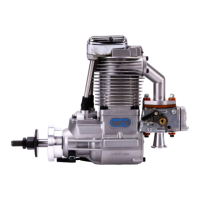
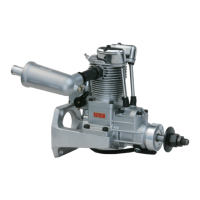
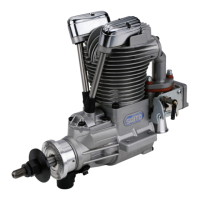
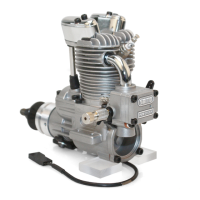
Saito FG-40
2 pages
Print Icon
To Next Page IconTo Next Page
Loading...
SwitchCapacity:3A~
Sensor
Battery
Voltage:6-12V
Capacity:1,000mA〜
Plugcap
(2)Sensorcord
(Black)
(1)Plugcord
Mainunit
(3)BatteryCord
(Red/Black)
(4)Tachometercord
FG-40InstructionManual
Fueltank
FuelLevel
ToOutsideoftheplane
Ventline
fuelsupplytocarburetor
Fuelfillerline
Ventline
Gasoline-compatible
tankstopper
Gasoline-compatibletubing
Filterwithweight
Closeaspossible(within200mm)
Hollowout
oradjustusingthe
mountspacers(option)
Firewall
Enginecenter
Throttlelever
Slowneedle
CCW
torich
CW
tolean
CCW
torich
CW
tolean
Mainneedle
1.Fuel
●Thefuelisamixtureofcommercialregulargasolineandreliableoilfor2-strokeengines.
●[Exampleofoilrecommendation]
KlotzKL-200OriginalTechniplateDeluxeMaterialsPowerModel2T-SENEOSRACINGSPECPRO-2T(SAITOSTANDARD)etc.
Ifsuchoilsarenotavailableinyourcountry,thenpleaseasktheofficialSAITOdistributorinyourcountryforanalternative.
●Besuretousethemixture“gasoline:oil=15~20:1”byvolumeratio.(Ex.1000mlofgasolineshouldbemixedwithmorethan50mlofoil).
●InBreak-inprocess,use15:1mixedfueltoensurethebestlubricationforinitialrun.
●Anydamagecausedbythefuelused,inwhichtheoilratioislowerthan20:1ratio,isnotwarranted.
●Donotusegasolineethanolmixed.Itmaycausenotonlypowerlossbutalsocorrosioninsidetheengine.
Φ40.0mm 32.0mm 40.2cc
19”x10”~21”x8”
・Filterwithweight[G36-154] ・DurabletubeforGasoline(1m)[G36-155] ・Mountspacer[G40-169]
・Aluminumspinnernut[120S-30] ・Tappetadjustingkit[120S-161] ・Digitaltachometer[G17-167]
Bore
Mainbody:1,260g/Muffler:90g/Ignition:100g
Stroke Disp.
Weight(Approx.) Practicalspeed
Approx.1,800-8,000rpm Maxonground Approx.6,500-7,500rpm
Propeller CM-6Plug
Optionalparts
4-strokeglow200classApplications
Batteryforignitionsystem
・Limitgauge(0.1t)fortappetadjustment1pc ・Wrenchfortappetadjustinglocknut1pc ・Carburetoradjustmentbar 1pc
・Sparkplug[CM-6](Attachedtotheengine)1pc ・Mufflerset 1set ・Chokebar 1pc
・Ignitionsystem(w/sensor) 1set ・Plugwrench  1pc ・Enginemountset 1set
・Anti-looseningnut 1pc ・Hexagonalwrench 1set
Specifications
Standard
accessories
Voltage:6-12V,greaterthan1,000mA
※IfyouuseaLi-Po,werecommendthespeclessthan2,500mAcapacityand
 lessthan30Cdischargerate
2.Ignition
●Placethemainunitasfarfromotherelectricaldevicesaspossible.
●PlacethetwoswitchesoftheignitionandtheRCreceiverasfar
fromeachotheraspossible.
(1)Plugcord(meshedhightensioncord)
Insertthecapdeeplyontotheplugtomakesureitwillnotcomeoff.
(2)Sensorcord
Connectwiththecordfromthesensorattachedtotheengine.
(3)Batterycord(black/redcord)
Useafullychargedbatterythathasadequatespec.(6-12V,more
than1000mAisrecommended.).Betweenthebatteryandmainunit,
makesuretoinstallaheavydutyswitchwhosecapacityishigher
than3A.
(4)Tachometercord(optional)
Connectthedigitaltachometer(Option).Otherwisetheconnectorisnormallyvacant.
4.Methodofchoke(Noneedwhenyouusestarter)
※Chokingisthemeansbywhichfuelisfedtotheenginewhenyoustartitbyhandflipping.Thusitisunnecessarywhenusingstarter.
Startingwithaelectricstarterisrecommendedforsafety.
●Inadvance,makeathinholeinthecowlingtoinsertthechokebar/slowneedleadjustmentbar.
●Duringchoking,besuretoturnofftheignitionswitch.
●Asshowninthefig,passthechokebar(withM3.5threadonitstip)throughtheholein
thecowling.ThenturnthebartoinsertintotheM3.5internalthreadatthecenterofthe
throttlelever.
●Fullyclosethethrottleandpullthechokebarandfixitwithacliporclampasshownin
thefigsothatitmaynotgobacktothepreviousposition.
●Graspthepropbyhandandturnitseveraltimesinthedirectionofnormaloperation
(CCW)untilthecarburetorgenerateshissing-likesound.Afterhearingthissoundfor
about5times,quicklyflipthepropapproximately10times.
●Removethechokebar.Thenpowerontheignitionsystemandflipthepropquicklyto
starttheengine.Iftheenginedoesnʼtstart,repeatthechokingprocedure.
3.Propeller
●TheStandardpropisMejzlikD20”xP8”whichbringsapprox.6,900rpm(orFalconD20”xP8”bringsapprox.6,400rpm).
Largersizeorgreaterpitchcancauseenginebrokenduetooverload.
●Useawell-balancedone.Neverusethepropellerthathasbeenscratchedordamagedevenifslightly.
●Asthepropelleriscompressedslightly,tightenthepropellernuteveryhourofoperation.
Cowling
Chokebarforinsert
M3.5screw
Throttlelever
Throttlevalve
(Movetotheleft)
Slowneedle
Chokebar
Temporaryfixed
byaclip
ver.Feb,2021
5.Break-inMOSTIMPORTANT!!
●Prop-recommendation:20”x8”carbonpropforbreak-in.
●Use15:1fuel:oilratioforbreak-in.
●NevermakethefuelmixtureleanduringBreak-in.Itcouldcauseseizureevenduringidlingorlowspeedrunning.
●Beforestartingtheengine,openthemainneedleApprox.3turnsandslowneedleApprox.5turnsopen(CCW)fromfullyclosed.
●Starttheengine(usingastarterisrecommendedforsafety).
●Soonafterstarting,Openthethrottlegraduallyuptofullopen.InthemeantimeturnthemainneedleCCW.Continuetoturnthemain
needleCCWuntiltheRPMdeclines(toapprox.4,000rpm),keepingthethrottlefullyopened.
●IfopeningmainneedledoesnʼtdropRPM,thenopentheslowneedletoo.
●Runinthisveryrichconditionfor1literoffuel.
●Now“initial”break-inisdone.
6.Adjustmentofcarburetorafterinitialbreak-in.
◇Needlereferenceposition(Setafterinitialbreak-in)
●Starttheengineafteradjustingtheneedletothefollowingreferencevalue.
●MainneedleApprox.2~2.5turnsCCWfromfullyclosed
●SlowneedleApprox.4.5~5turnsCCWfromfullyclosed(Thenthrottleshouldbefully
closed)
●Actually,thebestpositionoftheneedlesvarydependingontheprop,temperature,
humidityandsoon.Pleaseadjustasnecessaryafterobservingtheengineperfor-
manceduringflight.
◇Peakadjustment
●Afterstartingtheengine,warmupforapprox.30secondsatlowspeed.
●Achievethepeakatfullthrottle.
→TurnthemainneedleCWgraduallytothepositionwheretheRPMisgreatest(thepeak).ContinuingtoturntheneedleCWpastthe
peakcouldleadtoseizuresoturnitslowlyandcarefully.IftheRPMsuddenlydecreasesafterpassingthepeak,instantlyturnthemain
needleCCWtoagainincreasetheRPM.Otherwiseitcoulddamagetheengineseriously.
●OnceachievingpeakRPM,returnthethrottletolowspeed.Makeanoteofthepositionofmainneedleatthepeakatthattime.
(HowmanyturnsyoudidCWbasedonthereferencevalue.)
◇SlowneedleAdjustment
AfterachievingpeakRPM,nextisslowneedleadjustment.OpenthethrottlefromlowRPMtofullthrottlequickly.
●IftheenginehesitatesforamomentorstallsbeforetheenginereachesmaxRPM,Itʼsbecausethemixtureistoolean.Thenturntheslow
needleCCWslightly.
●IftheengineisslowtoreachpeakRPM(fullthrottleset),itʼsbecausethemixtureistoorich.ThenturntheslowneedleCWslightly.
●AdjusttheslowneedleasaboveuntiltheRPMfollowsthethrottlemovementsmoothly.Theimportantpointistoadjusttheslowneedle
AFTERthemainneedlehasbeenadjustedtoitspeak.
●Nowbreak-inatgroundlevelisdone.Adjusttappetsbythemethoddescribedlater.
◇Pre-flight/Flightadjustment
Whentheslowneedleadjustmentisdone,checktheresponsebyrevvingupfromlowspeedtofullthrottlequicklyseveraltimes.
●OpenthethrottlefullyandturnthemainneedleCCWapprox.60〜90degreesfromthepeakposition.Thisistomakethefuelmixture
richerintheairwheretheRPMgethigherthanontheground.
●Afteralladjustmentsaremade,flyyouraircraftandfinetunetheengineaccordingtothesituation.Basicallytuningshouldbedonewith
themainneedle.Readjustmentoftheslowneedleisrarelyneededifthefirstadjustmentoftheslowneedlehasbeendonesuccessfully.
7.Tappetadjustment
Thevalveclearanceshouldbecheckedandadjustedafterbreak-inandeverytimeaftertwohourswhiletheengineiscold.Beforeadjusting
tappetgaps,tightenupthescrewsaroundcylindersetc.
2.Loosenthelocknutandadjust
thegapbyhexagonalwrench
untilyougetthecorrectgapfor
bothofintake&exhaust.
3.Oncethegapisset,tightenthe
locknutandattachtheplugand
covers.
4.Turnthepropbyhandtocheckifthe
compressionisenough.Ifthegapisless
than0,thevalveisalwaysopened
slightlyandwilllosecompression.Then
adjustagain.
1.Removethesparkplugandrocker
armcoversofthecylinder.Then
turnthepropCCWbyhandto
placethepistonatTDCof
compressionstroke.
CorrectGap
Mustnotbeinserted
Closeto“0”withnolimit
Limitgauge
(0.1mm)
Loosenthelocknut
Adjustthegapturning
thesetscrew
TopDeadCenter
(bothvalvesareclosed)
Tightenthelocknut
tofixthesetscrew
Note:
●Asitusesoil-mixedfuel,theplanemaysometimesgetdirtyfromtheexhaust.
●Useareliableandwell-balancedprop.Otherwiseitmaycauseanabnormalvibrationandcouldresultinaseriousaccident.
●Duringoperation,allenginescrewscanloosenduetometalheatexpansion.Checkandtightenoccasionally.
●Whentheexhaustvalvegetsdullbycarbonorsludgeespeciallyincoldatmosphere,removetherockercoverandapplysomeanti-rust
spraytotheexhaustvalvetohelpthevalvetomovesmoothly.
●Payattentiontothesurroundingssoasnottodisturbothersbynoiseandexhaust.
●Alwayskeepspectatorsbehindtheenginewhenoperatingtheengine.
Question and Answer IconNeed help?

Do you have a question about the Saito FG-40 and is the answer not in the manual?

Summary

Specifications

Fuel System

Ignition System

Propeller

Break-in Procedure

Preparation

Initial steps before starting the engine break-in process.

Engine Speed Adjustment

Adjusting engine speed after initial break-in.

Peak Adjustment

Adjusting the engine to achieve peak performance.

Slow Needle Adjustment

Adjusting the slow speed needle for optimal operation.

High-speed Needle Adjustment

Adjusting the high speed needle for optimal operation.

Adjustment After Initial Break-in

Fine-tuning after the initial break-in period.

Adjustment Procedure

Push Rod and Lock Nut Adjustment

Adjusting the push rod and securing it with the lock nut.

Valve Clearance Adjustment

Adjusting the valve clearance (tappet) for proper engine function.

Linkage Adjustment

Adjusting the control linkages for smooth operation.

Throttle Adjustment

Adjusting the throttle control for desired response.

Mixture Adjustment

Adjusting the fuel-air mixture for optimal combustion.

Idle Speed Adjustment

Setting the engine's idle speed to the correct RPM.

Ignition Timing Adjustment

Adjusting the ignition timing for performance and efficiency.

Tappet Adjustment Details

Loosen Lock Nut and Tappet Screw

Procedure to loosen the lock nut and tappet screw.

Tighten Lock Nut

Procedure to tighten the lock nut.

Tighten Lock Nut and Tappet Screw

Procedure to tighten both the lock nut and tappet screw.

Adjust Tappet

Final adjustment of the tappet.

Overview

This document provides a comprehensive guide for the FG-40 aircraft engine, covering its functions, usage, maintenance, and troubleshooting.

Function Description

The FG-40 is a four-stroke gasoline engine designed for model aircraft. It operates by converting the chemical energy of gasoline into mechanical energy to power the propeller. The engine features a carburetor for fuel-air mixture control, an ignition system for combustion, and a lubrication system to ensure smooth operation of internal components. It is equipped with a cam gear, rocker arm, and various bearings to facilitate precise movement and durability. The engine also includes a muffler manifold set to manage exhaust gases.

Usage Features

Fuel: The engine requires a mixture of commercial regular gasoline and reliable oil for 2-stroke engines. It is crucial to use the specified mixture ratio (1:20 to 1:25) to prevent damage. Using an incorrect mixture, especially one with insufficient oil, can lead to severe engine damage. It is recommended to use a fuel filter line to prevent foreign particles from entering the carburetor.

Ignition: The FG-40 utilizes an electronic ignition system. The ignition unit should be mounted as far as possible from other electrical devices to prevent interference. The two switches of the ignition unit and the RC receiver should be placed as far from each other as possible. The battery cord should be connected securely to the ignition unit. The sensor cord from the crankshaft should be attached to the engine. The spark plug cap should be securely attached to the spark plug. If the engine fails to start, check the spark plug for proper connection.

Propeller: The engine is designed to operate with a specific range of propellers. Using a propeller that is too large or too small can lead to engine damage. It is important to use a well-balanced propeller to avoid excessive vibration, which can damage the crankshaft and other components.

Method of Choke/No need when you use starter: This section describes the starting procedure for the engine. When starting a cold engine, it is recommended to use the choke. The choke lever should be moved to the full choke position. Pull the propeller several times until fuel is drawn into the carburetor. Then, move the choke lever to the half choke position and pull the propeller again. Once the engine starts, move the choke lever to the run position. If the engine fails to start, repeat the choking procedure.

Break-in Most Important!!: Proper break-in is crucial for engine longevity. Before starting the engine, ensure the main needle is set to 3 turns open from full closed. The slow needle should be set to 1.5 turns open from full closed. After starting the engine, allow it to idle for 2-3 minutes. Then, gradually open the throttle to full open. During the break-in period, the engine should not be run at full throttle for extended periods. The main needle should be adjusted to achieve a rich mixture during break-in. It is recommended to run the engine with a rich mixture for 1 hour.

Adjustment of carburetor after initial break-in: After the initial break-in, the main needle and slow needle should be adjusted for optimal performance. The main needle should be adjusted to achieve the highest RPM at full throttle. The slow needle should be adjusted to achieve a smooth idle and quick acceleration. It is important to make small adjustments and observe the engine's response.

Peak adjustment: After the engine warms up, adjust the main needle to achieve the highest RPM at full throttle. Then, turn the main needle counter-clockwise until the RPM drops slightly. This ensures a rich mixture for safe operation.

Slow needle adjustment: After adjusting the main needle, adjust the slow needle to achieve a smooth idle and quick acceleration. If the engine bogs down when accelerating, the slow needle is too rich. If the engine hesitates, the slow needle is too lean.

Tappet adjustment: The tappet clearance should be checked and adjusted after break-in and every time after 100 hours while the engine is being used. Adjusting the tappet gaps ensures proper valve operation.

Maintenance Features

General Maintenance: Regular maintenance is essential for the longevity and reliable operation of the FG-40 engine. This includes checking and adjusting tappet gaps, inspecting the spark plug, and ensuring all fasteners are tight.

Cleaning: Keep the engine clean to prevent dirt and debris from entering the internal components. Regularly clean the exterior of the engine and the carburetor.

Lubrication: The engine relies on the oil mixed with gasoline for lubrication. Ensure the correct oil mixture ratio is always used.

Storage: When storing the engine for an extended period, drain all fuel from the tank and carburetor. Apply after-run oil to the engine's internal components to prevent corrosion.

Troubleshooting: If the engine exhibits unusual behavior, such as excessive noise, vibration, or reduced performance, consult the manual for troubleshooting steps. Common issues include incorrect fuel mixture, loose connections, or worn components.

Warranty: The manufacturer provides a warranty for the engine. However, the warranty may be voided if the engine is modified, improperly maintained, or used outside of its intended purpose. It is crucial to follow the instructions in the manual to ensure warranty coverage.

Exhaust: Pay attention not to touch the rotating propeller when starting engine, and move to rear side of the aircraft once the engine is started. All responsibilities for the use of the engine, and other obligations and responsibilities based on laws, regulations, etc. are borne by the user. We are not liable for any accident or injury caused by use of this engine, any damage, or loss.

Saito FG-40 Specifications

General IconGeneral
Fuel TypeGasoline
Ignition SystemElectronic Ignition
CoolingAir-cooled
Engine Type4-stroke
LubricationOil Mixture
RPM Range1, 800 - 7, 500

Related product manuals