
 Need help?
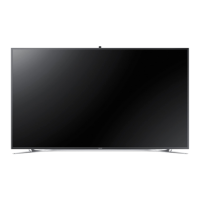
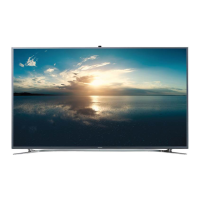
Do you have a question about the Samsung UN65F9000AF and is the answer not in the manual?
How to access and navigate the electronic manual.
Methods for scrolling through pages in the e-Manual.
Explanation of icons used for navigation in the e-Manual.
How to return to the main menu of the e-Manual.
Using the index to find specific topics within the e-Manual.
Searching for specific pages by keywords within the e-Manual.
Steps to close or exit the electronic manual.
Navigating directly to specific menu items within the e-Manual.
How to update the electronic manual to the latest version.
Connecting the TV to an antenna for signal reception.
Connecting external video sources like Blu-ray players or game consoles.
Connecting devices using HDMI cables for high-quality video and audio.
Connecting devices using component video and audio cables.
Connecting devices using standard AV (composite) cables.
Connecting external audio devices to the TV.
Connecting audio devices using an optical digital audio cable.
Connecting audio output from the TV to external devices.
Using the ARC feature for audio return via HDMI.
Connecting a computer to the TV for display.
Connecting a computer using an HDMI to DVI cable.
Connecting smartphones to the TV using MHL or other methods.
Switching between different connected video input sources.
Managing TV channels, including automatic tuning and editing.
Organizing and managing TV channels, including deleting and renaming.
Creating and managing lists of favorite TV channels.
Connecting the TV to a wired network (LAN).
Connecting the TV to a wireless network (Wi-Fi).
Steps for setting up a wired network connection.
Steps for setting up a wireless network connection.
Manually configuring wireless network settings.
Using WPS for easy Wi-Fi setup.
Troubleshooting common wireless connection errors.
Checking the current network and internet connection status.
Connecting mobile devices to the TV.
Using Wi-Fi Direct for direct device connection.
Setting up AllShare for media sharing.
Assigning a custom name to the TV for network identification.
Using the Smart Touch Control remote.
How to insert batteries into the Smart Touch Control.
Pairing the Smart Touch Control with the TV via Bluetooth.
Reconnecting the Smart Touch Control if it loses connection.
Notification for low battery levels in the Smart Touch Control.
Explains the functions of buttons on the Smart Touch Control.
Special functions accessed by holding Smart Touch Control buttons.
How to use the touch panel for navigation and selection.
Performing drag operations on the touch panel.
Performing tap/click operations on the touch panel.
Scrolling through content using the touch panel.
Performing long-press actions on the touch panel.
Combining tap and drag actions on the touch panel.
Vertical scrolling using the touch panel.
Horizontal scrolling using the touch panel.
Changing channels by directly entering their numbers via touch panel.
Correct sequences for entering channel numbers via touch panel.
Adjusting the sensitivity of the touch panel.
Displaying status and notification banners on the screen.
Accessing personalized content recommendations.
Viewing recently watched channels, media, and apps.
Clearing viewing history data.
Searching for content across the TV and web.
Adjusting search scope and parameters.
Using the virtual remote control on the TV screen.
Switching between different virtual remote panels.
Adjusting the position of the virtual remote control display.
Using the numeric keypad in the virtual remote.
Using playback controls in the virtual remote.
Accessing quick function buttons in the virtual remote.
Resizing and adjusting the virtual remote display.
Setting up the TV remote to control other devices.
Connecting an IR extender for universal remote control.
Adding external devices for universal remote control setup.
Using the TV remote as a universal remote.
Managing registered external devices for universal remote control.
Inputting text using the on-screen keyboard.
Using the QWERTY keyboard layout for text input.
Additional text input features like language and predictive text.
Using voice, gesture, and facial recognition for TV control.
Safety and usage guidelines for SMART interaction features.
Using facial recognition for login and personalization.
Guidelines and precautions for using the TV's built-in camera.
Controlling the TV using hand gestures.
Using voice commands to control the TV.
Testing the environment for optimal voice recognition performance.
Enabling and activating voice recognition features.
Learning how to use voice commands effectively.
Basic voice commands for TV operation.
Customizing voice recognition settings like language and keywords.
Advanced voice commands for specific tasks and queries.
Steps to disable voice recognition functionality.
Optimal conditions and setup for gesture control.
Testing the environment for accurate gesture recognition.
Learning how to use gesture controls.
Enabling and activating gesture control features.
Basic hand gestures for TV control.
Adjusting gesture control settings like pointer speed.
On-screen interface for gesture control during TV viewing.
On-screen interface for gesture control within Smart Hub.
Restoring hidden gesture control icons on the screen.
Optimal conditions for facial recognition accuracy.
Registering a user's face for recognition.
Registering face for Smart Hub login via facial recognition.
Logging into Smart Hub using facial recognition.
Connecting USB or Bluetooth keyboards for easier text input.
Using keyboard keys to control TV functions.
Connecting USB or Bluetooth mice for navigation.
Using mouse buttons and scroll wheel for TV control.
Basic TV viewing functions and information display.
Accessing detailed information about current TV programs.
Selecting the TV signal source (Antenna, Cable).
Accessing the TV program guide.
Selecting channels from the program guide.
Filtering channels by category in the program guide.
Quickly navigating through the program schedule.
Setting up program reminders or schedules.
Checking detailed information for selected TV programs.
Viewing and managing the list of available TV channels.
Selecting channels from the channel list.
Filtering channels by genre.
Switching between Air and Cable signal sources.
Switching between different channel lists (e.g., Favorites).
Configuring scheduled viewing for digital channels.
Accessing the program guide for channel information.
Displaying details about current or upcoming programs.
Setting up scheduled viewing for analog channels.
Removing a previously set program schedule.
Modifying existing scheduled program entries.
Health and safety warnings for 3D viewing.
Limitations and restrictions when using 3D features.
Tips for optimal 3D viewing experience.
Selecting and activating different 3D viewing modes.
Adjusting 3D image settings like depth and perspective.
Enabling and configuring Picture-in-Picture mode.
Fine-tuning analog TV channels for better picture quality.
Audio settings for digital TV broadcasts.
Audio settings for analog TV broadcasts.
Managing subtitles for digital and analog broadcasts.
Enabling or disabling subtitle display.
Customizing subtitle appearance and settings.
Adjusting subtitle font, color, and background settings.
Selecting optimal picture modes for different viewing conditions.
Explains the available picture modes like Dynamic, Normal, etc.
Adjusting image settings like backlight, contrast, and brightness.
Copying current image settings to other inputs.
Adjusting the aspect ratio of the displayed image.
Adjusting the position of the image on the screen.
Turning off the screen while keeping audio on.
Resetting all image settings to default values.
Fine-tuning advanced image parameters.
Automatically adjusting screen contrast for optimal viewing.
Adjusting the depth of black color for better contrast.
Adjusting red tones for realistic skin colors.
Individually adjusting red, green, and blue color levels.
Adjusting the range of colors displayed on screen.
Adjusting color temperature for natural white balance.
Fine-tuning white balance with 10-point adjustments.
Adjusting the intensity of primary colors.
Displaying calibration patterns for image tuning.
Adjusting brightness based on screen movement to save energy.
Fine-tuning image quality with various options.
Adjusting the color tone for individual picture modes.
Reducing static and ghosting on weak signals.
Reducing MPEG noise for better video quality.
Reducing image retention with HDMI connections.
Optimizing image quality for movie playback.
Reducing blur and judder in fast-moving scenes.
Adjusting black color depth for improved image depth.
Reducing motion blur and vibration for smoother images.
Controlling local screen brightness for better contrast.
Darkening image edges for a more immersive viewing experience.
Selecting different sound modes for optimal audio output.
Boosting high-frequency sounds for clearer audio.
Applying sound effects like Virtual Surround and Dialog Clarity.
Adjusting speaker balance and frequency response.
Automatically adjusting volume levels across channels.
Optimizing sound based on TV installation type (wall or stand).
Resetting all sound settings to factory defaults.
Calibrating sound based on user's hearing and environment.
Creating custom sound profiles through a guided test.
Editing existing custom sound profiles.
Renaming or deleting custom sound profiles.
Enabling 3D audio effects for immersive sound.
Configuring speaker output and adjusting for external systems.
Choosing which speakers to use (TV, external, or both).
Configuring digital audio output formats (SPDIF).
Selecting the digital audio output format.
Adjusting audio delay to sync with video.
Connecting Samsung audio devices via Bluetooth/SoundShare.
Adding new Samsung audio devices for connection.
Managing paired Samsung audio devices.
Setting the TV's clock manually or automatically.
Automatically setting the clock from digital broadcast signals.
Configuring Daylight Saving Time settings.
Selecting the correct time zone for accurate clock display.
Adjusting time offsets for accurate timekeeping.
Manually setting the clock and date.
Setting the TV to turn off automatically after a set time.
Setting the TV to turn on automatically at a scheduled time.
Setting the TV to turn off automatically at a scheduled time.
Energy-saving features to reduce power consumption and prevent overheating.
Adjusting screen brightness to reduce energy usage.
Automatically adjusting brightness based on ambient light.
Automatically turning off the TV if no signal is detected.
Automatically turning off the TV after a period of inactivity.
Preventing screen burn-in with screen saver features.
Slightly shifting pixels to prevent screen image retention.
Adjusting pixel shift horizontally.
Adjusting pixel shift vertically.
Setting the duration before pixel shifting activates.
Activating a screen saver to prevent image retention.
Eliminating ghost images by illuminating all pixels.
Setting the color for sidebars in 4:3 aspect ratio.
Activating screen saver for static images to prevent burn-in.
Changing the TV's PIN or password for security.
Selecting the preferred language for the TV menu interface.
Optimizing TV settings for playing video games.
Important precautions and limitations for using Game Mode.
Optimizing picture quality when connecting Samsung devices via HDMI.
Adjusting the transparency of the on-screen menu.
Adjusting or disabling sound feedback for menu actions.
Locking or unlocking the TV's physical control panel.
Enabling or disabling the startup logo display.
Turning the LED indicator light on or off.
Registering the product to play protected DivX videos.
Reviewing and accepting terms and conditions for Smart Hub.
Managing your Samsung account for Smart Hub services.
Steps to create a new Samsung account.
Creating a Samsung account using Facebook login.
Reviewing terms and privacy policy for Samsung accounts.
Logging into Smart Hub using your Samsung account credentials.
Linking your Samsung account to other services like Facebook.
Managing your Samsung account details and linked services.
Editing basic user information and payment details.
Removing Samsung account information from the TV.
Resetting Smart Hub to its default settings, removing accounts.
Searching for apps and content on the TV and web.
Performing keyword searches for apps and content.
Adjusting search scope and parameters.
Viewing system status and notifications.
Displaying status and notification banners on the screen.
Enabling/disabling voice and gesture control features.
Managing your Samsung account settings via notification banner.
Accessing network settings from the notification banner.
Viewing and managing notification messages.
Accessing social media platforms and friend interactions.
Setting up and managing social media connections.
Ensuring social apps are installed before use.
Linking social media accounts to your Samsung account.
Browsing and watching videos from social platforms.
Viewing friend profiles and their activities.
Initiating video calls with friends through Skype.
Filtering and sorting lists of friends or content.
Accessing and managing TV applications.
Automatic installation of basic TV applications.
Launching installed applications on the TV.
Browsing and downloading apps from the Samsung Apps store.
Finding specific applications by name.
Downloading and installing applications from Samsung Apps.
Managing installed applications, including editing and deleting.
Customizing the layout and order of your apps.
Rearranging the order of applications on the screen.
Removing unwanted applications from the TV.
Adding apps from "More Apps" to the main "My Apps" list.
Deleting installed applications and their data.
Creating and managing folders for organizing applications.
Locking or unlocking applications to prevent access.
Updating installed applications to the latest version.
Enabling automatic application updates.
Using the Fitness app for exercise and health tracking.
Setting up a user profile for the Fitness app.
Accessing kid-friendly apps and content.
Browsing the internet using the TV's web browser.
Sharing comments and interacting on social media platforms.
Linking social media accounts to your Samsung account.
Configuring installed applications and their settings.
Automatically displaying selected ticker information.
Enabling or disabling push notifications from apps.
Using apps linked to specific TV channels.
Viewing app version, TV serial number, and memory details.
Viewing recommended programs and broadcast schedules.
Customizing the program guide and recommendations.
Configuring broadcast sources and TV stations.
Receiving notifications for popular programs.
Automatically starting the TV guide on startup.
Setting preferences for program recommendations.
Blocking adult content from appearing in program listings.
Selecting and viewing recommended programs.
Viewing details about scheduled recommended programs.
Accessing the TV program guide.
Viewing program recommendations based on time of day.
Browsing and purchasing VOD movies and TV shows.
Options for finding and acquiring movies and TV shows.
Playing purchased movies and TV shows.
Setting up parental controls for VOD content.
Blocking VOD content based on its rating.
Accessing and playing media files from external storage.
Limitations and compatibility notes for USB devices.
List of supported file formats for photos, music, and videos.
Connecting USB storage devices to the TV.
Safely removing USB storage devices.
Playing all media files from a connected storage device.
Clearing the list of recently played media.
Accessing media files from network-connected storage devices.
Allowing DLNA devices to connect to the TV.
Facilitating media sharing across DLNA-compatible devices.
Transferring media files to different storage destinations.
Playing video files on the TV.
Changing how video files are displayed.
Creating custom playlists for video playback.
Selecting and playing different video files.
Navigating and browsing video content.
Displaying subtitles for video content.
Advanced video playback settings like repeat and screen size.
Playing music files on the TV.
Changing how music files are displayed.
Creating custom playlists for music playback.
Navigating and browsing music content.
Selecting and playing different music files.
Playing music in the background during slideshows.
Controlling background music playback.
Advanced settings for photo slideshows and playback.
Viewing and managing photo files on the TV.
Changing how photo files are displayed.
Viewing photos as a slideshow.
Adjusting slideshow settings like speed and effects.
Creating custom playlists for photo slideshows.
Important safety and usage notes for Anynet+ (HDMI-CEC).
Enabling or disabling Anynet+ (HDMI-CEC) features.
Turning Anynet+ (HDMI-CEC) on or off.
Automatically turning off connected Anynet+ devices with the TV.
Operating connected external devices using the TV remote.
Switching control between different Anynet+ devices.
Accessing menus of connected Anynet+ devices.
Using Audio Return Channel (ARC) for audio output.
Displaying mobile device screens on the TV wirelessly.
Connecting mobile devices via MHL for screen mirroring and charging.
Step-by-step instructions for using MHL connections.
Requirements and limitations for MHL and Screen Mirroring.
Wireless screen mirroring from mobile devices.
Connecting mobile devices for screen mirroring via Screen Mirroring.
Allowing remote diagnostics and support from Samsung.
Explanation of Samsung's remote technical support service.
Step-by-step guide on how remote support works.
Accessing the built-in electronic manual for troubleshooting.
Performing self-diagnostics for TV issues.
Testing the picture quality for defects.
Testing audio output for sound problems.
Checking environmental conditions for voice and motion control.
Displaying signal information for digital channels.
Resetting TV settings to factory defaults.
Checking for and installing software updates.
Updating the TV's software via an internet connection.
Updating software using a USB flash drive.
Enabling automatic software updates during standby.
Scheduling software updates during standby mode.
Selecting the TV's usage mode (e.g., Retail Demo or Home Use).
Finding support information and product guides.
Using a Kensington lock for physical security.
Configuring PC display resolution for optimal TV output.
Supported IBM display resolutions and timings.
Supported MAC display resolutions and timings.
Supported VESA DMT display resolutions and timings.
Mapping input signals to available image size options.
Supported resolutions for 3D viewing via HDMI.
Supported 3D resolutions and frequencies over HDMI.
Supported resolutions and frequencies for component input.
Supported resolutions and frequencies for digital channels.
Reference to supported file formats for media playback.
Optimal PC connection settings via HDMI for 2D/3D display.
Supported subtitle and media file formats and codecs.
Details on external and internal subtitle file formats.
List of supported image file extensions and resolutions.
List of supported music file formats and codecs.
Supported video codecs, containers, resolutions, and bitrates.
Notes on codec compatibility and playback issues.
Specific video codec capabilities and limitations.
Specific audio codec capabilities and limitations.
Important safety instructions for viewing 3D content.
Guidelines for safe and optimal 3D viewing.
General safety warnings and precautions for using 3D products.
General safety guidelines for product usage and maintenance.
Troubleshooting common screen display issues.
Solutions for issues related to powering on the TV.
Troubleshooting problems with channel reception.
Improving picture quality to match store displays.
Resolving issues with distorted or unclear images.
Troubleshooting color display problems.
Adjusting brightness and color settings for better picture quality.
Resolving issues with screen lines or artifacts.
Troubleshooting black and white display issues.
Troubleshooting common sound issues.
Solutions for no sound or low volume problems.
Troubleshooting sound issues when video is fine.
Resolving issues with strange noises from the TV speakers.
Troubleshooting common problems with 3D viewing.
Solutions for malfunctioning 3D glasses.
Improving 3D image quality and viewing experience.
Tips for extending 3D glasses battery life.
Troubleshooting antenna and cable connection issues.
Resolving problems with missing TV channels.
Troubleshooting subtitle display for digital channels.
Resolving distorted images related to antenna/cable connections.
Troubleshooting PC connection issues.
Resolving "mode not compatible" messages from PC connections.
Troubleshooting sound issues when connecting a PC via HDMI/DVI.
Troubleshooting network connection problems.
Resolving wireless network connection failures.
Troubleshooting software update failures over the network.
General troubleshooting for miscellaneous TV issues.
Addressing concerns about the TV becoming hot during operation.
Resolving issues with images not filling the screen.
Resolving "mode not compatible" messages for external devices.
Troubleshooting disabled subtitle menu options.
Addressing concerns about plastic odor from the TV.
Troubleshooting inactive signal information in diagnostics.
Correcting TV tilt or alignment issues.
Troubleshooting issues with broadcast channels appearing grayed out.
Resolving settings loss after power cycles or demo mode.
Troubleshooting intermittent audio or video loss.
Addressing cosmetic design features on the TV bezel.
Troubleshooting unavailability of the PIP feature.
Managing pop-up advertisements or banners on the screen.
Addressing unusual popping sounds from the TV casing.
Addressing normal operational humming sounds from the TV.
Resolving screen image retention or burn-in issues on PDP TVs.
Troubleshooting common Anynet+ (HDMI-CEC) operational failures.
Steps to start or activate Anynet+ functionality.
Steps to exit or disable Anynet+ control.
Understanding connection status messages for Anynet+ devices.
Troubleshooting issues where Anynet+ devices are not playing content.
Resolving issues where connected Anynet+ devices are not recognized.
Troubleshooting sound output issues with receivers via Anynet+ or ARC.
General troubleshooting for application issues.
Changing the language of application content.
Troubleshooting application service connectivity problems.
Troubleshooting issues with media playback applications.
Resolving problems with playing certain media files.
Resetting personal information and TV settings.
Resetting all TV settings to factory defaults.
Resetting Smart Hub data, accounts, and settings.
Accessing the TV's built-in web browser.
Notes on Java app compatibility in the web browser.
Information about file download limitations in the web browser.
Notes on website access limitations in the web browser.
Information on Flash video playback restrictions.
Notes on e-commerce limitations in the web browser.
Potential issues with scrolling in certain websites.
Notes on ActiveX support limitations.
Options unavailable in link navigation mode.
Limits on font support in the web browser.
Potential delays in remote commands and screen display during web page loading.
Potential delays or suspension of web page loading.
Notes on copy-paste functionality limitations.
Limitations on font size and color selection in text input.
Limits on saving bookmarks and log file sizes.
Limits on simultaneous window usage based on search conditions and TV model.
Factors affecting internet browsing speed.
Video playback disabling PIP mode automatically.
Supported audio file format for web browser.
Supported format for importing/exporting browser bookmarks.
Folder structure not included when importing/exporting bookmarks.
Exporting bookmarks to a USB drive saves them in a specific folder.
Navigation history not saved if Clock is not set.
How navigation history is stored and overwritten.
Potential playback issues with Flash content due to codec support.
Sudden brightness changes affecting screen brightness on PDP TVs.
Potential playback issues with PC-optimized streaming services.
QWERTY keyboard use disabling PIP mode, except for URL input.
 General
| Screen Size | 65 inches |
|---|---|
| Display Technology | LED |
| Smart TV | Yes |
| HDR | Yes |
| Audio Power | 40W |
| HDMI Ports | 4 |
| USB Ports | 3 |
| Wi-Fi | Yes |
| Ethernet Port | Yes |
| 3D | Yes |
| Operating System | Samsung Smart TV |
| Refresh Rate (CMR) | 1200 |
| Bluetooth | No |
| Resolution | 3840 x 2160 |
| Refresh Rate | 240Hz (CMR) |



 To Next Page