Need help?
Do you have a question about the SCOTT 4.5 and is the answer not in the manual?
Provides an overview of the SCBA's intended use and design for respiratory protection in hazardous atmospheres.
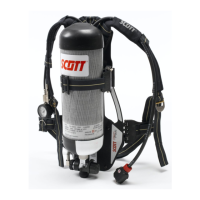
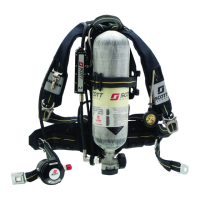
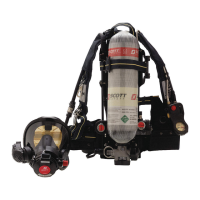
Details the key parts of the SCOTT AIR-PAK X3 SNAP-CHANGE SCBA, including backframe, cylinder, and regulator.
Outlines the distinct features and specifications for the Model 2.2, 4.5, and 5.5 SCBA units.
Covers NIOSH, NFPA, and CBRN compliance standards and requirements for the SCBA.
Explains how service life duration is determined and factors affecting it, like user activity and cylinder pressure.
Details intrinsic safety listings and precautions for use in hazardous locations, especially regarding batteries.
Lists critical safety warnings, usage restrictions, and limitations for the SCBA, including CBRN applications.
Covers the mandatory process of selecting and verifying facepiece size and seal using quantitative fit tests.
Step-by-step guide on how to properly put on the AV-3000 HT facepiece, ensuring a secure fit.
Addresses common issues encountered during facepiece donning and how to correct them for a proper seal.
Details the procedures for daily and periodic inspections to ensure the respirator is safe and functional.
Specific checks for the breathing regulator, including its seals, purge valve, and quick disconnects.
Outlines the steps for testing alarms, seals, and air flow functionality before using the respirator.
Explains the function and indicators of the HEADS-UP DISPLAY for monitoring air supply and battery status.
Basic steps for wearing, donning, and preparing the SCBA for use, including preparation for entry.
Guides the user through the initial steps of activating the respirator, checking alarms, and confirming air supply.
Procedures for safely doffing the facepiece and terminating respirator use in a safe area.
Instructions for using the Rapid Intervention Crew/Company Universal Air Connection for emergency air replenishment.
Specific precautions and procedures for using the respirator in temperatures at or below freezing.
Outlines emergency procedures for specific malfunctions like loss of air supply or blocked airflow.
Step-by-step guide for replacing the breathing air cylinder, including user and assisted methods.
Instructions for cleaning the respirator components and proper storage to maintain integrity and function.
Procedures for replacing batteries in the Heads-Up Display and PAK-ALERT distress alarm systems.
Recommends inspections and testing by a SCOTT Authorized Service Center for optimal performance.
Guidelines on applying user identification markings without obscuring essential labels or compromising function.
Outlines the limited warranty terms, coverage, and conditions for SCOTT AIR-PAK SCBA products.
 General
| Brand | SCOTT |
|---|---|
| Model | 4.5 |
| Category | Diving Instrument |
| Language | English |


 To Next Page