EasyManua.ls Logo

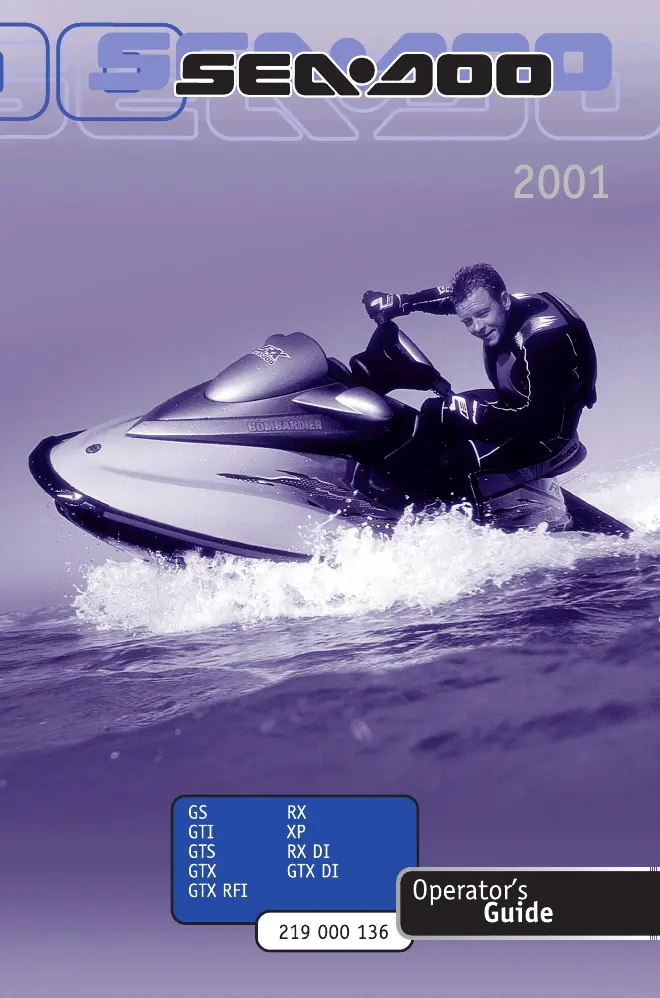
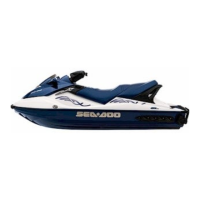
Sea-doo 2001 GS - User Manual

Sea-doo 2001 GS
124 pages
Print Icon
To Next Page IconTo Next Page
Loading...
www.SeaDooManuals.net

Table of Contents

Questions and Answers

  • R
    Robert GlennAug 20, 2025
    Why Sea-doo Boat engine does not turn over?
    • J
      Jennifer WillisAug 20, 2025
      The Sea-doo Boat engine might not turn over because the safety lanyard is removed, a fuse is burnt, the battery is discharged, connections are corroded or loose, the engine is water-flooded, there's a faulty sensor or MPEM, the engine is seized, or the jet pump is seized. Install the cap over the post. Check the wiring and replace the fuse(s).
  • N
    Nicholas HillAug 22, 2025
    What to do if Sea-doo Boat can not reach top speed?
    • R
      Robert MillsAug 22, 2025
      If your Sea-doo Boat can't reach top speed, it could be due to a clogged jet pump water intake, a damaged impeller, a safety lanyard that limits speed, or the monitoring system putting the watercraft in limp home mode. Clean the jet pump water intake and check for damage. Replace a damaged impeller. Use a safety lanyard that allows reaching the top speed. Release the throttle so that the engine returns to idle speed.
  • S
    Spencer WestAug 25, 2025
    What to do if Sea-doo Boat engine turns normally?
    • P
      parkeremilyAug 25, 2025
      If the Sea-doo Boat engine turns normally but doesn't start, the fuel tank valve might be closed, the fuel tank could be empty or water-contaminated, the fuel filter might be clogged, the spark plugs could be fouled, the choke might be misused, the engine could be fuel-flooded, there could be a faulty component in the fuel injection system, a burnt fuel pump fuse, or an electrical problem. Turn the fuel tank valve to the ON position. Refill the fuel tank, siphoning out any old fuel and replacing it with fresh fuel. Clean the fuel filter and check the tank for water. Replace the spark plugs.
  • G
    Gregory MorenoAug 26, 2025
    What to do if Sea-doo Boat engine turns slowly?
    • K
      Kelsey BanksAug 27, 2025
      If the Sea-doo Boat engine turns slowly, it might be due to loose battery cable connections, a discharged or weak battery, or a worn starter. Check, clean, and tighten the battery cable connections.
  • J
    Justin RobinsonAug 28, 2025
    Why Sea-doo Boat monitoring beeper sounds continuously?
    • P
      Patrick ParkAug 28, 2025
      The Sea-doo Boat monitoring beeper may sound continuously due to a clogged jet pump water intake or a clogged coolant system. Clean the jet pump water intake. Flush the cooling system.
  • X
    xwilliamsAug 29, 2025
    What to do if Sea-doo Boat has lean fuel mixture?
    • L
      Lawrence GregoryAug 30, 2025
      If your Sea-doo Boat has a lean fuel mixture, it could be due to low, stale, or water-contaminated fuel; a clogged fuel filter; a partially open fuel tank valve; or clogged injectors. Siphon and/or refill the fuel tank. Turn the fuel tank valve to the ON position.
  • K
    Kevin BrownAug 31, 2025
    What to do if Sea-doo Boat engine lacks acceleration or power?
    • S
      Susan GonzalezAug 31, 2025
      If your Sea-doo Boat engine lacks acceleration or power, this could be due to weak spark or water in the fuel or injection oil. Siphon and replace the fuel or injection oil.
  • R
    Robert BradleySep 2, 2025
    What to do if Sea-doo Boat has rich fuel mixture (high fuel consumption)?
    • H
      hughesdanielSep 2, 2025
      If your Sea-doo Boat has a rich fuel mixture, it might be due to a dirty or clogged flame arrester or a partially closed choke. Clean or replace the flame arrester.
  • R
    Ryan SmithSep 4, 2025
    Why Sea-doo Boat engine cannot run above idle speed?
    • E
      Emily ReedSep 4, 2025
      The Sea-doo Boat engine may not run above idle speed because the monitoring system put the watercraft in limp home mode due to a component malfunction. Try removing and reinstalling the safety lanyard on its post.
  • K
    Kevin FlemingSep 6, 2025
    What causes abnormal noise from Sea-doo Boat propulsion system?
    • J
      Jeremiah VasquezSep 6, 2025
      Abnormal noise from the Sea-doo Boat propulsion system can be caused by weeds or debris jammed around the impeller, or a damaged impeller shaft or drive shaft. Clean and check for damage.

Summary

Foreword

Safety Measures

General Safety Rules

Fundamental rules and precautions for all watercraft operators.

Safe Operation Practices

Guidelines for safe riding, including PFD use, protective clothing, and handling.

Maintenance Procedures

List of Authorized Distributors

North American Limited Warranty

International Limited Warranty

Registration Number Location Guide

Important Label Locations

Identification Numbers Explained

Hull Identification Number (H.I.N.)

Explains the location and composition of the Hull Identification Number.

Engine Identification Number (E.I.N.)

Details the location of the Engine Identification Number for various engine types.

Control and Component Locations

GS Models Control Layout

Visual map of controls and components specific to GS model watercraft.

XP Models Control Layout

Visual map of controls and components specific to XP model watercraft.

GTS;GTI Models Control Layout

Visual map of controls and components specific to GTS/GTI model watercraft.

RX Series Control Layout

Visual map of controls and components specific to RX Series watercraft.

GTX Series Control Layout

Visual map of controls and components specific to GTX Series watercraft.

Controls and Instruments Functions

Safety Lanyard and DESS System

Explains the safety lanyard function and the Digitally Encoded Security System.

Handlebar and Steering Functions

How the handlebar controls the watercraft's direction and steering.

Throttle Lever and Engine Controls

Operation of the throttle lever for acceleration and engine start/stop button.

Variable Trim System (VTS) Operation

How to use the VTS button and gauge to adjust ride characteristics.

Information Center Functionality

Guide to using the LCD information center for displays, messages, and settings.

Fuel Tank Valve and Cap Usage

Proper operation of the fuel tank valve and access to the fuel tank cap.

Fueling and Lubrication Guide

Recommended Fuel and Oil Types

Specifications for the correct fuel and oil to use for optimal engine performance.

Oil Injection System Maintenance

How to maintain the oil injection system and ensure proper lubrication.

Break-In Period Instructions

10-Hour Inspection Service

Recommendation for a dealer inspection after the first 10 hours of operation.

Pre-Operation Safety Checks

Operating Your Watercraft

Principle of Watercraft Propulsion

Explanation of how the jet pump system propels the watercraft.

Engaging Neutral and Reverse Gears

How to use the shift lever to select forward, neutral, or reverse.

Variable Trim System (VTS) Adjustment

How to adjust the VTS for optimal performance and handling in different conditions.

Steering and Turning Techniques

Guidance on effective steering and turning methods for control and safety.

Safe Watercraft Boarding Procedures

Step-by-step instructions for safely boarding the watercraft from docks or water.

Engine Starting and Warm-Up

Detailed steps for starting the engine, including preparation and warm-up procedures.

Stopping, Docking, and Beaching Safely

Procedures for slowing down, docking, and approaching the shore safely.

Post-Operation Care and Cleaning

General Care and Saltwater Precautions

Routine cleaning and specific care needed after operating in foul or saltwater.

Cooling System Flushing and Engine Lubrication

Procedures for flushing the cooling system and lubricating the engine internals.

Anticorrosion Treatment Methods

Techniques to protect metallic components from corrosion, especially after saltwater use.

Special Procedures and Troubleshooting

Monitoring System Alerts and Limp Home Mode

Understanding system warnings and the watercraft's reduced performance mode.

Engine Overheating and Intake Blockage

Steps to address engine overheating and clear obstructions from the jet pump intake.

Handling Capsized or Submerged Watercraft

Procedures for righting a capsized or recovering a submerged watercraft.

Water-Flooded and Fuel-Flooded Engine Recovery

Steps to resolve issues with engines affected by excessive water or fuel.

Towing and Battery Condition Checks

Guidelines for towing the watercraft safely and addressing low battery issues.

Routine Maintenance Schedule

Engine Emissions Compliance

Overview of responsibilities related to engine emissions standards and regulations.

Key Lubrication Points and Methods

Specific points for lubrication and the recommended procedures and lubricants.

Periodic Inspection Chart and Guidelines

A comprehensive chart detailing inspection items, frequency, and responsible party.

Carburetor and Fuel System Adjustments

Importance of carburetor adjustment and inspection of fuel injection systems and filters.

Fuse Inspection and Replacement Procedures

How to check and replace fuses to resolve electrical problems.

General Inspection and Cleaning Tasks

Routine checks of the engine compartment, electrical connections, hull, and cleaning advice.

Trailering, Storage, and Seasonal Prep

Safe Trailering and Towing Practices

Regulations and precautions for towing the watercraft securely and legally.

Watercraft Storage and Engine Draining

Recommendations for proper storage, including draining the engine and fuel systems.

Antifreeze Installation for Winterization

Detailed steps for installing antifreeze to protect the cooling system during cold weather.

Pre-Season Preparation Checklist

Comprehensive Troubleshooting Guide

Troubleshooting Beeper Codes

Guide to interpreting audible signals from the monitoring system to identify problems.

Engine Start and Running Issues

Solutions for problems like engine not starting, running rough, or lacking power.

Performance and Operational Problems

Diagnosing and fixing issues such as misfires, overheating, and speed limitations.

Technical Specifications Overview

SI Metric Information and Conversions

Manual Abbreviations Glossary

Change of Address Notification

Sea-doo 2001 GS Specifications

General IconGeneral
Model Year2001
TypePersonal Watercraft
ManufacturerSea-Doo
ModelGS
Displacement718 cc
Horsepower85 hp
Fuel SystemCarbureted
Seating Capacity2
Length106 in (269 cm)

Related product manuals