Operation
●
Never use the A
CC when driving off-road or
on unpaved roads. The ACC has been de-
signed for use on paved roads only.
●
The ACC does not react on approaching a
fixed obstacle, such as the tail of a traffic
jam, a damaged vehicle or a vehicle stopped
at the traffic lights.
●
The ACC only reacts to people if a pedes-
trian monitoring system is available. In addi-
tion, the system does not react to animals or
vehicles crossing your path or approaching
head-on down the same lane.
●
If the ACC does not reduce speed sufficient-
ly, brake the vehicle immediately by applying
the pedal.
●
If you are driving using the spare wheel,
the ACC system could automatically switch
off during the journey. Switch off the system
when starting off.
●
If the vehicle continues to move involuntar-
ily after a driver intervention prompt, brake
the vehicle by applying the pedal.
●
If the dash panel displays a driver interven-
tion prompt, adjust the distance yourself.
●
The driver should be ready to accelerate or
brake by him/herself at all times.
CAUTION
If you have the sensation that the radar sen-
sor is d
amaged, disconnect the ACC. This will
avoid possible damage. If this occurs have it
adjusted.
●
Repair
s to the radar sensor require special-
ist knowledge and special tools. SEAT recom-
mends visiting a SEAT dealership for this pur-
pose.
Note
●
If
the AC
C system does not work as descri-
bed in this chapter, do not use it until it has
been checked by a specialised workshop.
SEAT recommends visiting a SEAT dealership
for this purpose.
●
Maximum speed with the ACC activated is
limited to 210 km/h (150 mph).
●
When the ACC is switched on, strange
noises may be heard during automatic brak-
ing cause by the braking system.
Indications on the display, warning
and c
ontr
o
l lamps
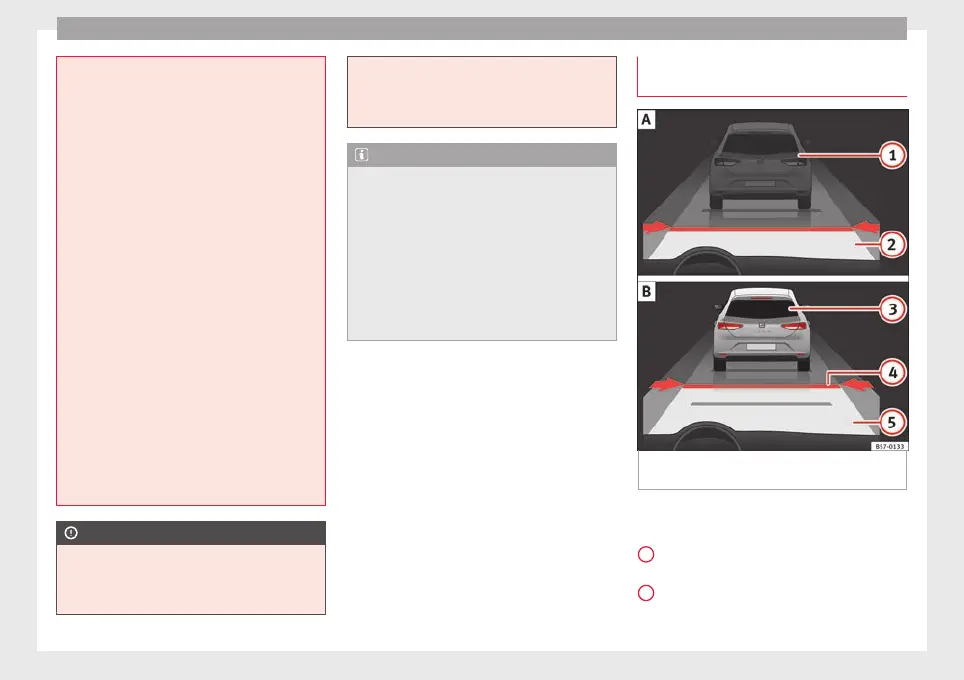
Fig. 195 On the instrument panel display: (A)
A
C
C
inactive (Standby). (B) ACC active.
Status display
Indic
ation
s
on the display ››› Fig. 195:
Vehicle ahead detected. ACC is not active
and is not regulating your speed.
Distance from the vehicle ahead. ACC is
not active and is not regulating your dis-
tance.
1
2
222



 To Next Page