EasyManua.ls Logo

Shindaiwa T242 - User Manual

Shindaiwa T242
32 pages
Print Icon
To Next Page IconTo Next Page
Loading...
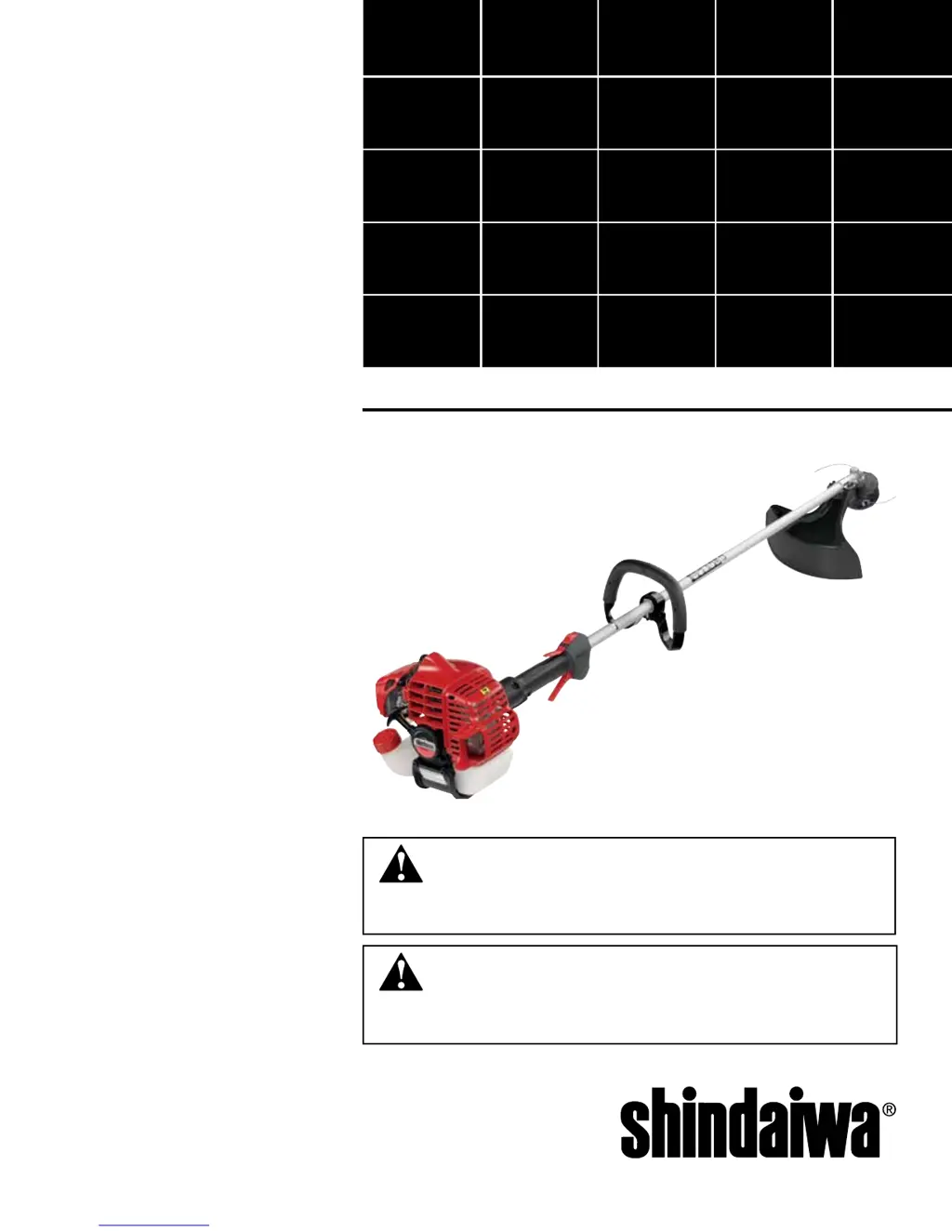
SHINDAIWA OWNER’S/OPERATOR’S MANUAL
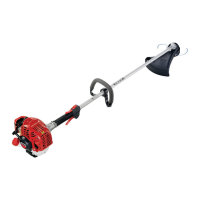
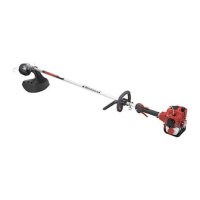
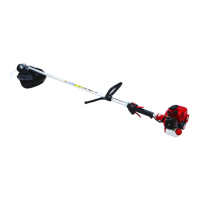
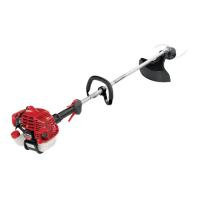
T242 Trimmer
X7502800905
05/14
WARNING!
Minimize the risk of injury to yourself and others! Read this
manual and familiarize yourself with the contents. Always wear eye
and hearing protection when operating this unit.
WARNING!
The engine exhaust from this product contains chemicals
known to the State of California to cause cancer, birth defects or
other reproductive harm.

Questions and Answers

  • R
    Roberto Hernandez DVMJul 31, 2025
    How to fix a Shindaiwa Trimmer that is hard to start?
    • A
      amy57Jul 31, 2025
      If your Shindaiwa Trimmer engine is hard to start, it might be due to the engine being hot; let it cool completely before restarting. Another reason could be low fuel quality; refill with fresh, clean unleaded gasoline with a pump octane of 89 or higher mixed with an air cooled engine oil that meets or exceeds ISO-L-EGD (ISO/CD 13738) and J.A.S.O. M345- FD classified oils at 50:1 gasoline/oil ratio.
  • M
    Mallory MorrisAug 12, 2025
    Why is my Shindaiwa T242 engine difficult to shut off?
    • C
      Charles SalasAug 12, 2025
      If your Shindaiwa Trimmer engine is difficult to shut off, the ground (stop) wire may be disconnected or the switch defective; test and replace as required. Additionally, overheating due to an incorrect spark plug can cause this issue; replace the spark plug, checking the Specifications section for the correct plug and gap for your unit, and then restart. If the engine is overheated, idle it until cool.
  • J
    James FloresAug 19, 2025
    Why does the cutting attachment move at idle on my Shindaiwa Trimmer?
    • N
      Natasha HammondAug 19, 2025
      If the cutting attachment on your Shindaiwa Trimmer moves at engine idle, the gearcase might be loose; tighten it securely. Alternatively, the main shaft could be bent, or the bushings worn or damaged; inspect and replace these components as necessary.
  • B
    Becky DuranOct 25, 2025
    What to do if my Shindaiwa T242 Trimmer engine does not start?
    • B
      Brandon ChandlerOct 25, 2025
      If your Shindaiwa Trimmer engine won't start, several factors could be at play. Ensure the ignition switch is in the 'I' (ON) position. The fuel might be stale, contaminated, or the mixture could be incorrect; in this case, refill with fresh, clean unleaded gasoline with a pump octane of 89 or higher, mixed with an air-cooled engine oil that meets or exceeds ISO-L-EGD (ISO/CD 13738) and J.A.S.O. M345-FD classified oils at a 50:1 gasoline/oil ratio. Also, a fouled or improperly gapped spark plug can prevent starting; clean and gap the spark plug, checking the specifications for the correct plug and gap. If the plug is damaged or the wrong size, replace it, consulting the specifications for the correct type. If the priming pump is not functioning properly or if there is a shorted ignition gr...
  • J
    Jenny OconnellNov 6, 2025
    Why does my Shindaiwa Trimmer have low power output?
    • R
      Ralph JohnsonNov 6, 2025
      If your Shindaiwa Trimmer has low power output, consider these potential causes. You might be overworking the unit; try using a lower throttle setting. Ensure you're using the correct fuel mixture by refilling with fresh, clean unleaded gasoline with a pump octane of 89 or higher, mixed with an air-cooled engine oil that meets or exceeds ISO-L-EGD (ISO/CD 13738) and J.A.S.O. M345FD classified oils at a 50:1 gasoline/oil ratio. A clogged air filter can also reduce power, so service it. Check the spark plug; if it's loose or damaged, tighten or replace it, referring to the specifications for the correct type and gap. Also, repair or replace a fuel filter and/or fuel line, if there is air leakage or a clogged fuel line. Furthermore, ensure that the fan, fan cover, and cylinder fins are clean ...

Summary

Introduction to Shindaiwa T242 Trimmer

Attention Statements and Warnings

Warning and Operational Labels

Explains the meaning and importance of various safety labels and symbols on the unit.

Safety Instructions

Personal Condition and Safety Equipment

Covers user's physical state and required safety gear for operation.

Personal Safety Measures

Details physical requirements, protective gear, and attire for safe operation.

Equipment Safety and Work Area

Equipment Safety Checks

Ensures proper installation and condition of unit components and attachments.

Clear the Work Area

Mandates clearing bystanders and animals from the operating zone.

Grip and Stance

Instructs on proper hand placement for secure control and maintaining balance.

Vibration, Cold, and RSI Precautions

Avoid Hot Surfaces

Warns about hot components like the muffler and exhaust area.

Vibration and Cold Exposure

Provides precautions against cold exposure and vibration effects on hands.

Repetitive Stress Injury Prevention

Guides on preventing RSIs like Carpal Tunnel Syndrome.

Emission Control and Package Contents

Emission Control Information

Details emission compliance information and standards for the engine.

Package Contents

Lists all items included in the product packaging for assembly.

Product Description and Labels

Product Component Description

Identifies and illustrates the main components of the T242 Trimmer.

Safety Labels Explained

Explains the meaning and importance of various safety labels on the unit.

Assembly Instructions

Adjust Throttle Trigger Free Play

Details how to set the correct play in the throttle trigger for responsive control.

Install the Debris Shield

Provides step-by-step instructions for securely attaching the debris shield.

Trimmer Head and Handle Assembly

Install the Speed-Feed Trimmer Head

Explains the procedure for attaching the trimmer head to the drive shaft.

Position the Support Handle

Instructs on correctly positioning the support handle for operator comfort.

Fuel Requirements and Handling

Fuel Requirements

Specifies the type of gasoline and 2-stroke oil required for the engine.

Handling Fuel Safely

Outlines critical safety precautions for mixing and handling fuel.

Fuel Mixing Instructions

Details the correct procedure and ratio for mixing fuel and oil.

Fuel Storage and Refueling

Fuel Storage and After Use

Covers procedures for storing the unit and handling fuel after use.

Filling the Fuel Tank

Provides instructions on safely refilling the fuel tank.

Starting Cold Engine Procedure

Engine Starting and Stopping

Starting Warm Engine

Procedure for starting the engine when it is already warm.

Stopping the Engine

Instructions on how to safely shut down the engine.

Operation Safety Guidelines

Operation Techniques

Cutting Grass Techniques

Details on operating the trimmer for cutting grass, including techniques and angles.

Engine Operating Speeds

Recommendations for optimal engine speed during operation for efficiency and safety.

Shoulder Strap or Harness Use

Explains the benefits and use of a shoulder strap for operator support.

General Maintenance

Maintenance Guidelines and Warnings

General advice, warnings, and important notes regarding maintenance procedures.

Key Component Checks

Ensures proper condition of muffler, spark plug, and fasteners.

Daily Maintenance Tasks

Tasks to perform before each day's work for optimal performance and safety.

Scheduled Maintenance Intervals

10-Hour Maintenance

Procedures for maintenance tasks required every 10 hours of operation.

10;15-Hour Spark Plug Maintenance

Details on spark plug inspection, cleaning, gapping, and torque.

50-Hour Maintenance and Fuel Filter

50-Hour Maintenance

Tasks to perform after every 50 hours of operation.

Gearcase Lubrication

Instructions for checking and adding grease to the gearcase.

Fuel Filter Replacement

Procedure for safely removing and replacing the fuel filter.

135-Hour Maintenance and Carburetor

135-Hour Muffler Maintenance

Steps for removing, cleaning, and inspecting the muffler and spark arrester.

Carburetor Adjustment Overview

Information on engine break-in, high altitude adjustments, and general carburetor settings.

Carburetor and Trimmer Head Procedures

Adjusting Engine Idle Speed

Procedure for setting the engine's idle speed for proper operation.

Disassemble Trimmer Head

Instructions for taking apart the Speed-Feed trimmer head.

Remove Trimmer Head

Steps to detach the trimmer head from the drive shaft.

Nylon Line Replacement Guide

Long Term Storage Procedures

Troubleshooting Engine Starting Issues

Troubleshooting Low Power and Engine Knock

Troubleshooting Performance Problems

Poor Acceleration and Engine Stoppage

Resolves problems like poor acceleration, abrupt stopping, and shutdown difficulty.

Idle Speed and Attachment Movement Issues

Fixes problems with engine idle speed and cutting attachment movement.

Vibration and Cutting Attachment Problems

Addresses excessive vibration and issues with the cutting attachment.

Product Specifications

Warranty Statements and Periods

Warranty Overview and Responsibilities

Covers ECHO's and the owner's responsibilities and general warranty terms.

Product Warranty Periods by Application

Details specific warranty durations for residential, commercial, and rental applications.

Warranty Exclusions and Limitations

Servicing Information and Support

Parts and Serial Number Identification

Information on obtaining genuine parts and identifying unit serial numbers.

Service and Consumer Support

Details on warranty service, consumer product support, and dealer location.

Warranty Registration and Manuals

Instructions for registering warranty and obtaining replacement manuals.

Shindaiwa T242 Specifications

General IconGeneral
Engine Displacement23.9 cc
Dry Weight4.5 kg
Engine Type2-Stroke
Shaft TypeStraight
Starter SystemRecoil
Weight (kg)4.5 kg
Shaft Length59 inches
Fuel Capacity (L)0.47

Related product manuals