Page 28 of 40
2017-05-23
CU-M001 User manual
B
A
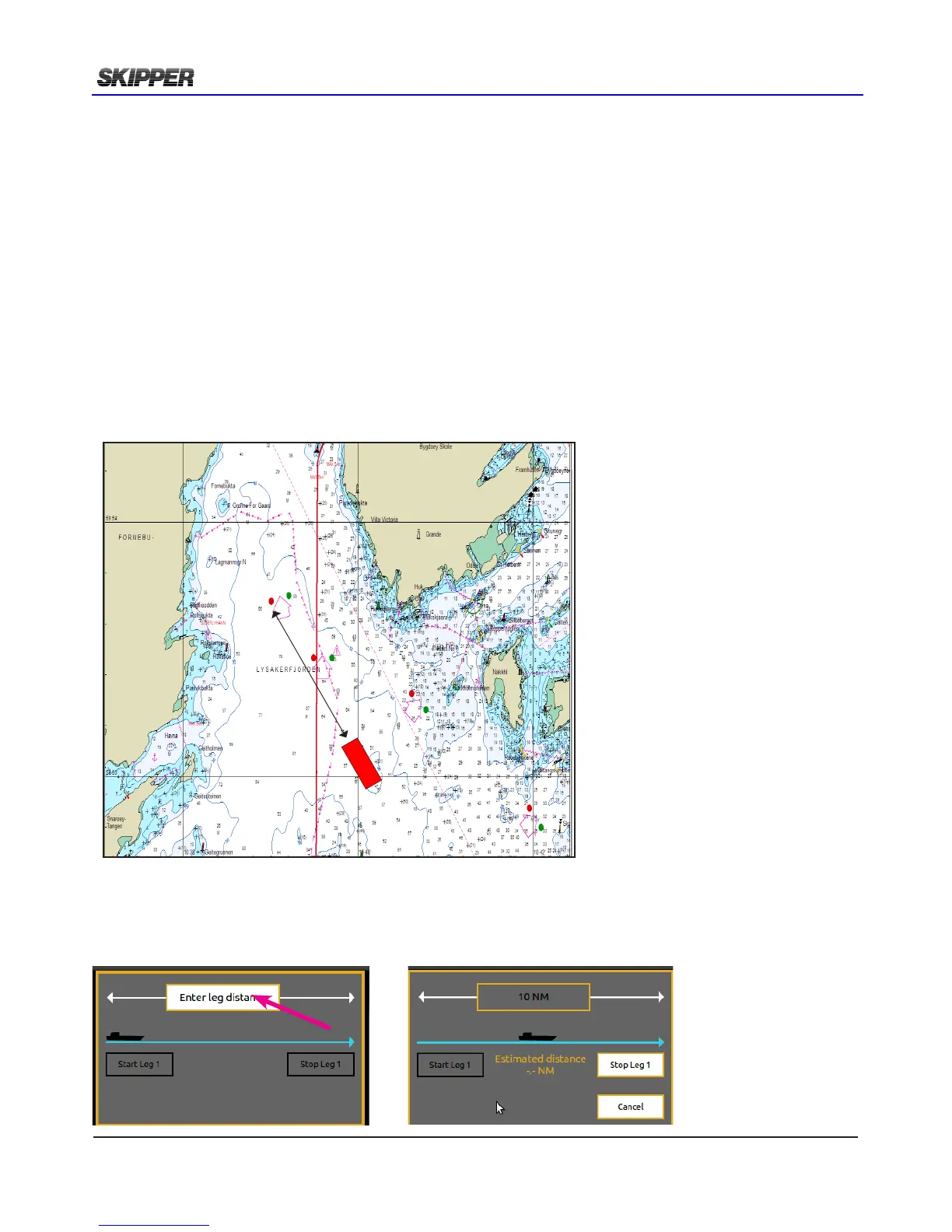
Figure shows plotting a
calibration path on the chart.
The leg should take at least 5
minutes to sail (distance can
be shorter when sailing slowly).
Depth should be < 100 m to ensure
that bottom track also calibrates
correctly.
sea TesT (speed calibraTion):
The Sea test method of calibration takes account of water current, and drag of the water by the vessel
(that may cause lower measurements for STW) This should be performed when the vessel is new,
the sensor is changed, or if the calibration data is questioned or deemed low quality by the systems
internal control systems. (See status page)
The vessel is made to sail a known distance and course in both directions. This to remove any water
current factors from the speeds. If a current is present, the 1st leg may show a different speed to the
2nd leg, however by sailing in opposite directions, the average will be correct.
:
Plot a line on the chart, that will take approximately 5 minutes to sail. In an area where the depth is
<100m and where there is little or no current . Avoid blustery weather as this may effect 1 leg more
than the other
On the ‘SEA TEST’ calibration page
Enter the distance of this line into the middle eld, and then sail along the line (by track, not by
heading) at a constant speed, pressing the start and stop at the beginning and end as instructed.
Note: the stop button should be pressed as the vessel crosses the stop point (B) on the chart. .


 To Next Page