EasyManua.ls Logo

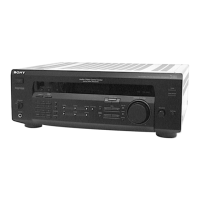
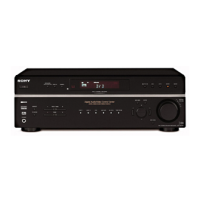
Sony STR-D1015 - User Manual

Sony STR-D1015
40 pages
Print Icon
To Next Page IconTo Next Page
Loading...

Table of Contents

Question and Answer IconNeed help?

Do you have a question about the Sony STR-D1015 and is the answer not in the manual?

Summary

Warning and Compliance Information

Owners Record and Compliance Information

Includes owner's record, FCC compliance details, Canadian notes, and CATV installer guidance.

Introduction

Overview and Receiver Features

Provides a general overview of the receiver's features, including Dolby Surround Sound and amplifier capabilities.

Precautions

Safety, Placement, and Maintenance

Covers essential safety guidelines, proper placement, and maintenance advice for the receiver.

Chapter 1 Getting Started

Unpacking and Remote Setup

Instructions for unpacking the receiver, checking accessories, and installing remote commander batteries.

Hookups

Connecting FM and AM Antennas

Instructions for connecting FM wire and AM loop antennas for optimal reception.

Hookups (Continued)

Connecting Audio Components

Detailed steps for connecting various audio sources like tape decks, CD players, and turntables to the receiver.

Hookups (Continued)

Connecting Video Components

Instructions for connecting video sources like VCRs, LD players, and TVs to the receiver's inputs.

Hookups (Continued)

Connecting Speaker Systems and Placement

Guidance on connecting speakers, impedance selection, polarity, and optimal placement for surround sound.

Hookups (Continued)

Connecting the AC Power

Instructions for connecting the receiver's power cord to a wall outlet and using the switched AC outlet.

Chapter 2 Basic Operations

Selecting a Program Source

How to choose and switch between different audio and video input sources for playback.

Chapter 2 Basic Operations (Continued)

Speaker Output and Audio Adjustment

Covers speaker selection, volume, muting, balance, and bass boost for audio.

Chapter 2 Basic Operations (Continued)

Using the Remote Control

Explains how to use the remote control's system control and function buttons for various components.

Chapter 2 Basic Operations (Continued)

Operating Specific Components with Remote

Details remote control operations for TV, VCR, and LD players, including special functions for Sony TVs.

Background Operation Mode

Allows temporary operation of other components while listening to or watching a program.

Programming the Remote Control

Learning Non-Sony Remote Signals

Step-by-step guide on how to program the receiver's remote to control non-Sony components.

Receiving Broadcasts

Direct Tuning Method

Instructions for manually tuning radio stations by entering their frequency using numeric buttons.

Receiving Broadcasts (Continued)

Automatic Tuning and Presetting Stations

Guides on scanning for stations and storing favorite FM/AM stations into memory for quick recall.

Receiving Broadcasts (Continued)

Receiving Preset Stations

Methods for tuning into stored radio stations by entering preset numbers or scanning indexed stations.

Watching Video Programs

Video Program Playback and Audio Mixing

Steps for watching video programs and combining video with separate audio sources.

Sound Fields

Using Pre-programmed Sound Fields

Guide to selecting and applying built-in sound field settings for various listening environments.

Recording

Audio and Tape Recording Procedures

Instructions for recording audio sources onto tape/DAT/MD and performing tape dubbing.

Recording (Continued)

Video Recording and Editing with New Audio

How to record video programs and add different audio tracks to video recordings.

Indexing Features

Indexing Preset Stations and Sources

Process for naming and grouping preset radio stations and creating custom names for input sources.

Indexing Features (Continued)

Scanning Indexed Stations and Sources

Methods to find desired stations by scanning indexed groups and labeling program sources.

Indexing Features (Continued)

Managing Program Source Index Names

Instructions for changing existing index names and switching between source names and index names.

Using the Sleep Timer

Setting the Sleep Timer

How to program the receiver to automatically turn off after a specified time.

Programming the Remote Control

Learning Non-Sony Remote Signals

Step-by-step guide on how to program the receiver's remote to control non-Sony components.

Programming the Remote Control (Continued)

Managing Programmed Signals

Covers memory capacity, clearing signals, and programming new signals onto existing buttons.

Chapter 4 Sound Effects

Dolby Surround Sound Overview and Center Modes

Explains Dolby Surround and guides selection of center modes based on speaker setup.

Chapter 4 Sound Effects (Continued)

Adjusting Speaker Volume Levels

How to use the Test Tone feature to balance front, center, and rear speaker volumes.

Chapter 4 Sound Effects (Continued)

Adjusting Rear Speaker Delay Time

Instructions for fine-tuning the time difference between front and rear speakers for optimal surround effect.

Creating Custom Sound Fields

Understanding Available Parameters

Details adjustable parameters (Tone, Delay Time, Rear Level, Center Level) for customizing sound fields.

Creating Custom Sound Fields (Continued)

Adjusting Sound Field Parameters and Tone Controls

Steps for customizing sound fields, adjusting parameters, and modifying bass/treble levels.

Creating Custom Sound Fields (Continued)

Selecting Custom Sound Field Settings

How to select and apply custom sound field settings or restore factory defaults.

Chapter 5 Other Information

Troubleshooting Common Problems

Guide to diagnosing and resolving issues like poor reception, no sound, or remote control malfunctions.

Chapter 5 Other Information (Continued)

Troubleshooting Sound and Remote Issues

Addresses problems such as reversed speaker sound, hum/noise, and remote operation failures.

Specifications

Audio Power, Amplifier, and Tuner Specifications

Details on power output, distortion, amplifier/tuner performance, and video/general specs.

Identifying the Parts and Controls

Front Panel Controls Overview

Identifies and describes each button, jack, and indicator on the receiver's front panel.

Identifying the Parts and Controls (Continued)

Remote Control Button Functions

Maps each button on the remote control to its corresponding function and page reference.

Quick Reference

Tuning and Preset Station Operations

Visual guide for directly tuning, presetting, and labeling FM/AM radio stations.

Quick Reference (Continued)

Selecting and Adjusting Sound Settings

Visual guide for selecting stations in index, labeling program sources, and adjusting tone/surround settings.

Summary

Warning and Compliance Information

Owners Record and Compliance Information

Includes owner's record, FCC compliance details, Canadian notes, and CATV installer guidance.

Introduction

Overview and Receiver Features

Provides a general overview of the receiver's features, including Dolby Surround Sound and amplifier capabilities.

Precautions

Safety, Placement, and Maintenance

Covers essential safety guidelines, proper placement, and maintenance advice for the receiver.

Chapter 1 Getting Started

Unpacking and Remote Setup

Instructions for unpacking the receiver, checking accessories, and installing remote commander batteries.

Hookups

Connecting FM and AM Antennas

Instructions for connecting FM wire and AM loop antennas for optimal reception.

Hookups (Continued)

Connecting Audio Components

Detailed steps for connecting various audio sources like tape decks, CD players, and turntables to the receiver.

Hookups (Continued)

Connecting Video Components

Instructions for connecting video sources like VCRs, LD players, and TVs to the receiver's inputs.

Hookups (Continued)

Connecting Speaker Systems and Placement

Guidance on connecting speakers, impedance selection, polarity, and optimal placement for surround sound.

Hookups (Continued)

Connecting the AC Power

Instructions for connecting the receiver's power cord to a wall outlet and using the switched AC outlet.

Chapter 2 Basic Operations

Selecting a Program Source

How to choose and switch between different audio and video input sources for playback.

Chapter 2 Basic Operations (Continued)

Speaker Output and Audio Adjustment

Covers speaker selection, volume, muting, balance, and bass boost for audio.

Chapter 2 Basic Operations (Continued)

Using the Remote Control

Explains how to use the remote control's system control and function buttons for various components.

Chapter 2 Basic Operations (Continued)

Operating Specific Components with Remote

Details remote control operations for TV, VCR, and LD players, including special functions for Sony TVs.

Background Operation Mode

Allows temporary operation of other components while listening to or watching a program.

Programming the Remote Control

Learning Non-Sony Remote Signals

Step-by-step guide on how to program the receiver's remote to control non-Sony components.

Receiving Broadcasts

Direct Tuning Method

Instructions for manually tuning radio stations by entering their frequency using numeric buttons.

Receiving Broadcasts (Continued)

Automatic Tuning and Presetting Stations

Guides on scanning for stations and storing favorite FM/AM stations into memory for quick recall.

Receiving Broadcasts (Continued)

Receiving Preset Stations

Methods for tuning into stored radio stations by entering preset numbers or scanning indexed stations.

Watching Video Programs

Video Program Playback and Audio Mixing

Steps for watching video programs and combining video with separate audio sources.

Sound Fields

Using Pre-programmed Sound Fields

Guide to selecting and applying built-in sound field settings for various listening environments.

Recording

Audio and Tape Recording Procedures

Instructions for recording audio sources onto tape/DAT/MD and performing tape dubbing.

Recording (Continued)

Video Recording and Editing with New Audio

How to record video programs and add different audio tracks to video recordings.

Indexing Features

Indexing Preset Stations and Sources

Process for naming and grouping preset radio stations and creating custom names for input sources.

Indexing Features (Continued)

Scanning Indexed Stations and Sources

Methods to find desired stations by scanning indexed groups and labeling program sources.

Indexing Features (Continued)

Managing Program Source Index Names

Instructions for changing existing index names and switching between source names and index names.

Using the Sleep Timer

Setting the Sleep Timer

How to program the receiver to automatically turn off after a specified time.

Programming the Remote Control

Learning Non-Sony Remote Signals

Step-by-step guide on how to program the receiver's remote to control non-Sony components.

Programming the Remote Control (Continued)

Managing Programmed Signals

Covers memory capacity, clearing signals, and programming new signals onto existing buttons.

Chapter 4 Sound Effects

Dolby Surround Sound Overview and Center Modes

Explains Dolby Surround and guides selection of center modes based on speaker setup.

Chapter 4 Sound Effects (Continued)

Adjusting Speaker Volume Levels

How to use the Test Tone feature to balance front, center, and rear speaker volumes.

Chapter 4 Sound Effects (Continued)

Adjusting Rear Speaker Delay Time

Instructions for fine-tuning the time difference between front and rear speakers for optimal surround effect.

Creating Custom Sound Fields

Understanding Available Parameters

Details adjustable parameters (Tone, Delay Time, Rear Level, Center Level) for customizing sound fields.

Creating Custom Sound Fields (Continued)

Adjusting Sound Field Parameters and Tone Controls

Steps for customizing sound fields, adjusting parameters, and modifying bass/treble levels.

Creating Custom Sound Fields (Continued)

Selecting Custom Sound Field Settings

How to select and apply custom sound field settings or restore factory defaults.

Chapter 5 Other Information

Troubleshooting Common Problems

Guide to diagnosing and resolving issues like poor reception, no sound, or remote control malfunctions.

Chapter 5 Other Information (Continued)

Troubleshooting Sound and Remote Issues

Addresses problems such as reversed speaker sound, hum/noise, and remote operation failures.

Specifications

Audio Power, Amplifier, and Tuner Specifications

Details on power output, distortion, amplifier/tuner performance, and video/general specs.

Identifying the Parts and Controls

Front Panel Controls Overview

Identifies and describes each button, jack, and indicator on the receiver's front panel.

Identifying the Parts and Controls (Continued)

Remote Control Button Functions

Maps each button on the remote control to its corresponding function and page reference.

Quick Reference

Tuning and Preset Station Operations

Visual guide for directly tuning, presetting, and labeling FM/AM radio stations.

Quick Reference (Continued)

Selecting and Adjusting Sound Settings

Visual guide for selecting stations in index, labeling program sources, and adjusting tone/surround settings.

Sony STR-D1015 Specifications

General IconGeneral
Power Output100W per channel (8 ohms, 20Hz-20kHz, THD 0.09%)
Number of Channels2
Frequency Response10 Hz - 100 kHz (+1 dB, -3 dB)
Input sensitivity (MM)2.5mV
Tuning rangeFM
Speaker load impedance6 ohms
Power Output (6 ohms)100 W per channel
Frequency Response (extended)10Hz
Total Harmonic Distortion (high)0.9% (1 kHz, 100 W)
Speaker Impedance6-16 ohms
Dimensions (mm, alternate)430 x 160 x 375 mm
Weight (kg, alternate)7.5

Related product manuals