14
Miscellaneous Leaks
Oil Seals and Gasket Leaks
Many oil leaks can be located with the LeakMaster;
however, it is important to understand that the
LeakMaster will only nd leaks that allow air to ow
through them, causing the oil to bubble.
To nd oil leaks, it is necessary to pressurize the
crankcase with smoke:
1. Remove the vehicle’s oil dipstick, slip a hose over
the dipstick tube, and insert the smoke nozzle into
the hose.
2. Block or plug the PCV, air breather, and intake.
Remove the oil ller cap.
3. Introduce smoke into the crankcase until smoke is
seen exiting the oil ller port.
4. Install the oil ller cap, and continue lling the
system.
5. Use the spotlight to check for leaks, which could
appear as seeping smoke, bubbling oil with little
or no smoke, or dripping oil with no smoke at all.
Intercooler and
Turbocharger Leaks
Engine compartments with turbochargers tend to
run hotter than normally aspirated engines, causing
hoses and seals to dry out and leak. For turbocharged
systems to operate efciently, there can be no leaks in
the intercooler, ducting, exhaust, or the turbo itself.
1. Connect the smoke nozzle to the intake system.
2. Introduce smoke into this “cold” side of the
turbocharger.
3. While the intake is under smoke pressure, inspect
the intercooler, ducting, waste gate, and the cold
side of the turbo for leaks.
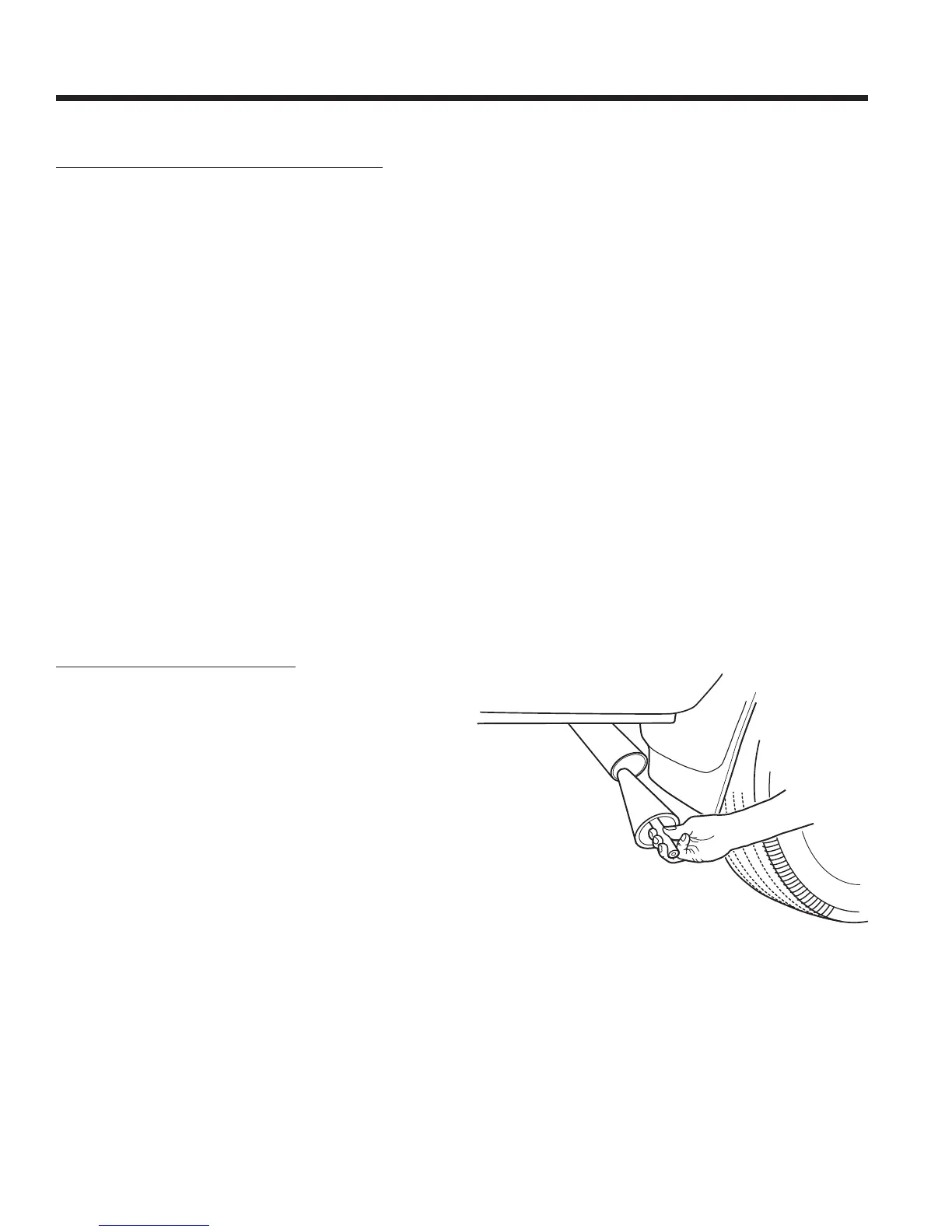
4. To inspect the “hot” or exhaust side of the turbo
for leaks, install the exhaust cone into the exhaust
pipe. Introduce smoke and inspect the exhaust,
the exhaust manifold, and the “hot” side of the
turbocharger.
To inspect the “hot” or exhaust side
of the turbo, install the exhaust cone
into the exhaust pipe.


 To Next Page