EasyManua.ls Logo

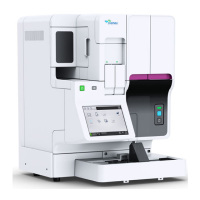
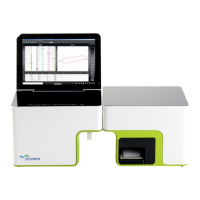
SYSMEX SP-1000i - User Manual

SYSMEX SP-1000i
40 pages
Print Icon
To Next Page IconTo Next Page
Loading...
Sysmex House, Garamonde Drive, Wymbush, Milton Keynes, MK8 8DF, United Kingdom · Phone +44 333 320 3460 · Fax +44 1908 267 901
academy.training@sysmex.co.uk· www.sysmex.co.uk
Routine Use Training Workbook
SP-1000
Date:
19/07/2021
Document Ref:
SUKBMS-24-601
Version:
2.0

Questions and Answers

  • J
    Javier TurnerAug 9, 2025
    Why is SYSMEX Laboratory Equipment staining too pink?
    • M
      Michele SchmidtAug 9, 2025
      If the staining with your SYSMEX Laboratory Equipment is too pink, this may be due to an incorrect proportion of azure B – eosin Y, a buffer pH that is too low, or excessive washing in the buffer solution.
  • K
    Kenneth CarpenterAug 15, 2025
    What causes a blue background in SYSMEX Laboratory Equipment staining?
    • P
      Pamela DavisAug 15, 2025
      A blue background in SYSMEX Laboratory Equipment staining may be due to inadequate fixation or prolonged storage before fixation, or blood collection into heparin as an anticoagulant.
  • K
    kellykhanAug 22, 2025
    What causes neutrophil granules to appear pseudo-toxic in SYSMEX Laboratory Equipment?
    • L
      Linda AllenAug 22, 2025
      Neutrophil granules appearing pseudo-toxic in SYSMEX Laboratory Equipment could be caused by excess azure B.
  • M
    Melissa WilliamsAug 28, 2025
    Why are neutrophil granules not stained in SYSMEX Laboratory Equipment?
    • R
      Randy MorganAug 28, 2025
      If neutrophil granules are not stained when using SYSMEX Laboratory Equipment, this may be due to insufficient azure B.
  • C
    Cassandra GonzalesSep 2, 2025
    Why are nuclei too blue with SYSMEX Laboratory Equipment?
    • J
      Jennifer BrooksSep 2, 2025
      The nuclei appearing too blue when using SYSMEX Laboratory Equipment could be due to eosin concentration being too low.

Summary

Analyser Components

Outside the Analyser

Details external components of the SP-series analyzer, including tables, switches, and ports.

Inside the Smear Table

Inside the Stain Table

Reagent on board the SP-series

Smear Production and Staining Principles

Smear Production

Details the process of preparing a smear, from slide removal to dispensing blood and smear formation.

Staining Principles

Explains Romanowsky stains and how cellular components bind to dyes based on chemical structures.

Maintenance

Daily Maintenance

Details the daily shutdown and cleaning procedures for the SP-series analyzer.

Weekly Maintenance

Outlines the weekly shutdown and cleaning procedures for the SP-series analyzer.

Replacing Spreader Glass

Provides step-by-step instructions for replacing the spreader glass on the analyzer.

Running Patient Samples

SmearList

Status

Replacing Reagents

Responding to Alarms

Audit logs

SYSMEX SP-1000i Specifications

General IconGeneral
Sample TypeBlood, Bone Marrow, Body Fluids
TechnologyAutomated Staining
Staining MethodWright-Giemsa, May-Grünwald Giemsa
Power Supply100-240 VAC, 50/60 Hz
Operating EnvironmentTemperature: 15-30°C, Humidity: 30-85% (non-condensing)
Data StorageInternal storage for staining protocols and logs
InterfaceEthernet

Related product manuals