
 Need help?
Do you have a question about the TECH Yealink T29G and is the answer not in the manual?
Step-by-step guide to initiating calls using the phone keypad or headset.
Instructions for receiving incoming calls via handset, speakerphone, or headset.
Procedures to terminate an active call using softkeys or hanging up.
How to redial the last number or select from call history.
Steps to mute and unmute an active call.
How to place calls on hold and resume them.
Methods for blind and attended call transfers.
Configuration options for call forwarding (Always, Busy, No Answer).
Process to answer a call ringing on another extension.
How to set up and manage conference calls for multiple parties.
Using DSS keys to monitor and manage other lines.
How to enable and use the Do Not Disturb feature to reject calls.
Managing contacts to automatically reject incoming calls.
Viewing and detailing call records (All, Missed, Placed, Received).
Procedure to select and save a preferred ring tone.
Adjusting receiver and ringer volumes.
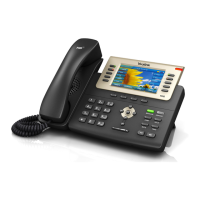
The Yealink T29G is a sophisticated IP phone designed for professional communication, offering a comprehensive suite of features for efficient call management and enhanced user experience. It integrates seamlessly into various network environments, providing reliable and high-quality audio communication.
At its core, the Yealink T29G serves as a primary communication device, enabling users to make, receive, and manage phone calls with clarity and ease. The phone features an LCD screen that displays crucial information such as call details, messages, softkey labels, time, and date, keeping the user informed at all times. A power indicator LED provides a quick visual cue regarding the phone's power status and overall operational state.
The device supports multiple lines, allowing users to activate up to three accounts and assign various features to each. This multi-line capability is particularly useful in environments where individuals manage several communication channels or roles. Context-sensitive softkeys, labeled automatically on the screen, adapt their functions based on the current call state or menu, streamlining navigation and access to features.
For call control, the Yealink T29G includes dedicated keys for essential functions. The HEADSET key toggles and indicates headset mode, catering to users who prefer hands-free communication. The HOLD key allows users to place an active call on hold or resume a held call, facilitating multitasking. Call transfer is managed via the TRAN key, enabling users to seamlessly redirect calls to other parties. The Speakerphone key provides a hands-free communication option, while the RD key allows for quick redialing of previously dialed numbers. The MESSAGE key indicates new voicemails and provides direct access to them. For collaborative communication, the CONF key initiates and manages conference calls with multiple participants. During an active call, the MUTE key allows users to mute or unmute their microphone, ensuring privacy or reducing background noise.
The phone's keypad provides the standard digits, letters, and special characters necessary for dialing and interacting with context-sensitive applications. Audio output for both the ringer and hands-free (speakerphone) mode is delivered through a dedicated speaker, ensuring clear sound.
The Yealink T29G offers a user-friendly interface with intuitive call handling capabilities.
To place a call, users can simply pick up the handset, enter the desired number using the keypad, and press the OK or Send softkey. For headset users, activating headset mode, selecting a line, dialing, and then pressing OK or Send initiates a call. Answering calls is straightforward: picking up the handset, pressing the speakerphone key, or tapping the Answer softkey for hands-free mode. Headset users can answer by pressing the headset key and tapping Answer. When on another call, pressing the Answer key answers the incoming call while placing the original on hold.
Calls can be ended by pressing the End Call softkey or by hanging up the handset. Headset and speakerphone users also utilize the End Call softkey.
The phone simplifies redialing. Pressing the RD key twice redials the last dialed number. To redial a previously dialed number from a list, users press the RD key when idle, then use the navigation keys to select an entry from the placed calls list, and finally press RD or Send.
During an active call, pressing the MUTE key mutes the microphone, with the LCD screen indicating the muted status. Pressing MUTE again unmutes the call.
To put a call on hold, users press the Hold softkey during an active call. The LCD screen displays "Hold," and the phone provides a gentle beep every 30 seconds as a reminder. To resume a held call, users press the Resume softkey.
The T29G supports two types of call transfers:
The phone offers three call forwarding options:
This feature allows users to answer a call ringing on another phone. By picking up the handset, pressing the speakerphone or a line key, then More, and finally DPickup, users can enter the ringing phone's number and answer the call.
The T29G supports conference calls with up to three parties. Users initiate a call with the first party, then press the Conference softkey to place a new call (placing the first party on hold). After dialing and connecting with the second party, pressing the Conference softkey again joins all parties.
BLF keys allow users to monitor other phone lines. They can dial a monitored number when the line is idle, receive visual or audio alerts for activity on monitored lines, and pick up calls received on those lines. This is configured via Menu > Features > DSS Keys, where users select BLF as the type and specify the monitored extension.
When DND is enabled (configured via the system), incoming calls are automatically rejected. The DND icon on the status bar indicates its active status.
The phone allows users to blacklist up to 30 contacts, automatically rejecting incoming calls from these numbers. Contacts can be added, edited, deleted, or searched via Directory > Blacklist.
Users can view a comprehensive call history by pressing the History softkey. The LCD screen displays records categorized as All, Missed, Placed, Received, and Forwarded. Users can navigate through these lists and view detailed information for each entry.
During a call, the Volume key adjusts the receiver volume for the handset, headset, or speakerphone. When the phone is idle, the Volume key adjusts the ringer volume.
While the manual primarily focuses on operational features, some aspects touch upon maintenance indirectly through configuration and user settings.
Users can personalize their phone by changing the ring tone. This is done by navigating to Menu > Basic > Sound > Ring Tones > Common, selecting a desired ring tone, and saving the change. This customization contributes to user comfort and helps distinguish the phone's ring from others in a shared environment.
The ability to configure features like call forwarding, DSS keys, and blacklist entries implies a level of user control over the phone's behavior. While not direct "maintenance" in the traditional sense, these configuration options allow users to tailor the device to their specific needs and troubleshoot minor operational issues related to call routing or unwanted calls. The "Save" and "Back" softkeys are integral to managing these configurations, ensuring changes are applied correctly or discarded if necessary.
The Yealink T29G is designed for robust performance and ease of use, with its features aimed at providing a reliable and adaptable communication tool for various professional settings.
 General
| Bluetooth | No |
|---|---|
| SIP Accounts | 16 |
| HD Voice | Yes |
| Network Interface | Dual 10/100/1000 Mbps Ethernet ports |
| PoE | Yes (IEEE 802.3af) |
| USB | 1 USB port |
| Headset | RJ9 headset port |
| Expansion Modules | Supports up to 6 expansion modules |
| Voice Codecs | G.722 |
| Supported Protocols | SIP |
| Headset Support | Yes |
| Operating Temperature | 0°C to 40°C |
| Operating Humidity | 10% to 95% |

 To Next Page