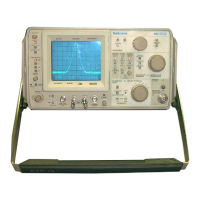
Fig. 6-36. Typical Video Filter integrated display of 200 MHz RF
division signal amplitude on the Type 491. Note the dBm
reading of the Signal Generator attenuator dial, Increase
the variable output attenuation of the Signal Generator
50 dB. Adjust the GAIN control for a 8 division display.
c. Check-Range of GAIN control must equal or exceed
50 dB.
NOTE
If the IF GAIN control does not meet this require-
ment, perform step 36 then recheck.
32. Check INTENSIFIER Control Range
a. Test equipment setup is given in step 29.
b. Change the DISPERSION selector to 100 kHz/div.
Uncouple the RESOLUTION control and turn the control fully
clockwise (maximum resolution bandwidth).
c. Set the VERTICAL DISPLAY switch to LOG position than
adjust the GAIN control and the Signal Generator output
for a signal amplitude of approximately 8 divisions.
d. Turn the INTENSIFIER control to the OFF position (fully
CCW). Set the INTENSIFIER control for a display of nominal
brightness. Set the CONTRAST adjustment to midrange.
e. Turn the INTENSIFIER control fully
CW. The intensified
portion of the signal should measure between 3.5 and 4.5
major divisions.
Fig. 6-37. Typical display showing incidental frequency modulation,
33.
a.
b.
Check Signal Amplitude at the TO
RECORDER Connector
Equipment setup is given in step 29.
Set the VERTICAL DISPLAY switch to the LIN position,
adjust the Signal Generator output and the Type 491 GAIN
control for a signal amplitude of 6 divisions.
c. Connect a
1× probe from the test oscilloscope to the
TO RECORDER connector on the back panel. Terminate the
connector into a 600 W Ioad by connecting a 600 W resistor
from the TO RECORDER lack to ground.
d. Check—Signal amplitude should equal or exceed 24
mV
(≥4 mV division of displayed signal amplitude).
34. Check Video Filter Operation
a.
Equipment setup is given in step 33.
b. With the DISPERSION selector at 100 kHz/DIV and
the TIME/DIV at 5 ms, uncouple the RESOLUTION control
and turn counterclockwise one position from the full clock-
wise position.
c. Turn the VIDEO FILTER switch ON.
d. Check—The display should resemble Fig. 6-36.
e. Decrease the TIME/DIV to .5 s position and check the
display. There should be no appreciable change in the
display, when the FILTER is switched ON or OFF, unless there
is noise in the display. Set the FILTER to the OFF position.
6-34



 To Next Page
