10 Authorizations
28
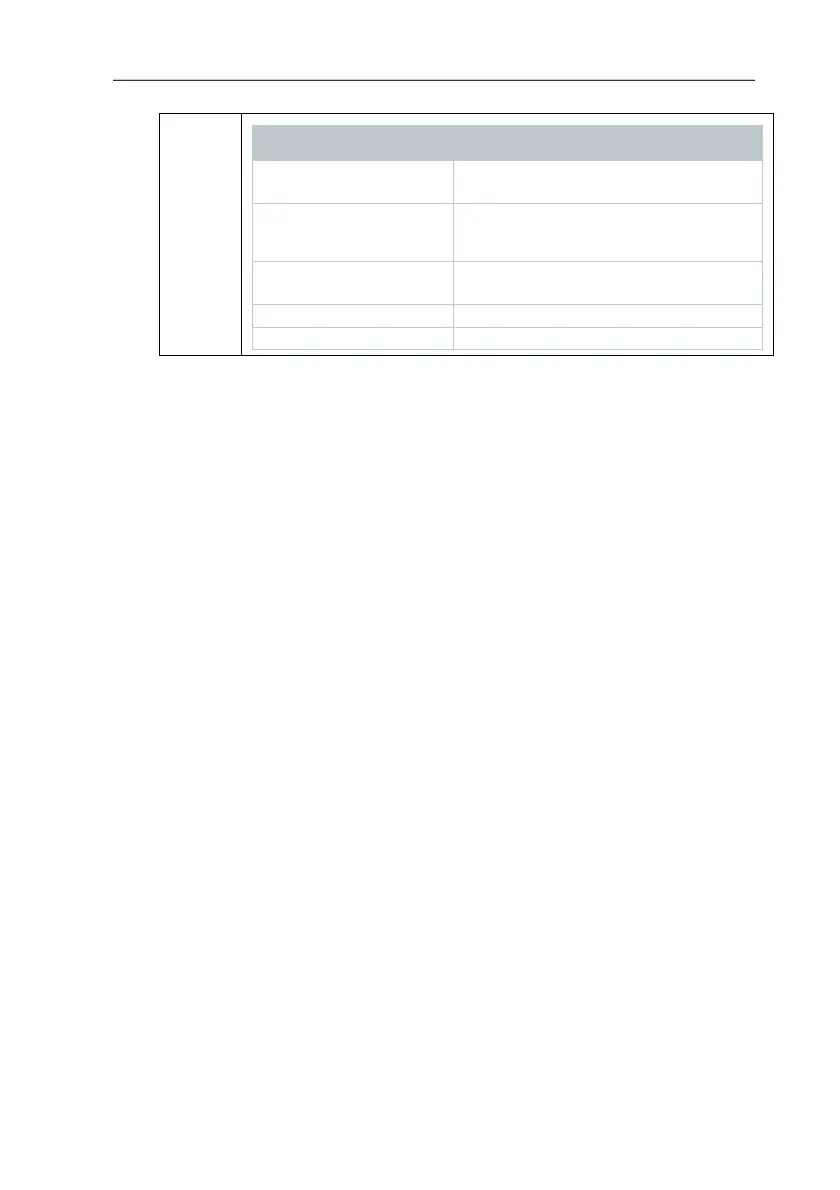
Bluetooth
SIG List
Feature Values
Bluetooth® Range 15 m (free field)
(varies with the used mobile device)
Bluetooth® type
LSD Science & Technology Co., Ltd
L Series BLE Module (08 Mai 2013) based on TI
CC254X chip
Qualified
Design ID
B016552
Bluetooth® radio class Class 3
Bluetooth® company ID 10274
IC Warnings
This instrument complies with Part 15C of the FCC Rules and
Industry Canada RSS-210 (revision 8). Commissioning is subject to
the following two conditions:
(1) This instrument must not cause any harmful interference and
(2) this instrument must be able to cope with interference, even if
this has undesirable effects on operation.
Cet appareil satisfait à la partie 15C des directives FCC et au standard Industrie
Canada RSS-210 (révision 8). Sa mise en service est soumise aux deux conditions
suivantes :
(1) cet appareil ne doit causer aucune interférence dangereuse et
(2) cet appareil doit supporter toute interférence, y compris des interférences qui
provoquerait des opérations indésirables.
FCC Warnings
Information from the FCC (Federal Communications Commission)
For your own safety
Shielded cables should be used for a composite interface. This is to ensure continued
protection against radio frequency interference.
FCC warning statement
This equipment has been tested and found to comply with the limits for a Class C
digital device, pursuant to Part 15 of the FCC Rules. These limits are designed to
provide reasonable protection against harmful interference in a residential installation.
This equipment generates, uses and can radiate radio frequency energy and, if not
installed and used in accordance with the instructions, may cause harmful interference
to radio communications. However, there is no guarantee that interference will not
occur in a particular installation. If this equipment does cause harmful interference to
radio or television reception, which can be determined by turning the equipment off and
on, the user is encouraged to try to correct the interference by one or more of the
following measures:
• Reorient or relocate the receiving antenna.
• Increase the separation between the equipment and receiver.
• Connect the equipment into an outlet on a circuit different from that to which the
receiver is connected.
• Consult the dealer or an experienced radio/TV technician for help.



 To Next Page