
 Need help?
Do you have a question about the Toro Recycler 21472 and is the answer not in the manual?
Signals hazards that may cause serious injury or death if precautions are not followed.
Warns about chemicals known to cause cancer, birth defects, or other reproductive harm.
Indicates the blade is identified as a part from the original machine manufacturer.
Decals highlighting critical hazards like danger, warnings, and specific safety alerts for operation.
Decals showing different operational modes such as recycling and bagging clippings.
Decals illustrating various hazards like cutting, thrown objects, and foot injuries.
Instructions for assembling and unfolding the lawn mower handle for operation.
Procedure for installing the recoil-starter rope into the rope guide for safe engine starting.
Detailed steps for adding the correct amount of oil to the engine to prevent damage.
Instructions on how to assemble the grass bag for collecting clippings.
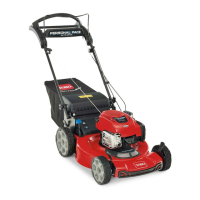
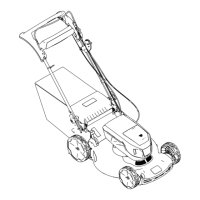
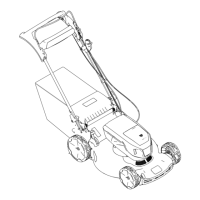
Identifies and labels the main parts of the Toro lawn mower.
Provides technical details including weight, dimensions, and model number.
Information on available attachments and accessories to enhance mower capabilities.
Crucial safety checks and fuel handling procedures to follow before starting the mower.
Instructions for correctly filling the fuel tank with unleaded gasoline and important safety precautions.
Procedure for checking the engine oil level before each use to ensure proper lubrication.
Steps to adjust the handle to a more comfortable position for the operator.
Instructions and safety warnings for adjusting the mower's cutting height for desired grass length.
Safety precautions to maintain while operating the mower, including awareness of surroundings.
Guidelines for safely operating the mower on slopes, emphasizing caution and avoiding steep inclines.
Step-by-step instructions on how to start the lawn mower engine using the recoil starter.
How to operate the self-propel feature for easier mower movement.
Procedure for correctly stopping the mower's engine by releasing the blade-control bar.
Instructions to set the mower for recycling grass and leaf clippings.
Instructions for using the grass bag to collect lawn clippings.
Step-by-step guide on how to attach the grass bag to the mower.
Reversing the installation steps to detach the grass bag from the mower.
Instructions for using the lever to switch between bagging and recycling modes.
Advice on mowing techniques, cutting grass height, and dealing with wet conditions.
Safety measures to take after mowing, including cooling and cleaning.
Procedure for cleaning grass clippings and debris from the mower's underside after use.
Instructions and warnings for folding the mower handle, ensuring cable safety.
A schedule of routine maintenance tasks based on usage intervals.
Essential safety rules to follow before and during maintenance procedures.
Steps to safely prepare the mower for maintenance, such as disconnecting the spark plug.
Instructions for cleaning or replacing the air filter to maintain engine performance.
Procedure for draining and refilling the engine oil, including oil specifications.
Detailed guide for safely replacing the blade, including torque specs and warnings.
Safety precautions to observe when storing the lawn mower.
Steps for preparing the mower for storage, including fuel stabilization and engine drying.
Steps to prepare the mower for use after it has been stored.
Explanation of what Prop 65 warnings mean and their purpose.
Details how Prop 65 applies to companies and products sold in California.
Contrasts Prop 65 chemical exposure levels with federal and international standards.
Explains Toro's decision to provide Prop 65 warnings for consumer information.
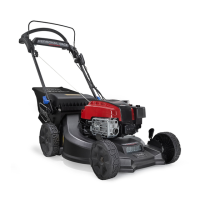
The Toro 22in Recycler® Lawn Mower, Model No. 21472, is a rotary-blade, walk-behind lawn mower designed for residential homeowners to cut grass on well-maintained lawns. This manual provides comprehensive instructions for its safe operation and maintenance.
The primary function of this device is to cut grass and manage clippings through recycling or bagging. It features a self-propel drive system, allowing the user to walk at a comfortable pace while the mower automatically keeps pace. The cutting height is adjustable to suit different lawn conditions and desired grass lengths. The mower is designed to be user-friendly, with clear instructions for starting, stopping, and adjusting its various functions.
Before operating the mower, users are instructed to assemble and unfold the handle, ensuring cables are routed correctly to prevent pinching. The recoil-starter rope must be installed in its guide for safe and easy starting. Users need to add oil to the engine, checking the level carefully to avoid damage. If bagging clippings, the grass bag needs to be assembled and installed.
The mower offers both recycling and bagging options for clippings. When recycling, grass and leaf clippings are returned to the lawn. For bagging, the grass bag collects the clippings. The bag-on-demand lever allows for easy switching between these modes. Users are advised to clean any grass clippings and debris from the bag-on-demand door and surrounding opening before changing positions.
Adjusting the handle height is a key feature for user comfort, with two positions available. The cutting height can also be adjusted, with all wheels needing to be set to the same height. Users are cautioned to shut off the engine and wait for all moving parts to stop before adjusting the cutting height, and to keep hands away from the moving blade and hot muffler.
During operation, general safety guidelines emphasize wearing appropriate clothing, maintaining focus, and avoiding operation while ill or under the influence. The blade is sharp, and users must keep hands and feet away from moving parts. The engine should shut off and the blade stop within 3 seconds of releasing the blade-control bar; if not, service is required. Bystanders and children should be kept out of the operating area. Users should always look down and behind when moving in reverse and operate in good visibility, avoiding wet conditions. Extreme care is advised near blind corners, shrubs, trees, or other objects that may block the view. Discharge material should not be directed toward anyone, and debris should be picked up before mowing. Uneven terrain should be watched for to prevent loss of balance. If the machine strikes an object or vibrates, the engine must be shut off immediately, the spark plug wire disconnected, and the machine inspected for damage before resuming.
Starting the engine involves holding the blade-control bar against the handle and pulling the recoil-start handle sharply. The self-propel drive is engaged by walking with hands on the upper handle. If the machine does not roll backward freely after self-propelling, users can try rolling it forward a couple of centimeters to disengage the wheel drive or contact a dealer if the issue persists. To shut off the engine, the blade-control bar is simply released.
General mowing tips include inspecting the area for objects, avoiding striking solid objects, and replacing the blade for best performance. Cutting only about a third of the grass blade at a time is recommended, and cutting below 51 mm (2 inches) should be avoided unless grass is sparse or growth is slowing. For tall grass, mowing at the highest setting first, then at a lower setting, is advised. Wet grass and leaves should be avoided to prevent clogging and stalling. Users should be aware of potential fire hazards in dry conditions and keep the machine free of dry grass and leaf debris. Alternating mowing direction helps disperse clippings. If lawn appearance is unsatisfactory, users can replace/sharpen the blade, walk slower, raise cutting height, cut more frequently, or overlap cutting swaths. For cutting leaves, ensuring half of the lawn shows through the cut leaf cover is recommended, possibly requiring multiple passes.
Regular maintenance is crucial for the mower's longevity and safe operation. Before each use, the engine oil level must be checked, and the engine's shut-off time (within 3 seconds of releasing the blade-control bar) verified. After each use, grass clippings and dirt should be cleaned from under the machine.
Every 25 hours, the air filter should be serviced, more frequently in dusty conditions. Yearly maintenance includes replacing the air filter, changing the engine oil (if desired), and replacing or sharpening the blade. The engine should be cleaned by removing dirt and debris from its top and sides, more frequently in dusty conditions. Before yearly storage, the fuel tank should be emptied.
Maintenance safety emphasizes shutting off the machine, waiting for all moving parts to stop, and allowing it to cool before any servicing. The spark-plug wire must be disconnected before any maintenance procedure. Gloves and eye protection are required when servicing. The blade is sharp, so gloves are essential, and blades should not be repaired or altered. Tampering with safety devices is prohibited. Tipping the machine may cause fuel leaks, so the engine should be run dry or fuel removed with a hand pump. Only genuine Toro replacement parts and accessories should be used.
Preparing for maintenance involves shutting off the engine, waiting for parts to stop, and disconnecting the spark-plug wire. After maintenance, the wire must be reconnected. When tipping the machine for oil changes or blade replacement, the fuel tank should be run dry or fuel removed. The machine should always be tipped onto its side with the dipstick down.
Servicing the air filter involves unclipping the cover, removing and inspecting the filter. If excessively dirty, it should be replaced; otherwise, gently tapping it on a hard surface can loosen debris. The filter is then reinstalled, and the cover clipped back on.
Changing the engine oil, while not required yearly, is recommended. The engine should be run for a few minutes to warm the oil for better flow and contaminant removal. The machine is then tipped onto its side (air filter up) to drain the used oil from the oil-fill tube. After draining, the machine is returned to the operating position, and new oil is carefully poured into the tube. The oil level is checked with the dipstick, adding more if needed, and the dipstick is securely installed. Used oil must be recycled properly.
Replacing the blade requires a torque wrench. The blade should be examined whenever fuel runs out and replaced if damaged, cracked, dull, or nicked. Users must wear gloves. After preparing for maintenance, the machine is tipped onto its side with the air filter up. A block of wood is used to hold the blade steady while removing the mounting hardware. The new blade is installed, ensuring its curved ends point toward the machine housing, and the blade bolt is tightened to 82 N·m (60 ft-lb).
Adjusting the self-propel drive, if a new cable is installed or if the drive is out of adjustment, involves loosening the cable adjustments, adjusting the tension by pulling or pushing the cables, and then tightening the adjustment nut firmly.
For storage, the machine should be stored in a cool, clean, dry place. Before storage, fuel stabilizer should be added to the fuel, and any unused fuel disposed of properly. The machine should be run until it shuts off from lack of fuel, then started again until it no longer runs, ensuring it is sufficiently dry. The spark-plug wire is disconnected and connected to the retaining post. The spark plug is removed, 30 ml (1 fl oz) of engine oil is added through the spark-plug hole, and the starter rope is pulled slowly to distribute oil, preventing cylinder corrosion. The spark plug is then loosely installed, and all nuts, bolts, and screws are tightened.
Removing the machine from storage involves checking and tightening all fasteners, removing the spark plug, spinning the engine rapidly by pulling the recoil-start handle to blow out excess oil, and then installing and tightening the spark plug. Any necessary maintenance procedures should be performed, the engine oil level checked, the fuel tank filled with fresh fuel, and the spark-plug wire connected.
 General
| Brand | Toro |
|---|---|
| Model | Recycler 21472 |
| Category | Lawn Mower |
| Drive System | Self-Propelled, Rear-Wheel Drive |
| Deck Material | Steel |
| Starting System | Recoil Start |
| Weight | 80 lbs |
| Fuel Capacity | 0.25 gallons |
| Cutting Width | 22 inches |
| Cutting Options | Mulching, side discharge, rear bagging |
| Wheel Size | 10 inches (rear), 7 inches (front) |
| Cutting Height | 1.25 to 4 inches |
| Warranty | 2-Year Full Warranty |


 To Next Page