
 Need help?
Do you have a question about the Toro Super Recycler 21565 and is the answer not in the manual?
Explains the meaning of the safety alert symbol used throughout the manual.
Notifies about potential exposure to chemicals known to cause harm.
Clarifies engine torque rating versus actual operating torque.
Details the meaning of the safety alert symbol (Caution, Warning, Danger).
Explains various hazard warning labels and their meanings.
Warns about fire hazards and spark arrester requirements.
Step-by-step instructions to set up the mower's handle.
Guides for attaching the blade-control bar and routing the starter rope.
Instructions for adding oil and assembling the grass bag.
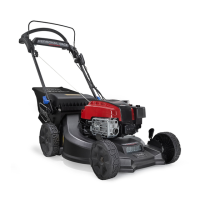
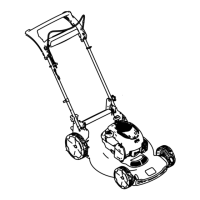
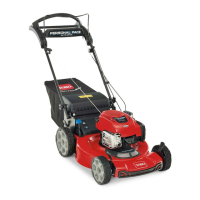
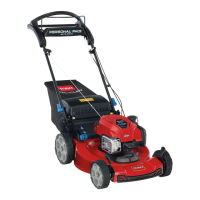
Identifies main parts like handle, engine, and deck.
Information on optional parts to enhance mower capabilities.
Essential safety checks before starting the mower.
Guidelines for safe fueling and precautions.
Procedure to ensure the engine has the correct oil level.
How to set the handle to a comfortable operating height.
Warning about hand contact with the moving blade.
Warning about potential burns from the hot engine muffler.
Safety practices to follow while operating the mower.
Specific safety advice for mowing on uneven terrain or slopes.
Guides for starting and safely shutting off the mower.
Guide on operating the self-propel feature of the mower.
Instructions for clipping management and bag attachment.
Instructions for detaching the grass bag.
Tips for efficient and effective mowing.
Advice on optimal grass and leaf cutting methods.
Safety precautions to take after finishing mowing.
Methods for cleaning the underside of the machine.
Critical warning about fuel hazards when storing.
Caution regarding potential damage when folding the handle.
Overview of maintenance tasks, intervals, and safety.
Steps to take before starting any maintenance work.
Procedure for cleaning or replacing the air filter.
Step-by-step guide for replacing the engine oil.
Instructions for safely replacing the cutting blade.
Critical safety warning about the sharpness of the blade.
Guide for tuning the self-propel mechanism for optimal performance.
Safety rules and steps for storing the mower.
Procedures after taking the mower out of storage.
This document is the Operator's Manual for the Toro 21in Super Recycler Lawn Mower, Model No. 21565. It provides comprehensive instructions for the safe and effective operation and maintenance of this residential walk-behind lawn mower.
The Toro 21in Super Recycler Lawn Mower is designed for residential homeowners to cut grass on well-maintained lawns. Its primary function is to efficiently cut and manage grass clippings, offering both recycling (mulching) and bagging capabilities. The "Super Recycler" designation highlights its advanced mulching system, which is designed to finely cut grass and leaf clippings and return them to the lawn as natural fertilizer. This feature aims to reduce the need for bagging and disposal, promoting a healthier lawn. The mower is equipped with a rotary blade and is operated by walking behind it, guiding it across the lawn.
The mower is designed for ease of use and operator comfort. It features an adjustable handle height, allowing users to set the handle to a comfortable position for their stature, which can help reduce fatigue during operation. The cutting height is also adjustable, enabling users to select the desired grass length. This is particularly useful for adapting to different grass types, seasonal growth, and desired lawn aesthetics. The manual emphasizes setting all wheels to the same cutting height for an even cut.
Starting the engine involves holding the blade-control bar against the handle and pulling the recoil-start handle. The manual provides a note on the proper technique for pulling the recoil-start handle, advising a light pull until resistance is felt, followed by a sharp pull, and allowing the rope to return slowly. For safety, the engine and blade are designed to shut off within 3 seconds of releasing the blade-control bar. If this safety mechanism fails, users are instructed to stop using the machine immediately and contact an Authorized Service Dealer.
The mower includes a self-propel drive system, which assists the operator by moving the machine forward automatically. This feature reduces the physical effort required to push the mower, making it easier to cover larger areas or navigate slopes. The self-propel drive is engaged by simply walking with hands on the upper handle, allowing the machine to keep pace with the operator. The manual also provides guidance for disengaging the wheel drive if the machine does not freely roll backward after self-propelling.
The mower offers two primary methods for managing grass clippings: recycling and bagging. The machine comes from the factory ready to recycle clippings, which involves finely cutting and dispersing them back into the lawn. For bagging, a grass bag can be installed to collect clippings and leaves. The manual provides detailed instructions for installing the grass bag, including raising the rear deflector and removing the rear-discharge plug. Conversely, instructions for removing the grass bag and installing the discharge plug for recycling are also provided.
Operating tips cover various aspects of mowing, such as inspecting the area for objects, avoiding striking solid objects, and being cautious of wet grass and leaves. It recommends cutting only about a third of the grass blade at a time and adjusting mowing speed and height for optimal results, especially when dealing with tall grass or leaves. The manual also advises alternating mowing direction for even fertilization and improved lawn appearance.
Regular maintenance is crucial for the longevity and safe operation of the Toro lawn mower. The manual provides a recommended maintenance schedule, outlining tasks to be performed before each use or daily, after each use, every 25 hours, yearly, and yearly or before storage.
Key maintenance procedures include checking and adding engine oil. The manual provides a detailed, step-by-step visual guide for checking the engine-oil level, emphasizing the importance of maintaining the correct oil level to prevent engine damage. It specifies the type of oil (SAE 30 or SAE 10W-30 detergent oil, API service classification SJ or higher) and the engine oil capacity.
Servicing the air filter is another important maintenance task. The manual instructs users on how to unclip the air-filter cover, remove and inspect the air filter, and clean it by gently tapping it on a hard surface to loosen debris. If the filter is excessively dirty, replacement is recommended.
Changing the engine oil is a yearly maintenance task. The manual advises running the engine for a few minutes to warm the oil, as warm oil flows better and carries more contaminants. It provides instructions for removing the dipstick, tipping the machine to drain used oil, and refilling with new oil.
Replacing the blade is a yearly service interval, or more frequently if the blade edge dulls quickly or if it is damaged. The manual warns that the blade is sharp and instructs users to wear gloves when servicing it. It provides steps for holding the blade steady with a block of wood, removing the old blade, and installing a new one, emphasizing the correct positioning of the curved ends of the blade and the use of a torque wrench to tighten the blade bolt to the specified torque.
For self-propel-drive models, the manual includes instructions for adjusting the self-propel drive cable tension. This adjustment ensures optimal traction and performance of the self-propel system.
Cleaning under the machine is recommended after each use to prevent rust and maintain performance. The manual describes a method for cleaning the underside by lowering the cutting height, moving the machine to a paved surface, and spraying water in front of the right rear wheel while the engine is running and the blade is engaged.
The manual provides detailed instructions for preparing the machine for storage, especially for seasonal or extended periods. This includes adding fuel stabilizer to the fuel on the last refueling of the year and running the machine until the engine shuts off from running out of fuel, ensuring the fuel system is dry. It also advises disconnecting the spark-plug wire, adding engine oil through the spark-plug hole, and pulling the starter rope slowly to distribute oil, which helps prevent cylinder corrosion during off-season storage.
A unique storage feature is the ability to store the machine in a vertical-stow position to minimize storage space. The manual provides specific safety warnings related to vertical storage, particularly concerning fuel leakage if the fuel tank level is too high. It instructs users to ensure the fuel level is at or below the recommended level and to adjust the cutting height to 92 mm (3-5/8 inches) or lower before vertical storage. Instructions for folding the handle and routing cables are also included to prepare the machine for vertical storage.
Removing the machine from storage involves checking and tightening fasteners, removing the spark plug and spinning the engine to blow out excess oil, reinstalling the spark plug, performing any necessary maintenance, checking the engine-oil level, filling the fuel tank with fresh fuel, and connecting the spark-plug wire.
Throughout the manual, safety is a paramount concern, with numerous warnings and precautions highlighted by the safety-alert symbol. It emphasizes reading and understanding all instructions, keeping hands and feet away from moving parts, and ensuring all guards and safety devices are in place. Fuel safety is also heavily stressed due to its flammability and explosiveness.
 General
| Deck Material | Cast Aluminum |
|---|---|
| Mulching Capability | Yes |
| Bagging Capability | Yes |
| Side Discharge | Yes |
| Start Type | Recoil |
| Fuel Capacity | 0.25 gallons |
| Drive System | Personal Pace |
| Cutting Height | 1.0 - 4.0 inches |
| Wheel Size | 8 inches front, 10 inches rear |
| Engine | 163cc Briggs & Stratton® EXi 725 Series™ Engine |




 To Next Page