EasyManua.ls Logo

typical GC6-6 - User Manual

typical GC6-6
56 pages
Print Icon
To Next Page IconTo Next Page
Loading...
GC6-6
//
GC6-7
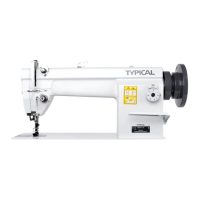
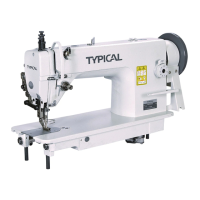
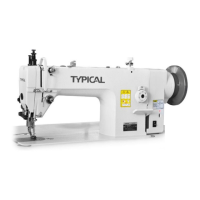
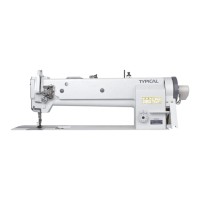
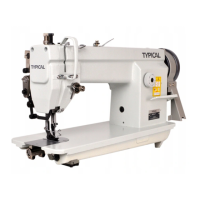
COMPOUND FEED LOCKSTITCH SEWING MACHINE
3-FACH-TRANSPORT DOPPELSTEPPSTICH-NÄHMASCHINE
INSTRUCTION BOOK // PARTS CATALOGUE

Table of Contents

Questions and Answers

  • A
    ariana82Aug 1, 2025
    Why is my typical Sewing Machine needle breaking?
    • N
      Nicole ChristianAug 1, 2025
      A typical Sewing Machine needle might break due to several reasons. It could be that the needle is too thin or bent, in which case you should change it. Avoid pushing or pulling the material while sewing; instead, gently support it. Also, ensure the weight of the sewing material is appropriate according to the technical specifications.
  • H
    Heidi FlowersAug 7, 2025
    What to do if the needle thread keeps breaking on my typical GC6-6 Sewing Machine?
    • W
      wmedinaAug 7, 2025
      If the needle thread is breaking, it could be due to wrong needle threading. Also, the needle thread tension might be too strong, so try changing the thread. Another reason could be poor thread quality, in this case, change the needle.
  • R
    rebekah23Aug 13, 2025
    Why is the bobbin thread breaking on my typical GC6-6 Sewing Machine?
    • J
      John TorresAug 13, 2025
      The bobbin thread might be breaking because the bobbin thread tension is too strong, in which case you should weaken it. Another cause could be that the thread was wound on the bobbin flabbily and unevenly; try winding the bobbin again. Also, the needle hole of the throat plate could be too rough or worn; consider changing the throat plate or polishing the needle hole with #O emery cloth.
  • J
    Jeffrey VillegasAug 19, 2025
    How to prevent puckering when sewing with my typical GC6-6?
    • R
      Richard MartinezSep 12, 2025
      Puckering can occur if the material is too light and the stitch length is too long; adjust accordingly. Also, excessive thread tension on the needle and bobbin can cause puckering; adjust the tension regulating thumb nut, thread take-up spring, and bobbin case tension spring screw. Finally, too much pressure on the presser foot can lead to puckering; loosen the pressure regulating thumb screw.
  • Y
    ygarrettAug 25, 2025
    What to do if my typical GC6-6 Sewing Machine is producing loose stitches?
    • Q
      qlittleAug 25, 2025
      Loose stitches can result from an unsuitable adjustment of needle thread tension and bobbin thread tension. Readjust both. No answer.

Summary

Brief Introduction

Main Specifications

Installation and Preparation

Installation

Steps for setting up the sewing machine, including placement and component assembly.

Preparation

Pre-operation checks such as cleaning, examination, and lubrication before use.

Operation

Selection of the Thread

Guidance on choosing appropriate sewing thread based on material and stitch type.

Coordination between Needle, Thread, and Sewing Material

Matching needle, thread, and material for optimal sewing performance.

Installing the Needle

Instructions for correctly inserting the sewing needle into the machine.

Winding the Bobbin Thread

Process of winding thread onto the bobbin for use in the machine.

Threading the Needle Thread and Drawing the Bobbin Thread

Step-by-step guide for threading the machine and bringing up the bobbin thread.

Setting the Bobbin

Proper placement of the wound bobbin into the bobbin case.

Installing the Bobbin Case

Correct procedure for installing the bobbin case into the sewing machine.

Setting Stitch Length and Reverse Sewing

Adjusting stitch length and performing reverse sewing operations.

Adjusting Thread Tension

Adjusting the Thread Take-up Spring

Adjusting tension and swing range of the thread take-up spring for balanced stitches.

Adjusting the Thread Guide

Positioning the thread guide according to material weight for quality sewing.

Adjusting the Tension of Needle Thread and Bobbin Thread

Fine-tuning needle and bobbin thread tension for optimal stitch formation.

Adjustment

Timing Between Needle and Rotating Hook Motion

Synchronizing needle and rotating hook for proper stitch formation.

Adjusting the Feed Dog

Adjusting feed dog height and position for effective material feeding.

Adjusting the Tension Releasing Mechanism

Adjusting the opening timing of the tension discs.

Adjusting the Pressure of Presser Foot

Setting presser foot pressure based on material type for consistent sewing.

Adjusting Top Feed Mechanism

Adjusting top feed amount and presser foot lift for various sewing styles.

Periodical Cleaning

Cleaning the Feed Dog

Removing dust and lint from the feed dog.

Cleaning the Rotating Hook

Cleaning the rotating hook and bobbin case.

Trouble-shooting

Model GC6-6 Arm and Bed

Model GC6-7 Arm and Bed

Model GC6-6 Needle Bar And Thread Take-up

Model GC6-7 Needle Bar And Thread Take-up

Arm Shaft And Vertical Shaft

Rotating Hook And Its Shaft

Stitch Length Regulating

Bottom Feed

Model GC6-6 Presser Bar

Model GC6-7 Presser Bar

Model GC6-6 Top feed

Model GC6-7 Top feed

Lubrication

Drip Pan And Knee Lifter

Accessories

typical GC6-6 Specifications

General IconGeneral
Brandtypical
ModelGC6-6
CategorySewing Machine
LanguageEnglish

Related product manuals