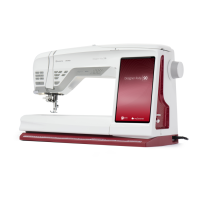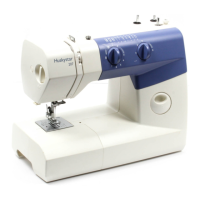
What to do if the screen of my Viking Sewing and Embroidery Machine does not respond to touch?
- LLisa SullivanSep 10, 2025
If the screen of your Viking Sewing and Embroidery Machine does not respond to touch, turn the machine OFF and then ON again.
What to do if the screen of my Viking Sewing and Embroidery Machine does not respond to touch?
If the screen of your Viking Sewing and Embroidery Machine does not respond to touch, turn the machine OFF and then ON again.
What type of needle should I use for my Viking Sewing Machine?
If you're having issues with your Viking Sewing Machine, use needle system 130/705 H. Use a needle suitable for selected fabric and thread.
Why isn't the fabric feeding through my Viking Designer EPIC Sewing Machine?
If the fabric isn't feeding through your Viking Sewing Machine, check that the machine isn't set for free motion sewing. Also, verify that the feed teeth are not set to the down position in the settings menu.
Why does the seam have uneven stitches on my Viking Sewing Machine?
If your Viking Sewing Machine is producing seams with uneven stitches, check the needle thread tension. Also, try removing the thread completely and rethreading the machine.
Why is the thread cutter not working on my Viking Designer EPIC Sewing Machine?
If the thread cutter on your Viking Sewing Machine isn't cutting the thread, remove the needle plate and clean lint from the bobbin area. Also, make sure the automatic thread cutter is enabled in the settings menu.
What to do if the bobbin area of my Viking Designer EPIC is full of lint?
If the bobbin area of your Viking Sewing Machine is full of lint, clean it and use only the original bobbins approved for this model.
What does 'The automatic needle threader seems to be blocked' mean on my Viking Designer EPIC?
If you receive this pop-up message on your Viking Sewing Machine, touch OK to go to manual cleaning.
What to do if my Viking Sewing Machine cannot synchronize files with the mySewnet™ cloud?
If your Viking Sewing Machine cannot synchronize files with the mySewnet™ cloud, make sure that you have a working WiFi connection.
What to do if the fabric is moving up and down with the needle when free motion sewing or embroidering with my Viking Designer EPIC Sewing Machine?
If the fabric is moving up and down with the needle when free motion sewing or embroidering with your Viking Sewing Machine, attach the Sensor Q-Foot.
What to do if the thread slides down and gets caught under the thread spool of my Viking Designer EPIC Sewing Machine?
If the thread slides down and gets caught under the thread spool of your Viking Sewing Machine, place the large spool holder with the flat side up under the spool on the spool pin, or for larger spools, use a thread net over the spool.
Provides a detailed illustration of the sewing machine's components.
Explains the purpose and operation of the machine's main control buttons.
Details how to navigate the touch screen interface using finger gestures.
Lists and describes the various included accessories for the sewing machine.
Instructions for connecting power and foot pedal.
Guide to connecting the machine to wireless services.
Instructions for winding a bobbin with thread.
Steps for correctly placing the bobbin in the machine.
Details the components and attachment of the embroidery unit.
Explains the different parts of the embroidery hoop system.
Steps for attaching the embroidery unit to the sewing machine.
Instructions for properly hooping fabric for embroidery.
Explains basic touch screen interaction methods like touch, hold, pinch.
Describes the context-sensitive menu for editing options.
Details frequently used on-screen buttons like OK, Cancel, Edit.
Describes the function icons located in the top bar of the screen.
Overview of the machine's wireless connectivity features.
Steps to connect the machine to a wireless network.
Procedure for updating the machine's software wirelessly.
Explains the various online services available for the machine.
Overview of the advisory feature and its components.
Guide to selecting fabrics and techniques for sewing.
Guide to selecting techniques for embroidery projects.
Access to guides for stabilizers, quick starts, and instructions.
Initial steps to begin sewing on the machine.
Explains the interface and functions available in sewing mode.
How to adjust parameters like width, length, and density.
Feature to automatically save sewing progress.
Interface for adjusting, combining, and saving designs.
How to import designs from various sources into the editor.
Tool for organizing and accessing saved embroidery files.
Feature to arrange designs in various patterns or shapes.
Introduction to the stitch out process and interface.
Review of current settings before starting embroidery.
Displays color sequence and thread information for the design.
Feature to precisely place designs on the fabric.
Introduction to creating custom stitch programs.
Steps for building a new stitch sequence.
How to modify existing stitch programs.
Adding commands like stop, fix, and thread cuts to programs.
Allows project-specific adjustments to sewing parameters.
Allows project-specific adjustments to embroidery parameters.
Sets default parameters for new sewing projects.
General machine configurations like language and screen settings.
Explains the function and interface of the file management system.
How to navigate and view files stored on the machine or USB.
Steps for loading or accessing files and folders.
Instructions for managing files and creating folders.
Guide for maintaining the machine's external surfaces.
Steps for accessing and cleaning the bobbin area.
Solutions for common operational issues and errors.
Details on the machine's electrical and physical specifications.
Critical safety guidelines for using the sewing machine.
Reminder to keep the safety instructions for future reference.
Information regarding the maintenance of double-insulated products.
Provides a detailed illustration of the sewing machine's components.
Explains the purpose and operation of the machine's main control buttons.
Details how to navigate the touch screen interface using finger gestures.
Lists and describes the various included accessories for the sewing machine.
Instructions for connecting power and foot pedal.
Guide to connecting the machine to wireless services.
Instructions for winding a bobbin with thread.
Steps for correctly placing the bobbin in the machine.
Details the components and attachment of the embroidery unit.
Explains the different parts of the embroidery hoop system.
Steps for attaching the embroidery unit to the sewing machine.
Instructions for properly hooping fabric for embroidery.
Explains basic touch screen interaction methods like touch, hold, pinch.
Describes the context-sensitive menu for editing options.
Details frequently used on-screen buttons like OK, Cancel, Edit.
Describes the function icons located in the top bar of the screen.
Overview of the machine's wireless connectivity features.
Steps to connect the machine to a wireless network.
Procedure for updating the machine's software wirelessly.
Explains the various online services available for the machine.
Overview of the advisory feature and its components.
Guide to selecting fabrics and techniques for sewing.
Guide to selecting techniques for embroidery projects.
Access to guides for stabilizers, quick starts, and instructions.
Initial steps to begin sewing on the machine.
Explains the interface and functions available in sewing mode.
How to adjust parameters like width, length, and density.
Feature to automatically save sewing progress.
Interface for adjusting, combining, and saving designs.
How to import designs from various sources into the editor.
Tool for organizing and accessing saved embroidery files.
Feature to arrange designs in various patterns or shapes.
Introduction to the stitch out process and interface.
Review of current settings before starting embroidery.
Displays color sequence and thread information for the design.
Feature to precisely place designs on the fabric.
Introduction to creating custom stitch programs.
Steps for building a new stitch sequence.
How to modify existing stitch programs.
Adding commands like stop, fix, and thread cuts to programs.
Allows project-specific adjustments to sewing parameters.
Allows project-specific adjustments to embroidery parameters.
Sets default parameters for new sewing projects.
General machine configurations like language and screen settings.
Explains the function and interface of the file management system.
How to navigate and view files stored on the machine or USB.
Steps for loading or accessing files and folders.
Instructions for managing files and creating folders.
Guide for maintaining the machine's external surfaces.
Steps for accessing and cleaning the bobbin area.
Solutions for common operational issues and errors.
Details on the machine's electrical and physical specifications.
Critical safety guidelines for using the sewing machine.
Reminder to keep the safety instructions for future reference.
Information regarding the maintenance of double-insulated products.
| Stitch Width | 9 mm |
|---|---|
| USB Ports | Yes |
| Needle Positions | 37 |
| Automatic Thread Cutter | Yes |
| Integrated Dual Feed Technology | Yes |
| Type | Sewing and Embroidery Machine |
| Built-in Embroidery Designs | Over 650 |
| Needle Threader | Automatic |
| Knee Lifter | Yes |
| Sewing Speed | Up to 1, 050 stitches per minute |
| Embroidery Area | 360 mm |
| Embroidery Speed | Up to 1, 000 stitches per minute |
| Bobbin System | Top-loaded bobbin |
| Presser Feet | Included |
| Dimensions | 300 mm |
| Weight | Approximately 29 kg |