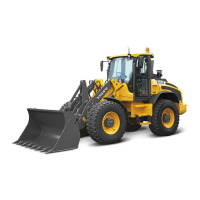
This document is a workshop service and repair manual for the Volvo L70E Wheel Loader, providing comprehensive information for its operation, maintenance, and repair.
Function Description
The Volvo L70E is a wheel loader, a heavy equipment machine used primarily in construction, mining, and other industries for scooping, lifting, and moving materials such as sand, gravel, dirt, and rock. It features a large front-mounted bucket connected to a boom and linkage system. The machine is designed for robust performance and efficiency in demanding work environments.
Important Technical Specifications
While specific numerical specifications are not detailed in the provided excerpts, the manual implies several key technical aspects:
- Engine: Equipped with a diesel engine, requiring proper ventilation when operated indoors due to exhaust hazards.
- Hydraulic System: Features a hydraulic system with pressurized lines and tanks, necessitating careful depressurization during service to prevent injury.
- Brake System: Includes a brake system that requires depressurization before servicing.
- Steering: The machine is equipped with a steering wheel and may have an electric secondary steering pump.
- Safety Structures: The cab is designed with a Roll Over Protective Structure (ROPS) and Falling Object Protective Structure (FOPS), meeting ISO 3471-1 and ISO 3449 standards, respectively. These structures are critical for operator safety in case of roll-over or falling objects.
- CE-marking: The machine is CE-marked, indicating compliance with EU "Essential Health and Safety Requirements" and the Machine Safety Directive (98/37/EC). This also covers Electromagnetic Compatibility (EMC) and noise directives, ensuring the machine's electronic equipment does not interfere with other devices and that noise levels are within permitted limits.
- Lifting Capacity: The manual emphasizes using lifting equipment with a capacity at least equal to the weight of the part being lifted, indicating significant lifting capabilities.
- Support Equipment: Requires specific support tools like "Support 999 3831" (2 pcs. L330, L350) for securing the boom during maintenance.
Usage Features
The manual outlines several important usage features and operational guidelines:
- Operator's Manual: Emphasizes that the operator's manual must always be kept in the cab and thoroughly read before operating the machine.
- Safety Precautions: Operators must follow all safety instructions, including wearing personal protective equipment (hard hat, goggles, gloves, work shoes), avoiding standing near the machine when the engine is running, and using steps and handrails when entering/leaving the cab.
- Starting Procedures: Before starting, operators must perform a control light test, conduct all safety checks, and ensure sufficient ventilation if starting indoors.
- Seatbelt Use: The hip-type seatbelt must be used during all operation and replaced if worn or damaged. Modifications to the seatbelt or its mountings are prohibited.
- Attachment Handling: The attachment/attachment bracket should rest on the ground when leaving the machine unattended. It should be emptied and tilted back before operating on a road.
- Frame Joint Lock: The frame joint lock must be connected when working near the frame joint and unlocked for operation.
- Emergency Exits: The cab has two emergency exits: the door and the right side window.
- Environmental Considerations: Emphasizes avoiding unnecessary spills of oils and fuel, and ensuring proper disposal of waste oils/fluids by authorized companies.
Maintenance Features
The manual provides extensive guidance on maintenance, highlighting safety and proper procedures:
- Service Position: Before any service work, the machine must be parked on a level, hard surface and placed in a specific "service position." This involves resting the attachment on the ground, applying the parking brake, turning off the engine, removing the ignition key, depressurizing hydraulic lines and pressure tanks, attaching a warning flag to the steering wheel, connecting the frame joint lock, blocking wheels with wedges, and allowing the machine to cool down.
- Qualified Personnel: Only individuals with correct skills and knowledge of the machine should perform service work.
- Genuine Parts: Emphasizes the use of genuine Volvo spare parts to maintain safe and efficient function and to ensure warranty claims are honored.
- Protective Equipment: Workers must wear appropriate protective clothing and equipment, including hard hats, safety glasses, gloves, and work shoes.
- Cleanliness: Stepping surfaces, service areas, handles, and slip-protection must be kept clean and free from oil, diesel fuel, dirt, and ice. Defective slip-protection must be replaced.
- Engine Covers: Engine covers, radiator casing, etc., should be closed when the engine is running and when the machine is operating. They should be turned off before opening for service.
- Fluid Handling: Special care must be taken when handling hot oils and corrosive fluids (engine, hydraulic, transmission oils, diesel fuel) to prevent burns, scalding, and contact with mucous membranes. Protective work gloves are required.
- Structural Integrity: Prohibits drilling, welding, or cutting into the cab structure or making unauthorized modifications to ROPS/FOPS, as this can impair operator protection and void certification.
- Noise Dampening: Modification or removal of noise-insulating, noise-dampening, or noise-absorbing materials is not allowed, nor is making openings/holes in the cab or engine compartment, as this may increase noise levels.
- Communication Equipment: Installation of communication equipment (two-way radio, mobile phone) must follow manufacturer's instructions to avoid interference with electronic systems.
- Regular Checks: Regular checks of slip-protection are required to ensure they are firmly attached.
- Defect Repair: Malfunctions or defects affecting safety must be repaired as soon as possible.
- Work Handoff: If a job is handed over, the new worker must be fully informed about the completed and remaining tasks.

 Need help?
 General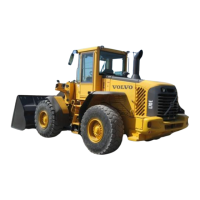

 To Next Page