Sound Parameters – Oscillator Section
Waldorf microQ User´s Manual 66
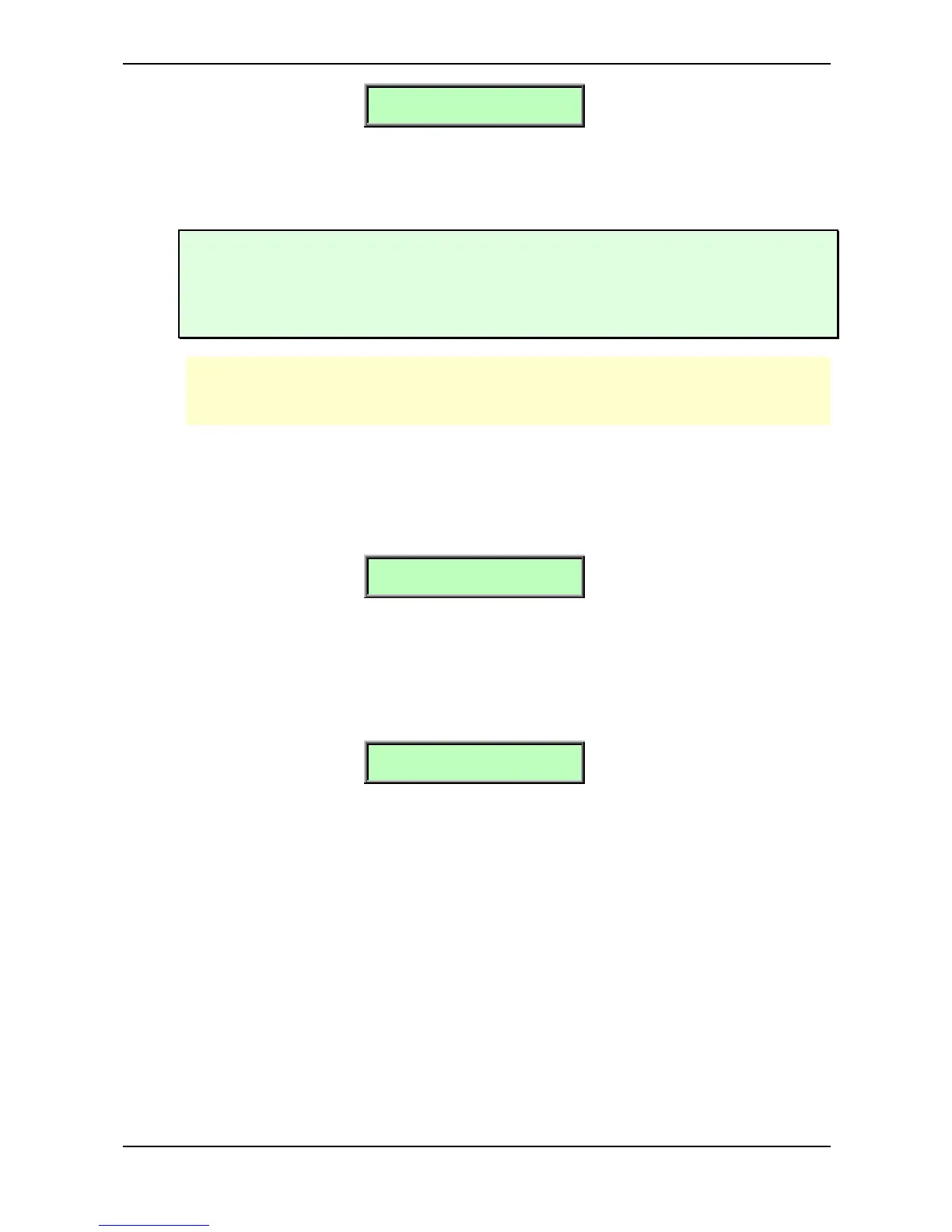
Pitch Src!Pitch Mod
Off | +00
Pitch Src (Pitch Source)see Table “Fast Modulation Sources”
Selects the source of the pitch modulation for all oscillators. A common source for pitch modulation
is an LFO whose strength is controlled by the modwheel or aftertouch.
To create a common pitch vibrato that is controlled by the modwheel, set Pitch Source to
LFO1*MW with Pitch Mod set to around +20.
To create a sound whose pitch glides in, set Pitch Source to a decaying Envelope with
PitchMod set to around –25.
If you want to modulate the pitch of individual oscillators, you can do so with the Fast
Modulation Matrix or Standard Modulation Matrix, which can be accessed through the
Mod Matrix section. See the respective section for details.
Pitch Mod -64…+63
Sets the amount of pitch modulation for all oscillators. Positive amounts will raise the pitch when
positive modulation is applied, e.g. by pressing aftertouch on the keyboard. Negative amounts will
lower the pitch when positive modulation is applied.
Glide
Off
Glide off / on
Enables or disables the Glide effect. "Glide" or "Portamento" describes the continuous gliding from
one note to another. This effect can be created on fretless stringed instruments or some brass
instruments (e.g. trombone). It is very common on synthesizers and used throughout all music styles.
Please note that Glide affects the pitch of all oscillators.
GlideMode! Rate
Porta | 064
Glide Mode Portamento / Fingered Portamento / Glissando / Fingeres Gliss
Determines the way the Glide effect works.
• Portamento means that a continuous glide is performed on all new notes.
• Fingered Portamento means that a continuous glide is performed only when notes are played
legato. Staccato played notes start on the exact pitch of their note.
• Glissando makes the normal Glissando effect in the same manner by changing the pitch in
semitones.
• Fingered Gliss is similar to Glissando but generates a pitchchange only when notes are
played legato.



 To Next Page