
 Need help?
Do you have a question about the Webasto 700 Series and is the answer not in the manual?
Steps for preparing the vehicle, including removing stiffeners and inner roof panel.
Steps for preparing the sunroof kit, such as adapting bonding flaps and mounting components.
Instructions for routing the front drain hoses through the A-pillar and to the exit point.
Instructions for routing the rear drain hoses through the C-pillar and to the exit point.
Details on attaching braces and the need for extra supports during installation.
Information on wire color, fuse, and chassis connections for the sunroof system.
Guidance on using the existing headliner and modifying it for the sunroof.
Key considerations like tight fit, roof stiffener replacement, and rib modification.
Specific guidance for rear drains and A-pillar modifications.
Tips for foam removal, air duct modification, and dome lamp leveling.
Resolution for installing drain tubes through foam-filled A-pillars using a cable and drill.
Solution for reinstalling headliner air deflectors by removing extensions first.
Method to ensure correct headliner fit by installing a screw through the headliner board.
Fix for an uneven dome lamp and sunroof switch using foam pieces.
Recommendation to use a pan extender to hide sunroof motor bracket corners.
The Webasto Product North America Inc. 700 Series Sunroof V.S.W. is a specialized sunroof system designed for installation in the Dodge Durango SUV model, specifically for the 2004 model year. This document provides comprehensive instructions and troubleshooting for the installation and maintenance of this particular sunroof, highlighting vehicle-specific challenges and recommended solutions.
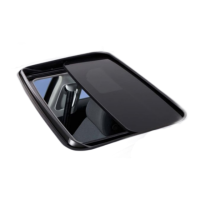
The primary function of the Webasto 700 Series Sunroof is to provide an open-air driving experience for the Dodge Durango, allowing occupants to enjoy sunlight and fresh air. It is an aftermarket accessory that integrates into the vehicle's roof structure, replacing a section of the original roof with a movable glass panel. The sunroof is designed to operate smoothly, offering various open positions to suit user preferences. It includes a motor for powered operation, a control switch for user interaction, and a drainage system to manage water runoff, ensuring the vehicle's interior remains dry. The system is engineered to maintain the structural integrity of the vehicle's roof while providing the added functionality of a sunroof.
The sunroof system is designed for ease of use and seamless integration into the Dodge Durango's interior. It features a powered operation, controlled by a dedicated switch, which allows for effortless opening and closing of the glass panel. The control switch is typically located in a convenient position, often near the dome lamp or in the dash, for easy access by the driver or front passenger. The sunroof likely offers multiple open positions, such as a full slide-back for maximum exposure or a tilt-up vent for ventilation without full opening. The design aims to blend aesthetically with the vehicle's existing headliner and interior components, providing a factory-installed look and feel. The system's electrical components are integrated with the vehicle's power supply, ensuring reliable operation. The drainage system is a critical usage feature, designed to channel water away from the sunroof opening and out of the vehicle, preventing leaks into the cabin. This system relies on drain hoses routed through the vehicle's pillars, which are carefully installed to ensure effective water management. The overall design prioritizes user comfort and convenience, enhancing the driving experience with the option of an open roof.
The Webasto 700 Series Sunroof system incorporates several design considerations for maintenance and longevity, though the document primarily focuses on installation. During installation, specific attention is paid to the routing of drain hoses, which is crucial for preventing water leaks and is a key maintenance-related aspect. The document details how to properly route these hoses through the A-pillar and C-pillar, including drilling necessary entry and exit holes, and ensuring they exit into appropriate areas to prevent water accumulation within the vehicle's structure. This meticulous installation of the drainage system is a preventative maintenance measure, ensuring long-term functionality.
The document also addresses potential issues that may arise during installation, which, if not properly handled, could lead to future maintenance concerns. For example, the issue of the headliner's sides not fitting correctly after installation is resolved by installing a three-inch screw through the original headliner board. This ensures the headliner maintains its proper form, preventing sagging or misalignment that might require future adjustments. Similarly, the unevenness of the dome lamp with the sunroof switch is corrected by inserting foam pieces, which helps maintain the aesthetic and functional integrity of the overhead console, reducing the likelihood of future repairs related to loose or misaligned components.
The recommendation for a pan extender is another maintenance-related feature, as it helps hide the corners of the sunroof motor bracket through the headliner. This not only improves aesthetics but also protects the motor bracket from potential damage or exposure, contributing to the system's durability.
While the document does not explicitly detail routine user maintenance (e.g., cleaning seals, lubricating moving parts), the emphasis on correct installation procedures, such as proper bracing and electrical connections, lays the groundwork for a reliable and low-maintenance sunroof system. The use of standard procedures and specific instructions for bracing, including attaching rear braces and potentially adding extra supports, ensures the structural integrity of the sunroof installation, which is fundamental to its long-term performance and minimizes the need for structural repairs. The detailed instructions for adapting bonding flaps and trimming frame rubber also contribute to a secure and sealed installation, preventing issues that would otherwise require maintenance. The document's focus on addressing vehicle-specific challenges during installation, such as foam removal in the A-pillar for drain tubes and proper reinstallation of headliner air deflectors, are all critical steps that prevent future maintenance headaches and ensure the sunroof operates as intended for the life of the vehicle.
 General
| Fuel | Diesel |
|---|---|
| Rated Voltage | 12V/24V |
| Voltage | 12V/24V |
| Heating Power | 2.0 to 7.0 kW |
| Power Output | 2.0 to 7.0 kW |
| Heating Capacity | 7 kW |
| Weight | 5.9 kg |



 To Next Page