EasyManua.ls Logo

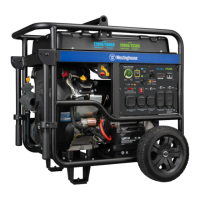
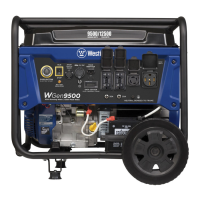
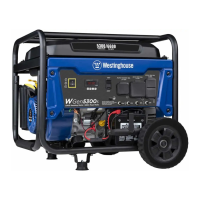
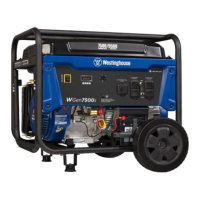
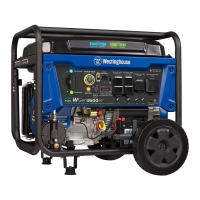
Westinghouse WGen10500TFc - User Manual

Westinghouse WGen10500TFc
37 pages
Print Icon
To Next Page IconTo Next Page
Loading...
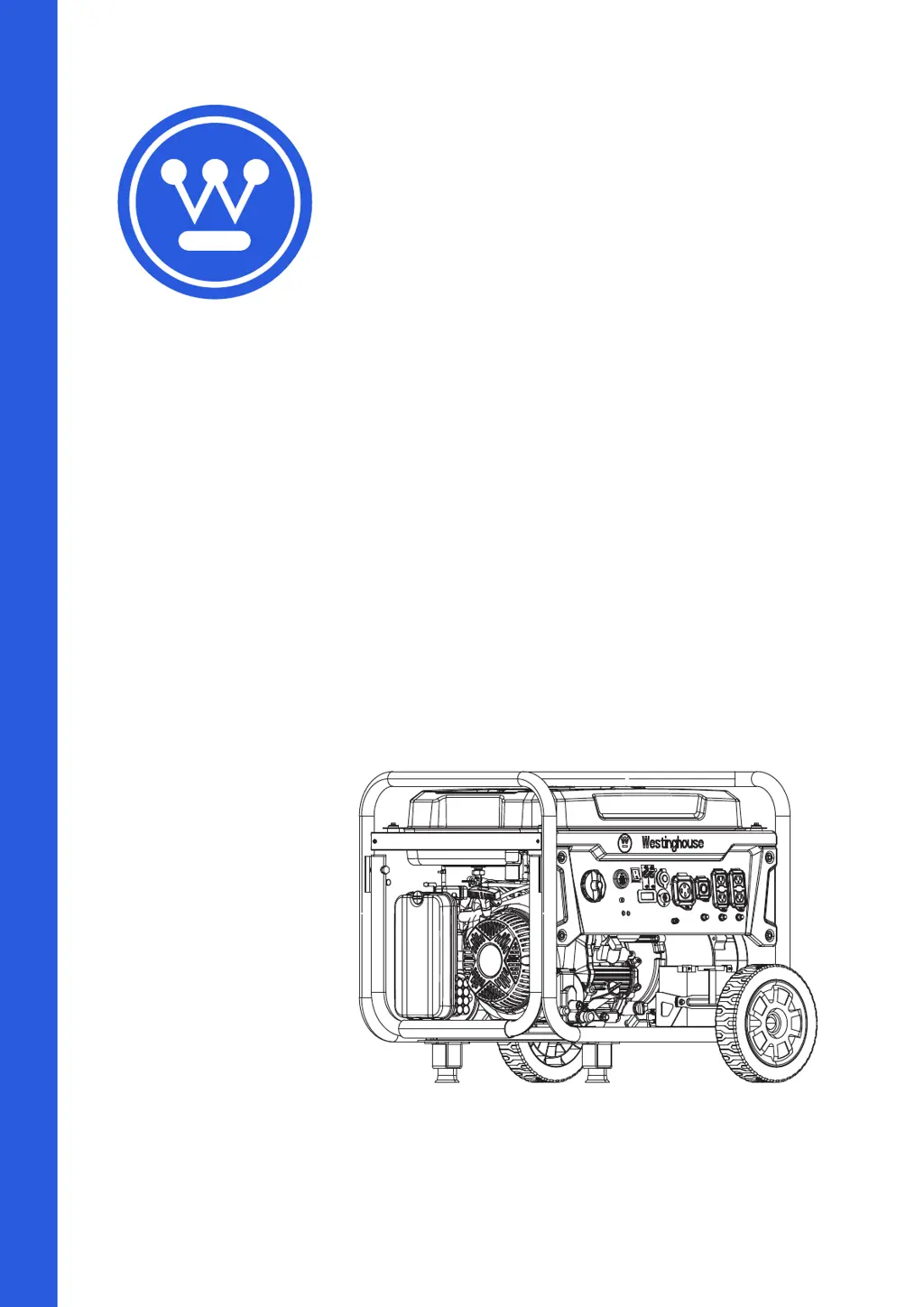
DO NOT RETURN THIS PRODUCT TO THE STORE
If you have questions or need assistance, please call customer service at 855-944-3571.
User
Manual
WGen10500TFc
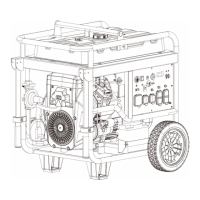
Portable Generator

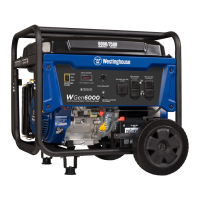
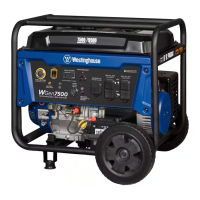
Other manuals for Westinghouse WGen10500TFc

Questions and Answers

  • D
    daniel28Aug 13, 2025
    How to fix a Westinghouse WGen10500TFc Portable Generator engine that lacks power?
    • D
      Dr. Lee JohnsonAug 13, 2025
      If your Westinghouse Portable Generator engine lacks power, start by checking the air filter and clean or replace it if it's restricted. Also, ensure that the choke lever is in the correct position.
  • T
    Tara WilliamsAug 19, 2025
    What to do if my Westinghouse WGen10500TFc Portable Generator engine runs rough?
    • A
      Ashlee BlackAug 19, 2025
      If your Westinghouse Portable Generator engine runs rough or bogs when a load is applied, start by cleaning the air filter. If the generator is overloaded, unplug some devices. Also, the power tool or appliance you're using could be faulty; replace or repair it, then stop and restart the engine.
  • R
    Robert JohnsonAug 25, 2025
    Why does my Westinghouse WGen10500TFc Portable Generator start then shut down?
    • J
      John SmithAug 26, 2025
      Your Westinghouse Portable Generator might start and then shut down due to several reasons. The fuel level might be low, so add gasoline, connect the natural gas hose, or connect the propane cylinder. The engine oil level may be too low, which can stop the generator; fill the oil to the proper level and ensure the generator is on a flat surface. A dirty air filter can also cause this issue, so clean it. If the fuel source is contaminated, drain the gasoline and refill the fuel tank, replace the propane cylinder, or have a professional clean the natural gas line.
  • A
    Ashley MorrisAug 31, 2025
    What to do if my Westinghouse Portable Generator has no power at AC receptacles?
    • J
      Joshua WatsonAug 31, 2025
      If there's no power at the AC receptacles of your Westinghouse Portable Generator, begin by checking the AC loads and reset any tripped circuit breakers. If that doesn’t restore power, the power tool or appliance you are using might be faulty; try replacing or repairing it, then stop and restart the engine.
  • D
    Diana VegaNov 6, 2025
    What to do if my Westinghouse WGen10500TFc engine will not start?
    • G
      Gary MartinNov 6, 2025
      If your Westinghouse Portable Generator's engine won't start, several factors could be the cause. First, ensure that the fuel level is adequate by adding gasoline, connecting the natural gas hose, or connecting the propane cylinder. If the fuel is old, drain the gasoline tank and refuel with fresh gasoline. Also, check the air filter and clean it if it’s dirty. Make sure the engine oil level is sufficient and that the generator is on a level surface. If the spark plug is wet with fuel, wait five minutes, turn the fuel selector switch to the FUEL OFF position, and pull the recoil handle rapidly several times. If it still doesn’t start, remove the spark plug and dry it. Inspect the spark plug to ensure it is not faulty, fouled, or improperly gapped. Gap or replace the spark plug, then reinst...

Summary

Introduction and Product Information

Product Registration Guide

Guidance on registering your Westinghouse product for warranty coverage.

Accessing Product Manual Updates

Information on accessing the latest user manuals for Westinghouse products.

Generator Specifications Overview

Technical details of the generator, including voltage, power, fuel capacity, and dimensions.

Safety Guidelines and Precautions

Understanding Safety Definitions

Explanation of safety terms like DANGER, WARNING, CAUTION, and NOTICE used in the manual.

Interpreting Safety Symbols

Key safety alert symbols and their corresponding meanings.

Critical Operation Safety Instructions

Crucial safety guidelines for operating the generator, focusing on CO and electrical hazards.

Grounding and Neutral Bonding Procedures

Instructions on generator grounding and procedures for disconnecting the bonded neutral.

Safe Handling of Gasoline and Vapor

Precautions for handling gasoline and preventing fires or explosions.

LPG;Propane Fuel Safety

Safety guidelines for using liquid petroleum gas (LPG) or propane with the generator.

Natural Gas Fuel Safety

Safety guidelines for using natural gas with the generator.

Fuel Leak Testing Procedures

How to perform leak tests for natural gas and LPG/propane connections.

CO Sensor Functionality and Indicators

Details about the CO sensor, its function, and indicator lights.

Understanding Generator Safety Labels

Explanation of various safety labels and decals found on the generator.

Electrical System and Connections

Generator Capacity and Load Management

Understanding generator wattage and managing electrical loads for optimal performance.

Extension Cord Safety and Sizing

Guidelines for selecting and using extension cords safely with the generator.

Generator Components

Generator Components Overview

Identification and description of key generator parts and their functions.

Assembly and Setup

Unpacking and Initial Assembly

Procedure for removing carton contents and identifying included parts.

Installing Generator Feet and Wheels

Step-by-step guides for attaching the generator's support feet and wheels.

Connecting the Battery and Handle

Instructions for connecting the battery and adjusting the generator's handle.

Generator Operation

Safe Location and Operation Guidelines

Guidelines for safely locating and operating the generator, emphasizing ventilation and placement.

Engine Oil Level Check and Addition

Procedure for checking and adding the correct type and amount of engine oil.

Gasoline Fuel Requirements

Specifications and recommendations for the type of gasoline to use.

Fueling the Generator Safely

Instructions for adding gasoline, using fuel stabilizer, and safe fueling practices.

LP Gas Cylinder Requirements

Specifications and requirements for propane cylinders used with the generator.

Connecting LP Gas Cylinder to Generator

Step-by-step guide for connecting an LP gas cylinder to the generator.

Connecting Natural Gas Supply Line

Step-by-step guide for connecting the generator to a natural gas supply line.

Fuel Source Selection and High Altitude

How to switch fuel sources and considerations for operating at high altitudes.

Data Center and Key Fob Operation

Understanding the data center display and pairing the remote key fob.

Generator Break-In Period Guidelines

Proper procedures for the initial break-in period to ensure generator longevity.

Pre-Start Checks and Starting Procedures

Essential checks before starting and methods for starting the generator (recoil/remote).

Stopping the Generator and Circuit Breakers

How to safely stop the generator and understand circuit breaker functions.

Generator Ports, Transport, and Cleaning

Information on USB ports, transporting the unit, and cleaning the generator exterior.

Maintenance Procedures

General Maintenance Precautions

Important safety warnings and notices before performing any maintenance procedures.

Air Filter Maintenance

Procedure for cleaning or replacing the air filter for optimal engine performance.

Engine Oil Change Procedure

Step-by-step guide for changing the engine oil, including frequency and type.

Spark Plug Maintenance

Instructions for cleaning, gapping, and replacing the spark plug.

Spark Arrestor and Fuel System Draining

Procedures for cleaning the spark arrestor and draining the fuel tank and float bowl.

Fuel Valve Replacement

Instructions for replacing the fuel valve, including draining the fuel tank first.

Valve Clearance Adjustment

Procedure for checking and adjusting the engine valve clearance.

Battery Maintenance and Replacement

Guidelines for maintaining the battery and instructions for battery replacement.

Generator Storage Procedures

Recommended steps for storing the generator for various periods to prevent fuel system issues.

Generator Maintenance Schedule

A schedule of recommended maintenance tasks and their intervals.

Troubleshooting Common Issues

Common Problems and Solutions

A guide to diagnosing and resolving common issues encountered with the generator.

Electrical Schematics

Control Panel and Electrical Schematics

Diagrams illustrating the generator's control panel wiring and electrical system.

Westinghouse WGen10500TFc Specifications

General IconGeneral
ModelWGen10500TFc
TypePortable Generator
Starting Wattage10500 Watts
Running Wattage8500 Watts
Engine Displacement457 cc
Fuel TypeGasoline
Runtime at 25% Load12 Hours
Runtime at 50% Load9 Hours
AC Output120/240V
Max AC Output10500 Watts
Rated AC Output8500 Watts
DC Output12V 8.3A
Wheel KitIncluded
Battery IncludedYes
CARB CompliantYes
Noise Level72 dBA
Engine Type4-stroke OHV
Fuel Tank Capacity6.6 Gallons
Starting SystemElectric / Recoil
Outlets(1) L14-30R 120/240V 30A, (1) 14-50R 120/240V 50A
Warranty3 Years

Related product manuals