
 Need help?
Do you have a question about the Whelen Engineering Company SAK1 and is the answer not in the manual?
Details on attaching the siren speaker to its mounting bracket using provided hardware.
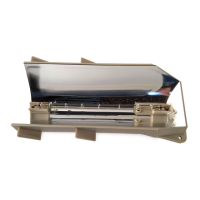
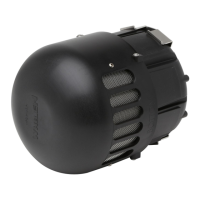
This document describes the installation and use of a Whelen emergency vehicle warning device, specifically a SA315 Siren Speaker Bracket designed for 2021+ Chevy Tahoe, 2021+ Suburban, and 2019+ Chevy Silverado 1500 models. The primary function of this device is to provide audible warning signals for emergency vehicles, alerting other drivers and pedestrians to their presence and operation. It is an integral component of an emergency vehicle's warning system, designed to project sound in a forward direction away from the vehicle occupants.
The device is intended for professional installation and use in emergency vehicles. Its core function is to enhance safety by making emergency vehicles more noticeable, particularly in high-stress, high-speed operational conditions. The siren produces extremely loud warning tones, which necessitates strict adherence to safety guidelines regarding hearing protection for operators and anyone in the immediate vicinity. The manufacturer emphasizes that proper installation, combined with operator training in the correct use of emergency warning devices, is essential to ensure the safety of emergency personnel and the public.
The SA315 Siren Speaker Bracket facilitates the mounting of a siren speaker to the vehicle's frame cross-member. The installation process involves securing the bracket to the vehicle using specialized hardware known as Rivnuts™, which requires a dedicated installation tool. Once the bracket is installed, the siren speaker is then mounted to the bracket using the provided hardware. A critical usage feature highlighted is the orientation of the speaker: it must be positioned so that the wire passage hole is at the "6 o'clock" position (closest to the road). This specific orientation serves as a drain hole for the siren, preventing premature driver failure and voiding of the product warranty due to water accumulation.
The device is designed to be integrated into the vehicle's electrical system, with speaker wires extended to a power source. Operators are reminded that while the siren is intended to alert others, its use does not guarantee right-of-way, and drivers must always proceed safely, especially when entering intersections, driving against traffic, or responding at high speeds. Daily testing of the emergency vehicle warning devices is recommended to ensure proper operation. Furthermore, operators must ensure that both visual and audible warnings are not obstructed by vehicle components (such as open trunks or compartment doors), people, vehicles, or other obstructions during actual use. Users are also responsible for understanding and obeying all applicable laws and regulations concerning emergency warning devices.
The document provides several guidelines that contribute to the long-term maintenance and proper functioning of the device. Proper installation is a key aspect of maintenance, as it directly impacts the device's longevity and performance. The use of waterproof butt splices and/or connectors is required if connections could be exposed to moisture, preventing corrosion and electrical issues. Any holes created or utilized during installation must be made both air- and watertight using a sealant recommended by the vehicle manufacturer, which prevents water ingress and potential damage to the vehicle's structure or the device itself.
The manufacturer stresses that failure to use specified installation parts and/or hardware will void the product warranty, indicating that using approved components is crucial for maintenance and support. When drilling holes for mounting, installers must ensure that no vehicle components or vital parts are damaged, and holes should be de-burred with grommets installed in all wire passage holes. This attention to detail during installation helps prevent wear and tear on wiring and protects against short circuits.
A good electrical connection to chassis ground is essential for the product to operate at optimum efficiency. The recommended procedure involves connecting the product ground wire directly to the NEGATIVE (-) battery post (excluding products with cigar power cords). This ensures a stable and reliable power supply, which is fundamental for the device's consistent performance. For products that use a remote device for activation or control, it is important to ensure that this device is located in an area that allows both the vehicle and the device to be operated safely in any driving condition, which indirectly contributes to the device's operational integrity by preventing user error or distraction.
Finally, the instructions recommend storing the manual in a safe place and referring to it when performing maintenance and/or reinstallation of the product. This emphasizes the importance of having access to detailed information for any future servicing or re-installation, ensuring that any work performed adheres to the manufacturer's guidelines and maintains the device's safety and functionality. Adherence to all safety precautions and instructions is paramount to prevent damage to the product or vehicle, and serious injury to occupants.
 General
| Voltage | 12V DC |
|---|---|
| Current Draw | 2.5A |
| Flash Patterns | Multiple |
| Operating Temperature | -40°C to +65°C |
| Certifications | SAE |









 To Next Page