EasyManua.ls Logo

Yamaha F15CMH - User Manual

Yamaha F15CMH
102 pages
Print Icon
To Next Page IconTo Next Page
Loading...
F15C
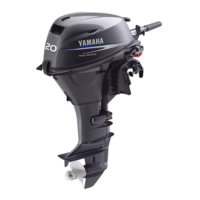
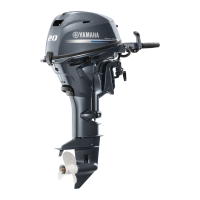
F20
OWNER’S MANUAL
6AG-28199-12
U.S.A.Edition
LIT-18626-07-79
6AG-9-12Hyoshi08.9.33:54PMページ1
©2019 Yamaha Motor Corporation, U.S.A.

Table of Contents

Other manuals for Yamaha F15CMH

Questions and Answers

  • D
    Darlene WatsonAug 19, 2025
    What to do if Yamaha Outboard Motor fuel management gauge shows incorrect fuel consumption?
    • R
      ramirezkimberlyAug 19, 2025
      If the fuel management gauge shows incorrect fuel consumption, the engine recognition might be wrong (especially for multi-applications). To fix this, default the engine number and turn the key switch on in order from the portside engine to re-memorize each engine number.
  • Y
    Yvonne McdonaldAug 21, 2025
    What to do if the Yamaha F15CMH Outboard Motor gauge display does not wake up?
    • W
      waynethompsonAug 21, 2025
      If the gauge display doesn't wake up, it could be due to a lack of electrical power or a damaged gauge. Try these steps: replace the fuse, securely connect the couplers, replace any damaged wires or hubs, or, if necessary, replace the gauge itself.
  • M
    Michael SuttonAug 23, 2025
    Why Yamaha F15CMH Outboard Motor illumination does not light?
    • S
      Steven BowmanAug 23, 2025
      If the illumination does not light, it could be due to a lack of electrical power or a damaged gauge. You should try replacing the fuse, connecting the couplers securely, replacing the damaged wire or hub, or replacing the gauge.
  • M
    Michael CampbellAug 26, 2025
    How to fix Yamaha F15CMH tachometer showing incorrect engine RPM?
    • J
      juan03Aug 26, 2025
      If the tachometer shows an incorrect engine RPM, the engine recognition might be wrong (especially for multi-applications). To correct this, push the 'SET' button for 10 seconds to default the engine number, then memorize each engine number again.
  • B
    Briana GreeneAug 28, 2025
    What causes Yamaha F15CMH fuel management gauge to show incorrect remaining fuel?
    • M
      Mr. Gregory Padilla DVMAug 28, 2025
      If the fuel management gauge shows incorrect remaining fuel, the fuel capacity setting may be wrong (specifically for SQR Fuel mgt Gauge). Fill the tank with fuel, and set the correct fuel tank capacity.
  • M
    Mr. Eric JacksonAug 30, 2025
    What to do if Yamaha Outboard Motor gauge shows “----”?
    • M
      Michael GonzalezAug 30, 2025
      If the gauge displays '----', it indicates that the digital signal is not being received. Check that the couplers are securely connected and replace any damaged bus wires or hubs.
  • M
    Michael JamesSep 2, 2025
    Why Yamaha Outboard Motor Speedometer or Comb. Speedometer & Fuel mgt gauge shows incorrect fuel level?
    • R
      Rebecca CortezSep 2, 2025
      If the speedometer or combination speedometer & fuel management gauge shows an incorrect fuel level, the fuel sensor selection is likely wrong. Set up the fuel sensor to the correct resistance.
  • T
    Theodore CarterSep 4, 2025
    How to fix Yamaha F15CMH Outboard Motor trim gauge showing incorrect position?
    • R
      robinsoncharlesSep 4, 2025
      If the trim gauge shows an incorrect position, the initial position setting might be wrong, or the trim sender could be damaged. Put the motor in the fully trimmed-in position and reset the initial (zero) trim angle. If that doesn't work, replace the trim sender.
  • L
    Lauren StrongSep 6, 2025
    Why Yamaha F15CMH Outboard Motor gauge operates unstably?
    • T
      Tyler HendersonSep 6, 2025
      If the gauge operates unstably, it could be because a resistor is not connected to the ending hubs. Connect the gray 6-pin cap to the ending multi-hubs.
  • M
    Michael DukeSep 8, 2025
    What causes Yamaha F15CMH Outboard Motor gauge response to be poor or down?
    • N
      Nancy TurnerSep 9, 2025
      If the gauge response is poor or down, a market obtainable unit connected to the system may have failed, or the signal volume has exceeded 50% of the capacity. Try replacing the unit or removing the heavy signal output unit.

Summary

General Information

Safety - Mechanical Hazards

Rotating Parts Hazards

Precautions regarding entanglement with rotating engine parts, emphasizing keeping cowling in place.

Hot Parts and Electric Shock

Warnings about hot engine parts and electric hazards during operation.

Power Tilt and Engine Shut-off Cord Safety

Safety measures for power tilt operation and proper use of the engine shut-off cord.

Gasoline Safety Precautions

Warnings about gasoline flammability and safe handling practices.

Safety - Operational Practices & Rules

Boating Safety Practices

Guidance on alcohol, drugs, PFDs, people in water, passengers, and overloading.

Collision Avoidance and Navigation

Tips for avoiding collisions, understanding weather, and waterway navigation rules.

Safety - Navigation Rules & Markers

Basic Requirements - Fueling

Gasoline Warnings and Types

Critical warnings about gasoline flammability and recommended fuel types, including gasohol.

Basic Requirements - Safety Features

Start-in-Gear Protection

Explanation of the safety feature preventing engine start in gear.

Basic Components - Controls

Basic Components - Control Levers

Basic Components - Throttle Controls

Basic Components - Engine Stop

Engine Shut-off Switch

Proper use and function of the engine shut-off switch and its cord.

Engine Stop Button

How to use the engine stop button to shut off the engine.

Basic Components - Starting & Power

Basic Components - Trim Adjustments

Basic Components - Warning System

Warning System Overview

Explanation of the warning system that activates indicator lights or buzzers for engine conditions.

Overheat and Low Oil Warnings

Details on overheat and low oil pressure warnings and their activation.

Operation - Initial Setup

Engine Break-In Procedure

Instructions for the initial break-in period to ensure proper engine performance and longevity.

Operation - Pre-Start Checks

4-Stroke Break-in Details

Detailed steps for the first ten hours of engine operation to ensure proper wear-in.

Essential Pre-Operation Checks

Key checks for fuel, controls, and stop switches before starting the engine.

Operation - Engine & Fuel

Filling Fuel Tank Safely

Safe procedure for filling the fuel tank, including warnings and capacity.

Operation - Fueling & Starting

Operation - Starting Engine

Starting Engine - General Procedures

General precautions and steps for starting the engine, including neutral gear and shut-off cord.

Starting Engine - Manual & Electric

Detailed procedures for starting the engine using manual or electric start methods.

Operation - Starting Methods

Starting Engine - Electric;Remote Models

Procedure for starting electric start models with remote controls.

Operation - Engine Warm-up & Shifting

Shifting Gears Safely

Instructions and warnings for shifting gears safely, including warming up the engine.

Operation - Stopping Procedures

Stopping the Boat Safely

Procedures for stopping the boat and warnings against using reverse for braking.

Stopping the Engine Correctly

Procedure for stopping the engine, including cooling off and fuel line disconnection.

Operation - Trim Adjustments

Operation - Power Tilt Trim

Operation - Boat Trim Attitude

Operation - Shallow Water Cruising

Maintenance - Schedules & Parts

Periodic Maintenance Guidelines

Guidelines for regular maintenance tasks and recommendations for service intervals.

Maintenance - Charts

Maintenance Chart 1 (Initial & Periodic)

Schedule for initial and periodic maintenance checks and replacements for various components.

Maintenance - Charts

Maintenance - Spark Plugs & Fuel System

Maintenance - Fuel System Checks

Maintenance - Engine Oil

Changing Engine Oil Procedure

Detailed steps for draining and refilling the engine oil, including tightening torque.

Maintenance - Leaks & Propeller

Maintenance - Propeller

Maintenance - Gear Oil

Changing Gear Oil Procedure

Detailed procedure for draining and refilling the gear oil, including inspection of used oil.

Maintenance - Battery Connections

Trouble Recovery - Starting Issues

Troubleshooting Starter Problems

Common issues and solutions when the starter will not operate or the engine won't start.

Troubleshooting Engine Idling

Causes and remedies for irregular idling or stalling of the engine.

Trouble Recovery - Engine Performance

Troubleshooting Performance Issues

Diagnosing issues like fuel contamination, filter clogs, ignition problems, and oil levels.

Troubleshooting Warning Indicators

Interpreting warning buzzer sounds or indicator lights related to engine conditions.

Trouble Recovery - Power Loss

Troubleshooting Power Loss Causes

Diagnosing causes of engine power loss, including propeller issues, trim angle, and boat bottom fouling.

Trouble Recovery - Vibrations & Emergencies

Temporary Emergency Actions

Steps for dealing with impact damage and temporary measures for emergencies.

Trouble Recovery - Specific Failures

Trouble Recovery - Emergency Starting

Starter Failure & Emergency Rope

Using an emergency starter rope when the primary starter fails, with safety precautions.

Emergency Start Procedure (Manual)

Step-by-step guide to starting the engine manually using a starter rope.

Trouble Recovery - Submerged Motor

Yamaha F15CMH Specifications

General IconGeneral
Full Throttle RPM Range5000 - 6000 RPM
Fuel Induction SystemCarburetor
Oil Capacity1.1 L
Starting SystemManual
Gear Ratio2.08:1
SteeringTiller
Trim MethodManual
Engine Type4-Stroke, SOHC
Displacement362 cc
Max Output15 HP
Recommended FuelUnleaded gasoline
Recommended Engine OilYamalube 4M
Alternator Output12V, 6A
Gear ShiftF-N-R
ExhaustThrough propeller hub

Related product manuals