application of the new developed solutions was restricted. Nowadays, it is the glycol
based anti-freeze solutions that have been accepted widely.
Anti-freeze solution is made up of raw alcohol, water and additives. The alcohol is glycol
and the water is distilled water. The additives include antirust agents, anti-toxicity agents,
PH regulating agents (buffering agents), antifoam agents, and other performing
enhancing chemicals.
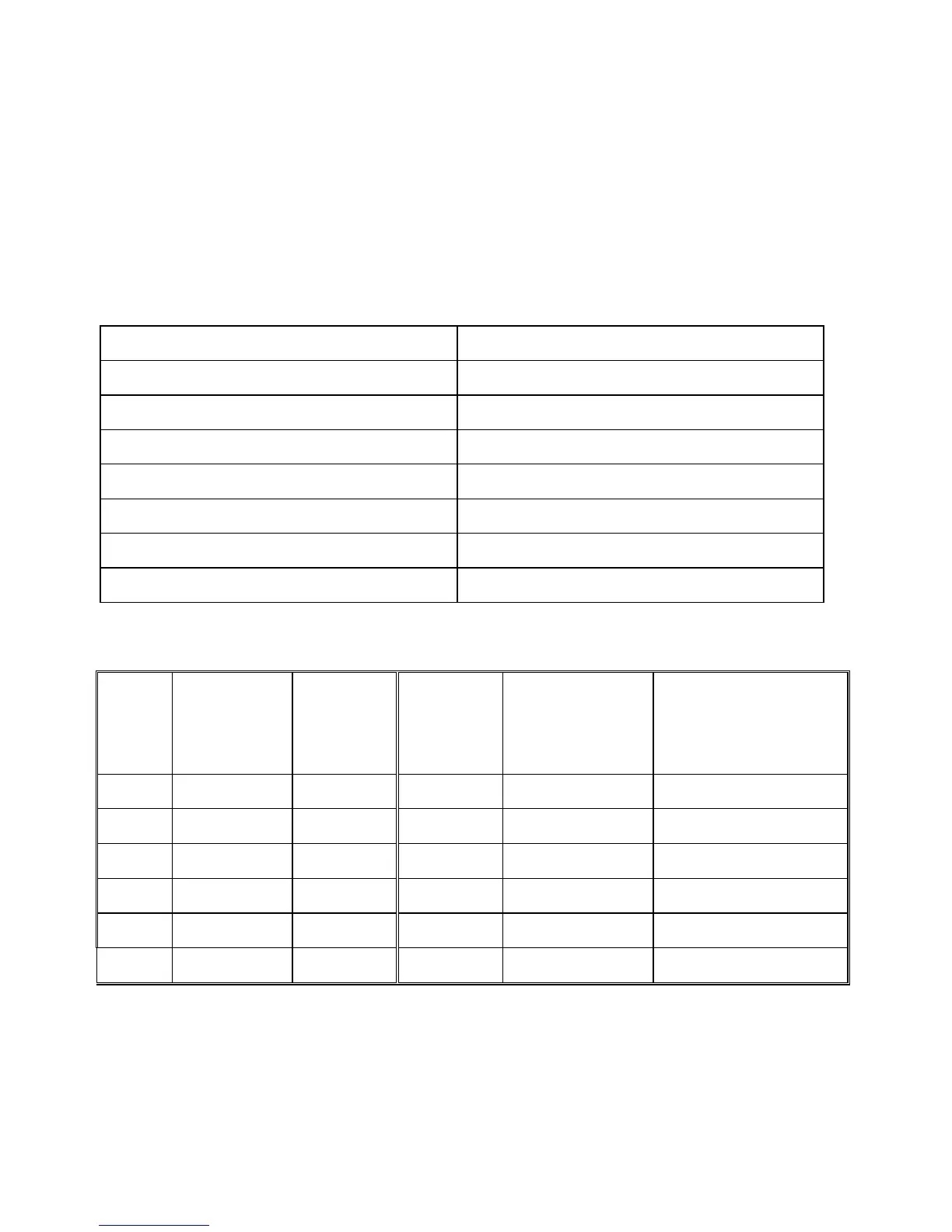
Table 1 Physical and chemical property of glycol
Table 2 The glycol concentration, density and freezing point
of the anti-freeze solution
The anti-freeze solution is classified to be the direct-use type and the concentrated type.
The concentrated type can not be used directly and must be diluted to a particular
concentration as stated in Table 2 according to the operating temperature.


 To Next Page