EasyManua.ls Logo

3M 8210 - User Manual

3M 8210
8 pages
Print Icon
To Next Page IconTo Next Page
Loading...
Check out 3m.com/myN95 for more information about 3M N95 Respirators.
User Instructions
© 3M 2022
8210, 8110S, 8210Plus N95 Particulate Respirator
Table of Contents
1) General Use: 3M™ 8210, 8110S, and 8210Plus N95 User Instructions............................................................................................2
2) Occupational/Workplace Use: 3M™ 8210, 8110S, 8210Plus N95 User Instructions...................................................................5
Question and Answer IconNeed help?

Do you have a question about the 3M 8210 and is the answer not in the manual?

Summary

General Use

Important Safety Information

Crucial safety guidelines and warnings before using the respirator, including potential risks.

Considerations for Use

Key factors and prerequisites for effective and appropriate respirator usage.

Select the Right Respirator

Guidance on choosing the correct respirator model and ensuring adult fit.

When to Wear Your Respirator

Information on the optimal timing for wearing the respirator for maximum effectiveness.

Use it Correctly

Instructions on proper application and limitations for effective protection against particles.

Prepare and Inspect Respirator

Prepare Yourself

Steps to prepare for wearing the respirator, including fit and hygiene.

Inspect Your Respirator

Guidance on checking the respirator for damage before each use.

How to Wear

Instructions on how to properly wear the respirator for optimal fit and seal.

Wear It Right

Prepare to Use Respirator

Steps for preparing the respirator, including washing hands and inspecting for damage.

Place Respirator on Face

Detailed steps for positioning the respirator correctly on the face.

Adjust the Metal Nose Strip

Instructions on how to properly mold the nosepiece for a secure fit.

Check the Respirator-to-Face Seal

Procedure for performing a user seal check to ensure effective protection.

Occupational Workplace Use

Important

Key information and warnings for occupational users of the respirator.

Use For

Specifies the types of particles and work environments for which the respirator is suitable.

Do Not Use For

Lists conditions and contaminants where the respirator should not be used.

Biological Particles

Information on the respirator's effectiveness against biological contaminants.

Use Instructions and Limitations

Use Instructions

Detailed steps and requirements for correct and effective respirator use.

Use Limitations

Defines conditions and circumstances under which the respirator is not appropriate.

Storage Conditions and Shelf Life

Guidelines for proper storage to maintain respirator integrity and usability.

Fitting and Removal Instructions

Storage Temperature Range

Specifies the acceptable temperature range for storing the respirators.

Storage Maximum Relative Humidity

Defines the maximum relative humidity for effective respirator storage.

Fitting Instructions

Step-by-step visual guide for correctly fitting the respirator each time.

Removal Instructions

Procedure for safely removing the respirator without compromising seal.

NIOSH Approval and Contact Information

NIOSH Approved: N95

Information on the NIOSH certification and filtration efficiency of the respirator.

Respirator Configurations

Details on approved respirator models and their components.

Cautions and Limitations

Specific warnings and restrictions related to the use of these respirators.

Contact Information

Provides contact details for further information and technical assistance.

Summary

General Use

Important Safety Information

Crucial safety guidelines and warnings before using the respirator, including potential risks.

Considerations for Use

Key factors and prerequisites for effective and appropriate respirator usage.

Select the Right Respirator

Guidance on choosing the correct respirator model and ensuring adult fit.

When to Wear Your Respirator

Information on the optimal timing for wearing the respirator for maximum effectiveness.

Use it Correctly

Instructions on proper application and limitations for effective protection against particles.

Prepare and Inspect Respirator

Prepare Yourself

Steps to prepare for wearing the respirator, including fit and hygiene.

Inspect Your Respirator

Guidance on checking the respirator for damage before each use.

How to Wear

Instructions on how to properly wear the respirator for optimal fit and seal.

Wear It Right

Prepare to Use Respirator

Steps for preparing the respirator, including washing hands and inspecting for damage.

Place Respirator on Face

Detailed steps for positioning the respirator correctly on the face.

Adjust the Metal Nose Strip

Instructions on how to properly mold the nosepiece for a secure fit.

Check the Respirator-to-Face Seal

Procedure for performing a user seal check to ensure effective protection.

Occupational Workplace Use

Important

Key information and warnings for occupational users of the respirator.

Use For

Specifies the types of particles and work environments for which the respirator is suitable.

Do Not Use For

Lists conditions and contaminants where the respirator should not be used.

Biological Particles

Information on the respirator's effectiveness against biological contaminants.

Use Instructions and Limitations

Use Instructions

Detailed steps and requirements for correct and effective respirator use.

Use Limitations

Defines conditions and circumstances under which the respirator is not appropriate.

Storage Conditions and Shelf Life

Guidelines for proper storage to maintain respirator integrity and usability.

Fitting and Removal Instructions

Storage Temperature Range

Specifies the acceptable temperature range for storing the respirators.

Storage Maximum Relative Humidity

Defines the maximum relative humidity for effective respirator storage.

Fitting Instructions

Step-by-step visual guide for correctly fitting the respirator each time.

Removal Instructions

Procedure for safely removing the respirator without compromising seal.

NIOSH Approval and Contact Information

NIOSH Approved: N95

Information on the NIOSH certification and filtration efficiency of the respirator.

Respirator Configurations

Details on approved respirator models and their components.

Cautions and Limitations

Specific warnings and restrictions related to the use of these respirators.

Contact Information

Provides contact details for further information and technical assistance.

Overview

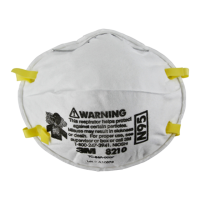
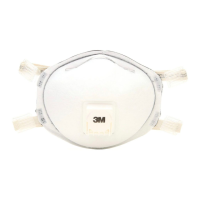
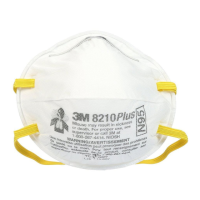
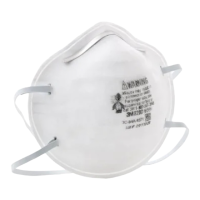
The 3M 8210, 8110S, and 8210Plus N95 Particulate Respirators are filtering facepiece respirators designed to help reduce the wearer's exposure to airborne particles. These respirators are intended for general use by adults and are also certified for occupational/workplace use under specific conditions. Their primary function is to filter out at least 95% of solid and liquid aerosols that do not contain oil, thereby reducing the inhalation of certain particles such as dust, pollen, and those generated from grinding, sanding, sweeping, sawing, bagging, or processing minerals, coal, iron ore, flour, and metal.

Usage Features:

The effective use of these respirators relies heavily on proper selection, fitting, and adherence to instructions. Before use, wearers must read and understand the provided User Instructions.

  • Selection: These 3M respirators are designed for adults. For occupational use, 3M N95 respirators are certified by the U.S. National Institute for Occupational Safety and Health (NIOSH), and information on this certification is found on the NIOSH approval label in the packaging. It is crucial to select the right respirator that fits the individual.
  • Preparation: Before entering a contaminated area, it is recommended to practice putting on the respirator. Anything that comes between the respirator and the face, such as facial hair (men should shave daily), jewelry, or clothing, can interfere with its fit and reduce effectiveness. Hands should be thoroughly washed with soap and water or sanitized before handling the respirator.
  • Wearing Instructions:
    1. Pre-stretch Straps: For models 8210 and 8210Plus, the top and bottom straps should be pre-stretched before placement.
    2. Cup Respirator: Hold the respirator in one hand with the nosepiece at the fingertips, allowing the headbands to hang freely.
    3. Position on Face: Place the respirator under the chin with the nosepiece up.
    4. Strap Placement: Pull the top elastic band over the head and position it high on the back of the head. Then, pull the bottom elastic band over the head and place it around the neck below the ears.
    5. Nose Strip Adjustment: Use both hands to mold the metal nose strip snugly against the nose and face. Pinching with one hand may result in an improper fit. Fingers should slide down both sides of the nosepiece to seal it.
    6. User Seal Check: This is a critical step that must be performed each time the respirator is worn.
      • For non-valved respirators: Completely cover the outside of the respirator with both hands and exhale sharply. If air is felt blowing on the face or eyes, the respirator needs to be readjusted by repeating steps 2, 3, and 4. If a proper fit is achieved, no air should be felt blowing.
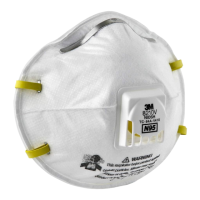
      • For valved respirators: Completely cover the outside of the respirator with both hands and inhale sharply. If air is felt blowing on the face or eyes, readjustment is necessary.
      • If a proper seal cannot be achieved, the respirator should not be used, and the contaminated area should not be entered.
  • When to Wear: For maximum effectiveness, the respirator should be worn continuously whenever exposed to the particles one wishes to reduce exposure to.
  • Limitations: These respirators do not supply oxygen and should not be used in atmospheres containing less than 19.5% oxygen, or in atmospheres immediately dangerous to life or health. They are not suitable for protection against gases and vapors, oil aerosols, asbestos, sandblasting, or large areas of mold. They also do not eliminate the risk of contracting infection, illness, or disease from biological particles, even though they can help reduce inhalation exposures. The respirator should not be altered, washed, abused, or misused. It is designed for occupational/professional use by adults who are properly trained and is not intended for children. Individuals with compromised respiratory systems should consult a physician before use.

Maintenance Features:

While these are disposable filtering facepiece respirators, certain practices are recommended to ensure their integrity and effectiveness.

  • Inspection: Before each use, the respirator must be inspected for any signs of damage, including holes, tears, or other damage to surfaces, straps, the metal nose strip, and nose foam. Any damaged or missing parts, or enlarged holes around staples (other than the staple punctures themselves), warrant immediate disposal and replacement with a new respirator.
  • Replacement: The respirator should be replaced if it becomes damaged, soiled, or if breathing becomes difficult. It should never be washed, disinfected, or put in an oven or other home appliance, nor should it be shared with others.
  • Storage: Until needed, N95 respirators should be stored indoors in their original packaging, if possible, in a clean, breathable bag, and in a space where they cannot be crushed or distorted. Storage conditions should maintain temperatures between -4°F (-20°C) and 86°F (30°C) and relative humidity below 80%. Adhering to these conditions allows the product to be used until the "use by" date specified on the packaging.
  • Disposal: Used respirators should be disposed of in accordance with applicable regulations.

For occupational use, a written respiratory protection program meeting OSHA 29 CFR 1910.134 requirements (including training, fit testing, and medical evaluation) or CSA standard Z94.4 requirements in Canada must be implemented. For DIY projects, specific Do-It-Yourself/Homeowner User Instructions are available.

3M 8210 Specifications

General IconGeneral
Respirator StyleCup
Filter ClassN95
NIOSH ApprovalYes
Exhalation ValveNo
Protection LevelN95
Nose ClipYes
Filter Efficiency≥95%
Fluid ResistanceNo
Product TypeN95 Respirator

Related product manuals