This document provides comprehensive guidelines for the cleaning and sterilization of 3M™ Versaflo™ Powered Air Purifying Respirators (PAPRs) and related components, emphasizing comfort and safety in various work environments. The information covers S-Series Headtops, M-Series Headtops, Jupiter Powered Air Turbo, TR-300 Powered Air Turbo, TR-600 Powered Air Turbo, and BT-Series Breathing Tubes, detailing specific cleaning procedures, materials to avoid, and maintenance considerations.
General Cleaning Advice for 3M™ Versaflo™ Powered Air Systems:
- Hygiene Practices: Always follow the hygiene practices established by your employer, especially concerning specific contaminants to which you may have been exposed.
- Detergent Use: Do not use detergents that contain lanolin or other oils, as these can potentially degrade materials or leave residues.
- Sterilization Processes: Avoid using sterilization processes such as ethylene oxide, radiation, and steam sterilization, as these methods are generally not recommended for these devices and may cause damage.
- Product Inspection: Always check the product in accordance with the inspection procedure detailed in the relevant user instructions before and after cleaning.
- Damage: If any signs of damage are discovered, the product should be discarded and replaced immediately to ensure continued protection.
Cleaning S-Series Headtops:
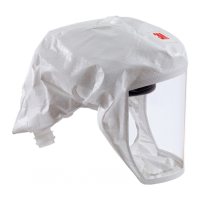
S-Series Headtops are designed to be disposable, referring to the entire product or hood.
- Outer Surface Cleaning: Wipe the outer surface with a clean cloth or sponge dampened with warm water and liquid household soap.
- Soaking: Do not soak the headtop.
- Plastic Parts: Plastic parts can be submerged, but remember to remove the sweat pad first.
- Sweat Pad: The sweat pad can be hand washed or laundered.
- Optional Cleaning: For enhanced hygiene, the outer surface can be wiped with a hospital detergent/disinfectant.
- Soaking: Again, do not soak the headtop.
- Plastic Parts: Plastic parts can be submerged.
- Rinsing: Repeat the wipe-down process with warm water and liquid household soap to ensure all disinfectant residue is removed.
- Drying: Hang the hood by its loop or lay it flat to air dry.
- Storage: Ensure the product is completely dry prior to use or storage.
- Solvents: Do not wipe the faceshield with strong solvents such as MEK, acetone, or toluene, as these can damage the material.
- Washing Machines: Do not wash the headtop in a washing machine or respirator washer.
Cleaning M-Series Headtops:
- Headtop Shells, Visors, Visor Frames, and Other Plastic Parts:
- Cleaning: Wipe with a clean cloth or sponge dampened with warm water and liquid household soap. These parts can be submerged.
- Optional Cleaning: The outer surface can be wiped with a hospital detergent/disinfectant.
- Rinsing: Repeat the wipe-down process with warm water and liquid household soap.
- Faceshield: Do not wipe the faceshield with strong solvents (MEK, acetone, toluene).
- Drying: Air dry the components.
- Storage: Ensure the product is dry prior to use or storage.
- Forehead Sweat Pad: This component can be hand washed or laundered.
- Faceseals (except M-937): These can be wiped with a clean cloth or sponge dampened with warm water and liquid household soap.
- Soaking: Do not soak faceseals.
- Optional Cleaning: The outer surface can be wiped with a hospital detergent/disinfectant.
- Rinsing: Repeat the wipe-down process with warm water and liquid household soap.
- High Durability Outer Shroud: This can be laundered or wiped.
- Optional Cleaning: The outer surface can be wiped with a hospital detergent/disinfectant.
- Rinsing: Repeat the wipe-down process with warm water and liquid household soap.
- Flame Retardant Outer Shroud: This can also be laundered or wiped.
- Bleach: Do not use chlorine bleach on this component.
- Separation: Keep this shroud separate from other materials that may contaminate it with flammable fibers.
- Inner Collar: This component can be laundered.
- Bleach/Fabric Conditioner: Do not use chlorine bleach or fabric conditioner on the inner collar.
- Components Not to Clean:
- Flame retardant headcover.
- Head, neck, and shoulder cover.
Cleaning Jupiter Powered Air Turbo:
- Filters: Remove and dispose of filters. Do not attempt to clean them.
- Battery Pack: Remove the battery pack and wipe it with a clean cloth or sponge dampened with warm water and liquid household soap.
- Submerging: Do not submerge the battery pack.
- Optional Cleaning: Wipe with a hospital detergent/disinfectant.
- Rinsing: Repeat the wipe-down process with warm water and liquid household soap.
- Turbo Unit and Belt: Wipe the turbo unit and belt with a clean cloth or sponge dampened with warm water and liquid household soap.
- Submerging: Do not submerge the turbo unit.
- Cleaning Solution: Ensure cleaning solution does not enter the turbo unit.
- Optional Cleaning: Wipe with a hospital detergent/disinfectant.
- Rinsing: Repeat the wipe-down process with warm water and liquid household soap.
- Drying: Ensure the product is dry prior to use or storage.
Cleaning TR-300 Powered Air Turbo:
- Filters: Remove and dispose of filters.
- Note: When removing, point the turbo unit downwards so any loose material falls away from the turbo.
- Cleaning: Do not attempt to clean the filters.
- Battery Pack: Remove the battery pack and wipe it with a clean cloth or sponge dampened with warm water and liquid household soap.
- Submerging: Do not submerge the battery pack.
- Pins: Carefully clean around the pins (do not bend or break). Ensure the pins are dry before re-use.
- Optional Cleaning: Wipe with a hospital detergent/disinfectant.
- Rinsing: Repeat the wipe-down process with warm water and liquid household soap.
- Turbo Unit and Belt: Wipe the turbo unit and belt with a clean cloth or sponge dampened with warm water and liquid household soap.
- Submerging: Do not submerge the turbo unit.
- Cleaning Solution: Ensure cleaning solution does not enter the turbo unit.
- Optional Cleaning: Wipe with a hospital detergent/disinfectant.
- Rinsing: Repeat the wipe-down process with warm water and liquid household soap.
- Drying: Ensure the product is dry prior to use or storage.
TR-600 Features: Easy Clean
The TR-600 series is designed for easy cleaning, featuring enhanced ingress protection.
- Decontamination Showers: The unit is rated IP53 during use, allowing for decontamination showers.
- Orientation: Can be cleaned at angles from 0-60° from vertical.
- Cleaning/Submerging: The TR-600 can be rinsed or submerged for cleaning, boasting an IP67 rating for immersion.
- TR-653 Cleaning and Storage Kit: This kit is required for proper cleaning and storage.
TR-600 Ingress Protection: With TR-653 Cleaning & Storage Kit
- IP Rating: IP67.
- Dust Protection: Dust tight. No ingress of dust permitted.
- Water Immersion Protection: Protected against the effects of immersion in water up to 1 meter (3 feet) for 30 minutes.
- Water Temperature: Do not exceed a water temperature of 50°C during cleaning.
- Gasket Inspection: Inspect gaskets prior to each use.
- Gasket Replacement: Replace gaskets every 30 washes or yearly, whichever comes first.
- Damaged Components: Do not submerge blowers or batteries that are visibly damaged or have been dropped.
Cleaning BT-Series Breathing Tubes:
- Outer Surface Cleaning: Wipe the outer surface with a clean cloth or sponge dampened with warm water and liquid household soap. These tubes can be submerged.
- Optional Cleaning: Wipe the outer surface with a hospital detergent/disinfectant. These tubes can be submerged.
- Rinsing: Repeat the wipe-down process with warm water and liquid household soap.
- Drying: Air dry the tubes vertically or use the turbo unit to blow air through the breathing tube to dry it.
- Storage: Ensure the product is dry prior to use or storage.

 Need help?
 General




 To Next Page