EasyManua.ls Logo

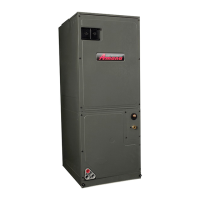
Amana AVPTC37C14 - User Manual

Amana AVPTC37C14
32 pages
Print Icon
To Next Page IconTo Next Page
Loading...
AVPTC**14**
© 2016-2017 Goodman Manufacturing Company, L.P.
5151 San Felipe, Suite 500, Houston, TX 77056
www.goodmanmfg.com - or - www.amana-hac.com
P/N: IOA-4021D Date: December 2017
AIR HANDLERS
INSTALLATION & OPERATING INSTRUCTIONS
®
is a registered trademark of Maytag Corporation or its related companies and is used under license. All rights reserved.
ATTENTION INSTALLING PERSONNEL
Prior to installation, thoroughly familiarize yourself with this Installa-
tion Manual. Observe all safety warnings. During installation or repair,
caution is to be observed. It is your responsibility to install the product
safely and to educate the customer on its safe use.
RECOGNIZE THIS SYMBOL AS A
SAFETY PRECAUTION.
Contents
1 Important Safety Instructions ............................................... 2
2 Shipping Inspection .............................................................. 3
3 Codes & Regulations ............................................................. 3
4 Replacement Parts ............................................................... 3
5 Pre-Installation Considerations ............................................. 3
6 Installation Location ............................................................. 3
7 Refrigerant Lines .................................................................. 5
8 Condensate Drain Lines......................................................... 8
9 Ductwork ............................................................................. 9
10 Return Air Filters .................................................................. 9
11 Electric Heat ......................................................................... 9
12 Electrical and Control Wiring ............................................... 10
13 Achieving 1.4% and
2.0% Airflow Low Leakage Rate ........................................ 11
14 24 Volt Wiring .................................................................... 11
15 Auxiliary Alarm Switch ........................................................ 12
16 AVPTC Motor Orientation ................................................... 12
17 Circulator Blower ............................................................... 13
18 Heat Kit Selection ............................................................... 16
19 Troubleshooting ................................................................. 16
20 ComfortNet™ System ........................................................ 17
21 Start-Up Procedure ............................................................ 19
23 Communications Troubleshooting Chart ............................. 20
24 Air Handler Advanced Features Menu ................................ 21
25 Troubleshooting ................................................................. 22
26 Diagnostic Codes ................................................................ 26
27 Wiring Diagrams ................................................................. 27
O
NLY
PERSONNEL
THAT
HAVE
BEEN
TRAINED
TO
INSTALL
,
ADJUST
,
SERVICE
OR
REPAIR
(
HEREINAFTER
, “
SERVICE
”)
THE
EQUIPMENT
SPECIFIED
IN
THIS
MANUAL
SHOULD
SERVICE
THE
EQUIPMENT
. T
HE
MANUFACTURER
WILL
NOT
BE
RESPONSIBLE
FOR
ANY
INJURY
OR
PROPERTY
DAMAGE
ARISING
FROM
IMPROPER
SERVICE
OR
SERVICE
PROCEDURES
. I
F
YOU
SERVICE
THIS
UNIT
,
YOU
ASSUME
RESPONSIBILITY
FOR
ANY
INJURY
OR
PROPERTY
DAMAGE
WHICH
MAY
RESULT
. I
N
ADDITION
,
IN
JURISDICTIONS
THAT
REQUIRE
ONE
OR
MORE
LICENSES
TO
SERVICE
THE
EQUIPMENT
SPECIFIED
IN
THIS
MANUAL
,
ONLY
LICENSED
PERSONNEL
SHOULD
SERVICE
THE
EQUIPMENT
. I
MPROPER
INSTALLATION
,
ADJUSTMENT
,
SERVICING
OR
REPAIR
OF
THE
EQUIPMENT
SPECIFIED
IN
THIS
MANUAL
,
OR
ATTE MPTING
TO
INSTALL
,
ADJUST
,
SERVICE
OR
REPAIR
THE
EQUIPMENT
SPECIFIED
IN
THIS
MANUAL
WITHOUT
PROPER
TRAINING
MAY
RESULT
IN
PRODUCT
DAMAGE
,
PROPERTY
DAMAGE
,
PERSONAL
INJURY
OR
DEATH
.


Questions and Answers

Summary

Safety and Installation Warnings

General Warning

Provides critical safety precautions for installation and operation, including risks of property damage, personal injury, or death.

Installing Personnel Attention

Emphasizes familiarizing with the manual and observing all safety warnings during installation and repair.

Important Safety Instructions

Combustible Materials Warning

Warning against storing combustible materials or using flammable liquids near the unit to prevent property damage, injury, or death.

Power Supply Requirements

States product is for 208/240/1/60 power supply and prohibits reconfiguring for other supplies.

Electrical Grounding Mandate

Mandates an uninterrupted, unbroken electrical ground to prevent electrical shock hazards.

Non-Approved Device Warning

Warns against using non-manufacturer-certified devices, which may cause damage, injury, or hazardous conditions.

High Voltage Safety

Alerts to high voltage and the necessity of disconnecting all power before servicing to prevent damage or injury.

Carbon Monoxide Hazard

Details the danger of CO poisoning in enclosed areas and the need for adequate ventilation.

Shipping and Inspection

Pre-Installation Considerations

Preparation and Tools

Read all instructions, gather tools, hardware, and supplies before starting installation.

System Matching Requirements

Emphasizes using manufacturer-approved and AHRI-listed systems; unmatched systems void warranty.

Installation Location

Installation Location Details

Refrigerant Lines

Handling Pressurized Gas

Warns that the product is shipped with R410A and dry nitrogen under pressure, requiring appropriate service tools.

TXV System Connections and Adjustment

System Stabilization and Charge Check

Run system for 10 minutes for stabilization, check unit operation, and charge on low stage.

Subcooling and Superheat Check

Check subcooling and superheat, aiming for 7-9°F for TXV systems.

TXV Adjustment Guidelines

Provides specific guidance for adjusting TXV based on subcooling and superheat readings to achieve optimal performance.

Condensate Drain Lines

Ductwork and Air Filters

Electric Heat

Electric Heat Kit Installation

Directs user to the electric heat kit manual and specifies only HKS series kits are permitted.

Electrical and Control Wiring

Wiring Routing and Service Inspection

Emphasizes using knockouts for wiring, avoiding cabinet alteration, and inspecting building electrical service.

Wire Sizing and Overcurrent Protection

Details wire sizing, voltage drop limits, and the need for NEC/CEC approved overcurrent protection.

Airflow Low Leakage Rate

Circulator Blower

Blower Speed Adjustment

Explains the multi-speed blower and the need to adjust speeds for heating/cooling requirements using specification sheets and DIP switches.

Selecting Cooling Speed Tap

Instructs on locating cooling airflow charts, finding the required speed tap (A, B, C, D), and adjustment settings.

Setting Blower Speed DIP Switches

Details positioning DIP switches (S1, S2, S3, S4, S8) on the control module to select cooling speed and airflow adjustment.

Blower Speed and Airflow Configuration

Electric Heating Airflow Settings

Guides on setting DIP switches (S9, S10, S11) for electric heat kits based on kW rating and airflow requirements.

Troubleshooting and Diagnostics

Electrostatic Discharge (ESD) Precautions

Details precautions to protect the integrated control module from ESD damage before installation and servicing.

Diagnostic Chart Reference

Refers to the Troubleshooting Chart for unit operational problems and mentions the 7-segment LED display for fault codes.

ComfortNet System Overview

System Communication

Describes ComfortNet as a communicating system with digital two-way communication between thermostat, indoor, and outdoor units.

ComfortNet System Operations

Start-Up Procedure

Communications Troubleshooting

Advanced Features Menu

Troubleshooting - Abnormal Operation

Abnormal Operation Codes (Legacy;ComfortNet)

Details symptoms, fault descriptions, codes, possible causes, and corrective actions for abnormal operations.

Troubleshooting - System Faults

Troubleshooting - Motor Issues

Troubleshooting - Motor Performance

Diagnostic Codes

7 Segment LED Code Descriptions

Lists diagnostic codes displayed on the 7-segment LED and their corresponding condition descriptions.

Wiring Diagrams

High Voltage Safety Precaution

Emphasizes disconnecting all power before servicing due to high voltage risks.

Wiring Diagrams - Heat Kit

Summary

Safety and Installation Warnings

General Warning

Provides critical safety precautions for installation and operation, including risks of property damage, personal injury, or death.

Installing Personnel Attention

Emphasizes familiarizing with the manual and observing all safety warnings during installation and repair.

Important Safety Instructions

Combustible Materials Warning

Warning against storing combustible materials or using flammable liquids near the unit to prevent property damage, injury, or death.

Power Supply Requirements

States product is for 208/240/1/60 power supply and prohibits reconfiguring for other supplies.

Electrical Grounding Mandate

Mandates an uninterrupted, unbroken electrical ground to prevent electrical shock hazards.

Non-Approved Device Warning

Warns against using non-manufacturer-certified devices, which may cause damage, injury, or hazardous conditions.

High Voltage Safety

Alerts to high voltage and the necessity of disconnecting all power before servicing to prevent damage or injury.

Carbon Monoxide Hazard

Details the danger of CO poisoning in enclosed areas and the need for adequate ventilation.

Shipping and Inspection

Pre-Installation Considerations

Preparation and Tools

Read all instructions, gather tools, hardware, and supplies before starting installation.

System Matching Requirements

Emphasizes using manufacturer-approved and AHRI-listed systems; unmatched systems void warranty.

Installation Location

Installation Location Details

Refrigerant Lines

Handling Pressurized Gas

Warns that the product is shipped with R410A and dry nitrogen under pressure, requiring appropriate service tools.

TXV System Connections and Adjustment

System Stabilization and Charge Check

Run system for 10 minutes for stabilization, check unit operation, and charge on low stage.

Subcooling and Superheat Check

Check subcooling and superheat, aiming for 7-9°F for TXV systems.

TXV Adjustment Guidelines

Provides specific guidance for adjusting TXV based on subcooling and superheat readings to achieve optimal performance.

Condensate Drain Lines

Ductwork and Air Filters

Electric Heat

Electric Heat Kit Installation

Directs user to the electric heat kit manual and specifies only HKS series kits are permitted.

Electrical and Control Wiring

Wiring Routing and Service Inspection

Emphasizes using knockouts for wiring, avoiding cabinet alteration, and inspecting building electrical service.

Wire Sizing and Overcurrent Protection

Details wire sizing, voltage drop limits, and the need for NEC/CEC approved overcurrent protection.

Airflow Low Leakage Rate

Circulator Blower

Blower Speed Adjustment

Explains the multi-speed blower and the need to adjust speeds for heating/cooling requirements using specification sheets and DIP switches.

Selecting Cooling Speed Tap

Instructs on locating cooling airflow charts, finding the required speed tap (A, B, C, D), and adjustment settings.

Setting Blower Speed DIP Switches

Details positioning DIP switches (S1, S2, S3, S4, S8) on the control module to select cooling speed and airflow adjustment.

Blower Speed and Airflow Configuration

Electric Heating Airflow Settings

Guides on setting DIP switches (S9, S10, S11) for electric heat kits based on kW rating and airflow requirements.

Troubleshooting and Diagnostics

Electrostatic Discharge (ESD) Precautions

Details precautions to protect the integrated control module from ESD damage before installation and servicing.

Diagnostic Chart Reference

Refers to the Troubleshooting Chart for unit operational problems and mentions the 7-segment LED display for fault codes.

ComfortNet System Overview

System Communication

Describes ComfortNet as a communicating system with digital two-way communication between thermostat, indoor, and outdoor units.

ComfortNet System Operations

Start-Up Procedure

Communications Troubleshooting

Advanced Features Menu

Troubleshooting - Abnormal Operation

Abnormal Operation Codes (Legacy;ComfortNet)

Details symptoms, fault descriptions, codes, possible causes, and corrective actions for abnormal operations.

Troubleshooting - System Faults

Troubleshooting - Motor Issues

Troubleshooting - Motor Performance

Diagnostic Codes

7 Segment LED Code Descriptions

Lists diagnostic codes displayed on the 7-segment LED and their corresponding condition descriptions.

Wiring Diagrams

High Voltage Safety Precaution

Emphasizes disconnecting all power before servicing due to high voltage risks.

Wiring Diagrams - Heat Kit

Amana AVPTC37C14 Specifications

General IconGeneral
BrandAmana
ModelAVPTC37C14
CategoryAir Handlers
LanguageEnglish

Related product manuals