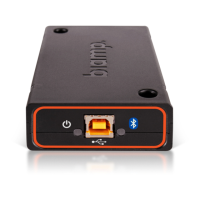
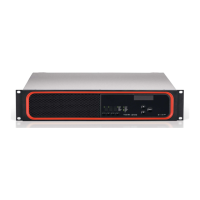
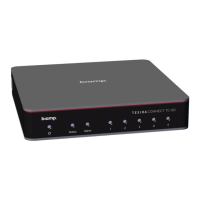
instead of a switch with full PoE support on all ports. This may help to reduce the overall cost of the system.
The algorithm for determining the correct PoE injectors is similar to selecting PoE network switches:
• If using single-port PoE injectors, check that each injector supports the PoE class of the selected device and
thereby provides the "Max Power From Switch" for the device.
• Multi-port PoE injectors (sometimes referred to as PoE Injector Hubs) usually have a total PoE budget
specification just like PoE network switches. This budget specification may be used in the same manner as
described above.
Important! Note that there are passive PoE injectors that do not negotiate the PoE class with the connected PoE
device and just provide continuous power right after the connection.
Passive PoE injectors can permanently damage connected devices in some cases and should generally be avoided or
at least be used with caution.
These injectors do not comply with any particular PoE standard, so you must check the documentation for the exact
power they provide and compare it to the power that your device requires before connecting it to a passive injector.
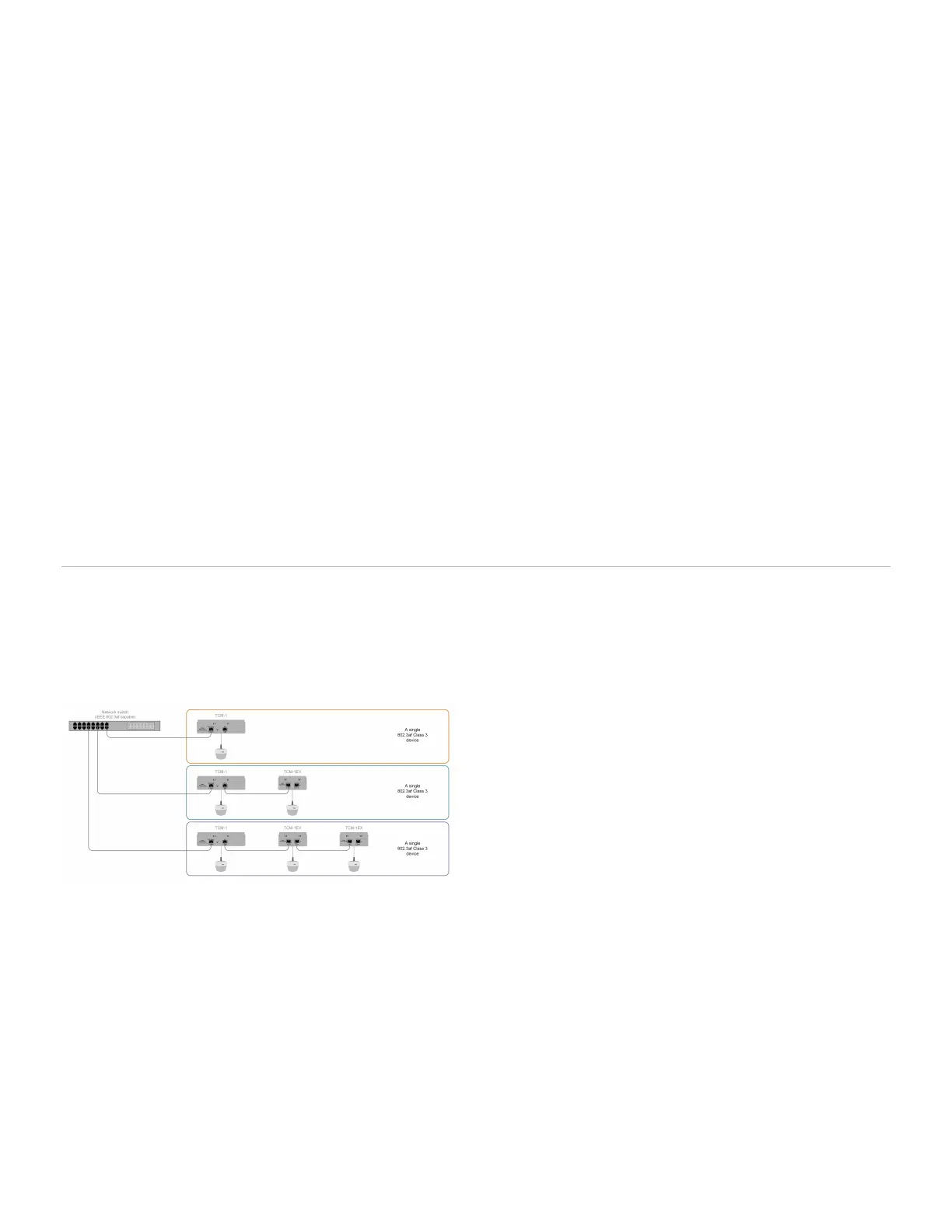
Daisy-chained Parlé microphones
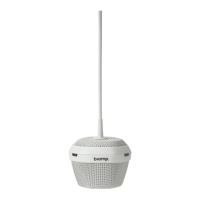
TCM-1 and TCM-1A head models have the ability to connect up to three microphones on one switch port in a daisy-
chain. However, the PoE class of the device remains the same, regardless of the number of daisy-chained microphones.
• TCM-1 head microphone is considered as a single 802.3at Class 3 device, regardless of the number of connected
TCM-1EX microphones:
• TCM-1A microphone is considered as a single 802.3at Type 2 - Class 4 device, regardless of the number of
connected TCM-1EX microphones:
Copyright 2013-2020 Biamp Systems http://support.biamp.com/
4


 To Next Page