Seat Latch and Adjustment
Page 18 Bobcat 2200 Gasoline and Diesel Vehicle Operation & Maintenance Manual
ý WARNING
• No more than one person per seat at one time. Do not allow people to ride in any part of the
vehicle that is not equipped with a seat and a safety belt. Do not allow a passenger to hold a
child in his or her lap while the vehicle is moving.
• The Bobcat vehicle is not designed to meet child seat compatibility requirements. Children
requiring a child safety seat must not ride on the vehicle. Comply with state and local laws
pertaining to child safety.
ý CAUTION
• Be careful not to damage the safety belt webbing or hardware.
• Inspect the safety belt system periodically. Check for cuts, fraying, and loose parts. Damaged
parts should be replaced immediately. Do not disassemble or modify the system.
• Keep safety belts clean and dry. If cleaning is necessary, use a mild soap and lukewarm water
solution. Do not use bleach, dye or abrasive cleaners as they may severely weaken the safety
belts.
• Do not insert coins, clip, etc. in the buckle as this may prevent the tab from locking into the
buckle properly.
• If the safety belt does not function normally, contact your Bobcat dealer or trained technician
immediately. Do not occupy the seat until the safety belt is repaired.
SEAT LATCH AND ADJUSTMENT
The seats are hinged to allow easy access to the engine compartment. A latch at the rear of each seat bottom
keeps the seat from moving on its hinges while the vehicle is in operation. To disengage the latch, grasp the
seat back and pull firmly in a forward/upward direction until the latch releases. To engage the seat latch, push
down firmly on the seat back until the seat locks into place. See following WARNING.
ý WARNING
• Make sure seat hinges and latch are securely engaged before operating vehicle.
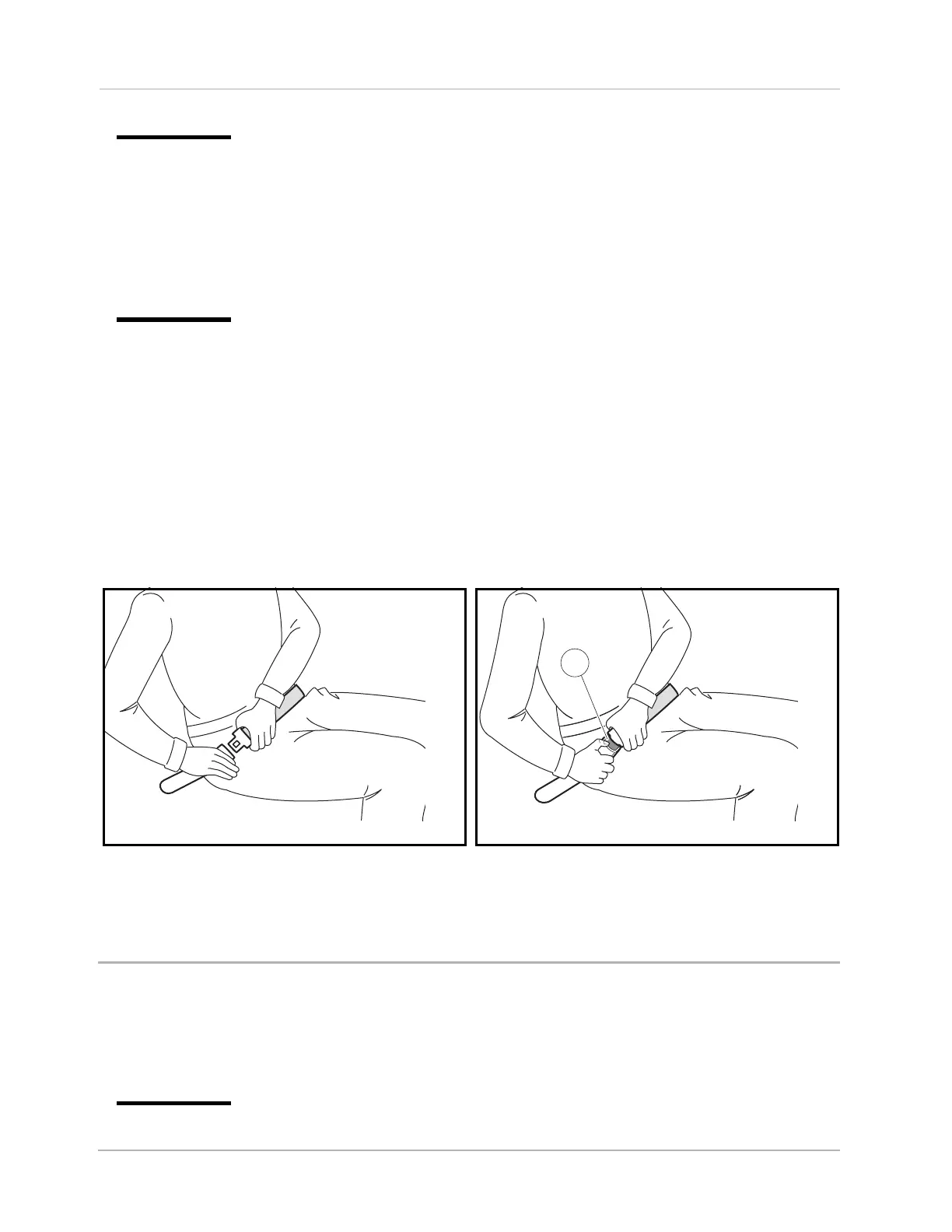
Figure 8 Secure Safety Belt Figure 9 Release Safety Belt
1



 To Next Page