73
14 TRANSPORT
Transporting Your EBike and Battery
Lithium-Ion batteries are classied and regulated by transportation
authorities as “Dangerous Goods” because of the inherent risk of a re
if they are damaged during transport. Check your local laws for details
about shipping and transporting an eBike battery.
WARNING! Pay attention to the additional weight of an eBike
when carrying, transporting, pushing, lifting, maneuvering or
parking your eBike.
WARNING! Do not ship or transport a damaged battery or
attempt to circumvent laws regarding shipping of Lithium-Ion
batteries. Failure to heed this warning may lead to a re during
the transportation process, resulting in serious personal injury
or death to transportation workers or the public, and damage to
vehicles or transportation facilities for which you may be held
civilly and criminally responsible.
Car Rack
Transporting an eBike inside a vehicle (if there’s space in the vehicle to
do so safely) is preferable to transporting on an exterior bike rack.
Depending on the type, an eBike can be signicantly heavier than
a regular bicycle. Make sure the vehicle-mounted rack is rated for
transporting eBikes and can accommodate the tyre width. Pay particular
attention when lifting it onto a vehicle-mounted bike rack. Use proper
lifting techniques. Lifting the eBike may require assistance, especially if
the rack is on the roof of a car. If the eBike is being transported on a roof
rack, be aware that your vehicle’s clearance is affected and the eBike
can come in contact with low-hanging obstacles like garage doors or
building entrances. Measure the height of the eBike on the roof and take
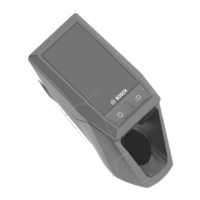
note of the clearance measurement. If the battery and display are easily
removable, remove
them and place them securely inside the vehicle. This not only keeps
your battery safer, it also reduces the weight of the eBike, which makes it
easier to lift and reduces the load on the bike rack.
Make sure the battery can’t roll around and is not exposed to direct
sunlight or excessive heat or cold for an extended period of time, and the
connectors are protected or covered.
Public Transport
Familiarise yourself with any relevant rules regarding transporting your
eBike on public transit, such as weight, battery restrictions and tyre
widths. Different transport operators will have differing rules. Please
research relevant rules that apply to your district/region before setting
off. Some public transit options require that a space is booked; others
specify off-peak hours or the need to cover the eBike.
Transporting on an Airplane
eBike batteries are subject to legislation on the transport of dangerous
goods. Private users can transport undamaged eBike batteries by road
without having to comply with additional requirements.
When batteries are transported by commercial users or third parties (e.g.
air transport or forwarding agency), special requirements on packaging
and labelling (e.g. ADR regulations) must be met. When preparing items
for shipping, a dangerous goods expert can be consulted as required.
Check with your airline for any information about transporting a battery
on an airplane before traveing. The battery may need to be shipped
separately by a shipper who is trained and authorised to ship Dangerous
Goods.
Check your local laws for details about shipping and transporting an
eBike battery. Many bicycle retailers are trained in the proper methods
for shipping eBikes and batteries. Please consult your local retailer if you
need to ship your eBike.






 To Next Page