9
Digestion Unit K-435 5 Operation
5 Operation
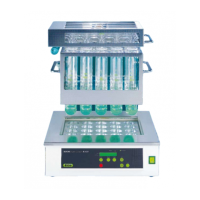
Figure 6: Placement of the controls and operational elements on the back
d
b
c
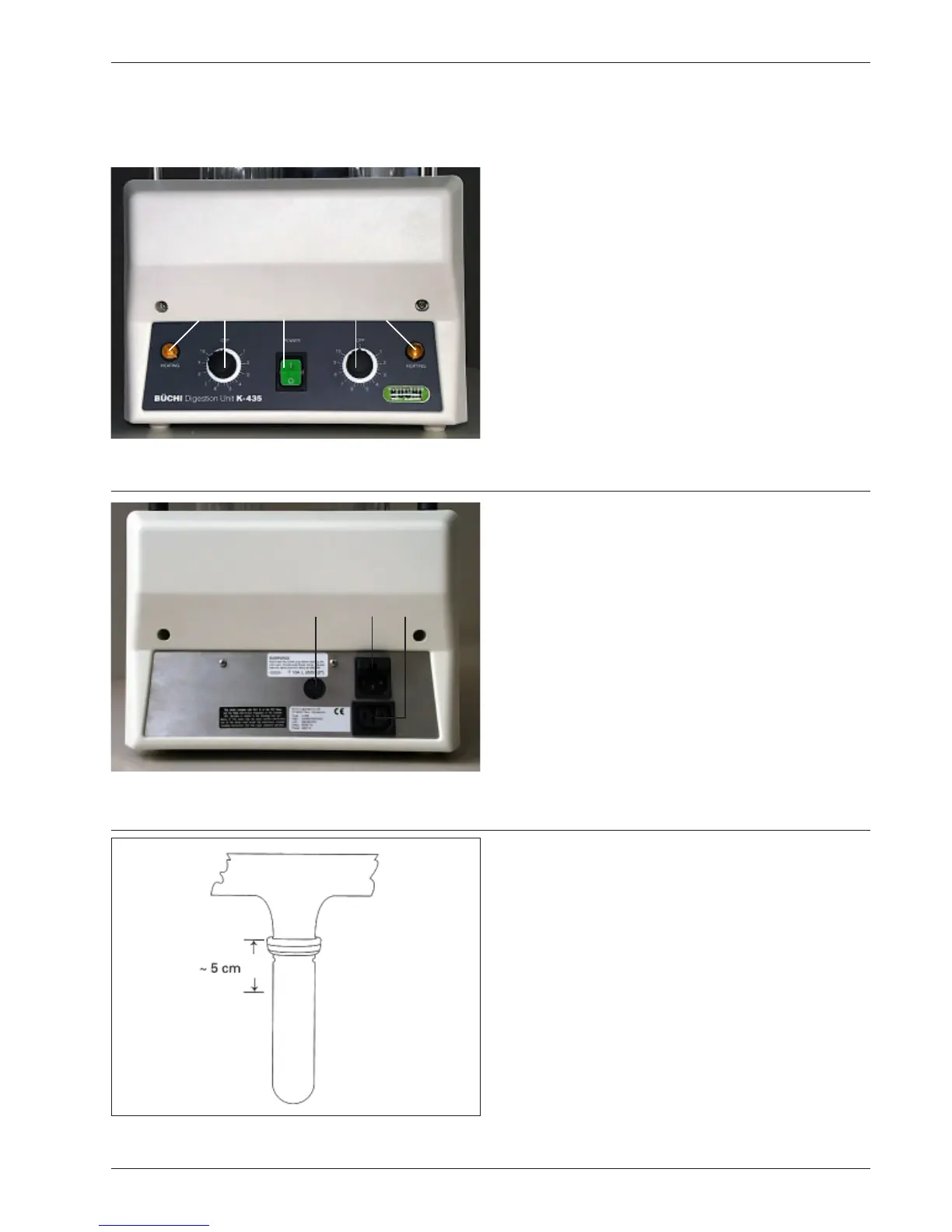
Figure 5: Placement of controls and operational elements on the front
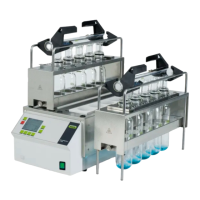
Figure 7: Condensation zone for sulfuric acid
5.1 Operational features
a Main switch
b Heat regulator
c Warning light for heating
d Power supply connection with fuse
e Power socket for Scrubber B-414
f Connection for B-436
5.2 Operational features and their function
Main switch a
Turns the apparatus on and off.
Heat regulator b
Regulates the heat in stages from 1-10.
5.3 General
The heating process causes the digestion glasses to be heated
evenly from all sides, ensuring good distillation characteristics
(no retardation of ebullition). Ebullition beads are needed only
for the evaporation of quantities of water greater than 10 ml
(do not use glass beads).
It is important that the condensation zone of the sulfuric acid
in the digestion glass not rise too high (maximum of 5 cm
under the edge of the glass).
As a rule, 18-20 ml H2SO4 will be used for a sample weight of
approximately 1 g of organic material.
If the sample weight is higher, approximately 3-5 ml H2SO4
(for fats and mineral oils, 5-10 ml) must be used for every
additional gram of organic material.
a
b
c
ef



 To Next Page