EasyManua.ls Logo

Carrier WeatherExpert 48LC Series - User Manual

Carrier WeatherExpert 48LC Series
76 pages
Print Icon
To Next Page IconTo Next Page
Loading...
Manufacturer reserves the right to discontinue, or change at any time, specifications or designs without notice and without incurring obligations.
Catalog No. 04-53480279-01 Printed in U.S.A. Form 48LC-4-6-02SM Pg 1 2-2020 Replaces: 48LC-4-6-01SM
Service and Maintenance Instructions
TABLE OF CONTENTS
SAFETY CONSIDERATIONS . . . . . . . . . . . . . . . . . . . 1
UNIT ARRANGEMENT AND ACCESS . . . . . . . . . . . . 3
Routine Maintenance . . . . . . . . . . . . . . . . . . . . . . . . . 3
Seasonal Maintenance . . . . . . . . . . . . . . . . . . . . . . . . 3
SUPPLY FAN (BLOWER) SECTION . . . . . . . . . . . . . . 4
Supply Fan (Belt-Drive) . . . . . .
. . . . . . . . . . . . . . . . . 4
COOLING . . . . . . . . . . . . . . . . . . . . . . . . . . . . . . . . . . . 5
Condenser Coil . . . . . . . . . . . . . . . . . . . . . . . . . . . . . . 5
Condenser Coil Maintenance and Cleaning
Recommendation . . . . . . . . . . . . . . . . . . . . . . . . . . 5
Evaporator Coil . . . . . . . . . . . . . . . . . . . . . . . . . . . . . . 7
Refrigerant System Pressure
Access Ports . . . . . . . 7
Compressor . . . . . . . . . . . . . . . . . . . . . . . . . . . . . . . . . 8
Filter Drier . . . . . . . . . . . . . . . . . . . . . . . . . . . . . . . . . . 8
Condenser-Fan Adjustment . . . . . . . . . . . . . . . . . . . . 8
Troubleshooting Cooling System . . . . . . . . . . . . . . . 8
PURON® (R-410A) REFRIGERANT . . . . . . . . . . . . . 10
Refrigerant Charge . . . . .
. . . . . . . . . . . . . . . . . . . . . 10
COOLING CHARGING CHARTS . . . . . . . . . . . . . . . . 11
THERMOSTATIC EXPANSION VALVE (TXV) . . . . . 14
TXV Operation . . . . . . . . . . . . . . . . . . . . . . . . . . . . . . 14
CONVENIENCE OUTLETS . . . . . . . . . . . . . . . . . . . . 14
Non-Powered Type . . . . . . . . . . . . . . . . . . . . . . . . . . 14
Unit-Powered Type . . . . . . . . . . . . .
. . . . . . . . . . . . . 14
SMOKE DETECTORS . . . . . . . . . . . . . . . . . . . . . . . . 15
System . . . . . . . . . . . . . . . . . . . . . . . . . . . . . . . . . . . . 15
Controller . . . . . . . . . . . . . . . . . . . . . . . . . . . . . . . . . . 15
Sensor . . . . . . . . . . . . . . . . . . . . . . . . . . . . . . . . . . . . 15
Smoke Detector Locations . . . . . . . . . . . . . . . . . . . . 16
Completing Installation of Return Air Smoke
Sensor . . . . . . . . . . . . . . . . . . . . . . . . . . . . . . . . . . 16
FIOP Smoke Detector Wiring and Response . . . . . 17
Sensor and Controller Tests . . . . . . . . . . . . . . . . . . 18
Indicators . . . . . . . . . . . . . . . . . . . . . . . . . . . . . . . . . . 20
Resetting Alarm and Trouble Condition Trips . . . . 21
Troubleshooting . . . . . .
. . . . . . . . . . . . . . . . . . . . . . 21
PROTECTIVE DEVICES . . . . . . . . . . . . . . . . . . . . . . 21
Compressor Protection . . . . . . . . . . . . . . . . . . . . . . 21
Supply (Indoor) Fan Motor Protection . . . . . . . . . . 21
Relief Device . . . . . . . . . . . . . . . . . . . . . . . . . . . . . . . 21
Control Circuit, 24-V . . . . . . . . . . . . . . . . . . . . . . . . . 21
GAS HEATING
SYSTEM . . . . . . . . . . . . . . . . . . . . . . 21
General . . . . . . . . . . . . . . . . . . . . . . . . . . . . . . . . . . . . 21
Fuel Types and Pressures . . . . . . . . . . . . . . . . . . . . 22
Flue Gas Passageways . . . . . . . . . . . . . . . . . . . . . . . 23
Combustion-Air Blower . . . . . . . . . . . . . . . . . . . . . . 23
Burners and Igniters . . . . . . . . . . . . . . . . . . . . . .
. . . 24
Burner Ignition . . . . . . . . . . . . . . . . . . . . . . . . . . . . . 25
Orifice Replacement . . . . . . . . . . . . . . . . . . . . . . . . .26
Minimum Heating Entering Air Temperature . . . . . .26
Troubleshooting Heating System . . . . . . . . . . . . . . .26
PRE-START-UP . . . . . . . . . . . . . . . . . . . . . . . . . . . . .32
START-UP, GENERAL . . . . . . . . . . . . . . . . . . .
. . . . .32
Unit Preparation . . . . . . . . . . . . . . . . . . . . . . . . . . . . .32
Gas Piping . . . . . . . . . . . . . . . . . . . . . . . . . . . . . . . . .32
Return-Air Filters . . . . . . . . . . . . . . . . . . . . . . . . . . . .32
Outdoor-Air Inlet Screens . . . . . . . . . . . . . . . . . . . . .33
Compressor Mounting . . . . . . . . . . . . . . . . . . . . . . . .33
Internal Wiring .
. . . . . . . . . . . . . . . . . . . . . . . . . . . . .33
Refrigerant Service Ports . . . . . . . . . . . . . . . . . . . . .33
Compressor Rotation . . . . . . . . . . . . . . . . . . . . . . . .33
Cooling . . . . . . . . . . . . . . . . . . . . . . . . . . . . . . . . . . . .33
Main Burners . . . . . . . . . . . . . . . . . . . . . . . . . . . . . . .33
Heating . . . . . . . . . . . . . . . . .
. . . . . . . . . . . . . . . . . . .33
Ventilation (Continuous Fan) . . . . . . . . . . . . . . . . . .33
Electrical Connections . . . . . . . . . . . . . . . . . . . . . . .33
RTU Open Control System . . . . . . . . . . . . . . . . . . . .35
SystemVu™ (Factory Option) . . . . . . . . . . . . . . . . . .35
Economi$er® X (Factory Option) . . . . . . . . . . . . . . .35
VFD OPERATION WITH REMOTE KEYPAD . . . . . . .46
To Connect the VFD Keypad using the RJ
-45
Cable . . . . . . . . . . . . . . . . . . . . . . . . . . . . . . . . . . . .46
Start Up with Assistant . . . . . . . . . . . . . . . . . . . . . . .46
Start Up by Changing Parameters Individually . . . .47
VFD Modes . . . . . . . . . . . . . . . . . . . . . . . . . . . . . . . . .47
Fan Speed Relay Board . . . . . . . . . . . . . . . . . . . . . . .58
Configuration Jumpers . . . . . . . . . . . .
. . . . . . . . . . .58
Variable Frequency Drive . . . . . . . . . . . . . . . . . . . . .58
FASTENER TORQUE VALUES . . . . . . . . . . . . . . . . .60
APPENDIX A MODEL NUMBER
NOMENCLATURE . . . . . . . . . . . . . . . . . . . . . . . . . .61
APPENDIX B PHYSICAL DATA . . . . . . . . . . . . . . .62
APPENDIX C FAN DATA . . . . . . . . . . . . . . . . . . . .63
APPENDIX D WIRING DIAGRAMS . . . . .
. . . . . . .71
START-UP CHECKLIST . . . . . . . . . . . . . . . . . . . . .CL-1
SAFETY CONSIDERATIONS
Installation and servicing of air-conditioning equipment can be
hazardous due to system pressure and electrical components. Only
trained and qualified service personnel should install, repair, or
service air-conditioning equipment.
Untrained personnel can perform basic maintenance functions of
cleaning coils and filters and replacing filters. All other operations
should be performed by trained service personnel. When working
on air-conditioning equipment, observe precautions in the
literature, tags and labels attached to the unit, and other safety
precautions that may apply.
Follow all safety codes, including ANSI (American National
Standards Institute) Z223.1. Wear safety glasses and work gloves.
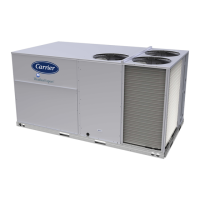
WeatherExpert
®
48LC 04-06
Single Package Rooftop
Gas Heating/Electric Cooling Unit
with Puron
®
(R-410A) Refrigerant

Table of Contents

Other manuals for Carrier WeatherExpert 48LC Series

Questions and Answers

  • M
    michael61Aug 14, 2025
    Why won't my Carrier Air Conditioner compressor and condenser fan start?
    • W
      wgonzalezAug 14, 2025
      Several issues can prevent your Carrier Air Conditioner's compressor and condenser fan from starting. It could be due to a power failure (call power company), a blown fuse or tripped circuit breaker (replace fuse or reset breaker), a defective component like the thermostat, contactor, transformer, or control relay (replace the component). Also, insufficient line voltage (determine and correct the cause), incorrect wiring (check the wiring diagram and rewire), or the thermostat setting being too high (lower the thermostat setting) can be the reason.
  • D
    Diana Cooper DDSAug 17, 2025
    Why does my Carrier WeatherExpert 48LC compressor keep running?
    • C
      Charles PerezAug 17, 2025
      Your Carrier Air Conditioner's compressor might run continuously due to several reasons: a dirty air filter (replace it), the unit being undersized for the load (decrease the load or increase unit size), thermostat set too low (reset thermostat), low refrigerant charge (locate leak, repair and recharge), leaking valves in the compressor (replace compressor), air in the system (recover refrigerant, evacuate system, and recharge), or a dirty or restricted condenser coil (clean the coil or remove the restriction).
  • S
    Susan MayerAug 21, 2025
    What to do if my Carrier Air Conditioner compressor cycles too often?
    • J
      joseph12Aug 21, 2025
      If your Carrier Air Conditioner's compressor cycles more than it should, consider these potential causes: refrigerant overcharge or undercharge (recover refrigerant, evacuate system, and recharge to nameplate), a defective compressor (replace and determine cause), insufficient line voltage (determine cause and correct), a blocked condenser (determine cause and correct), a defective run/start capacitor, overload, or start relay (determine cause and replace), a defective thermostat (replace thermostat), a faulty condenser-fan motor or capacitor (replace), or a restriction in the refrigerant system (locate restriction and remove).
  • D
    David PierceAug 25, 2025
    What to do if Carrier WeatherExpert 48LC Air Conditioner compressor won't start, but condenser fan runs?
    • C
      ccameronAug 25, 2025
      If your Carrier Air Conditioner's condenser fan runs, but the compressor doesn't start, the issue could stem from faulty wiring or loose connections in the compressor circuit (check wiring and repair or replace), a compressor motor that's burned out, seized, or has an internal overload open (determine cause and replace compressor), a defective run/start capacitor, overload, or start relay (determine cause and replace), or one leg of three-phase power being dead (replace fuse or reset circuit breaker and determine cause).
  • K
    Kimberly TaylorAug 27, 2025
    How to reduce excessive head pressure in my Carrier WeatherExpert 48LC?
    • B
      Brandon LeeAug 28, 2025
      Excessive head pressure in your Carrier Air Conditioner may be caused by a dirty air filter (replace filter), a dirty condenser coil (clean coil), refrigerant overcharge (recover excess refrigerant), air in the system (recover refrigerant, evacuate system, and recharge), or restricted condenser air or air short-cycling (determine cause and correct).
  • N
    Nancy LopezAug 31, 2025
    How to troubleshoot low suction pressure in Carrier WeatherExpert 48LC Air Conditioner?
    • D
      Derek SimonAug 31, 2025
      Low suction pressure in your Carrier Air Conditioner can result from a dirty air filter (replace filter), a low refrigerant charge (check for leaks; repair and recharge), a restricted metering device or low side (remove source of restriction), insufficient evaporator airflow (increase air quantity and check/replace filter), a temperature that is too low in the conditioned area (reset thermostat), or an outdoor ambient below 25°F (install low-ambient kit).
  • F
    Fred MillerSep 3, 2025
    What causes low head pressure in my Carrier WeatherExpert 48LC Air Conditioner?
    • J
      Joe MackSep 3, 2025
      Low head pressure in your Carrier Air Conditioner can be caused by a low refrigerant charge (check for leaks; repair and recharge), leaking compressor valves (replace compressor), or a restriction in the liquid tube (remove restriction).
  • C
    Christopher VelasquezSep 6, 2025
    What causes excessive suction pressure in Carrier WeatherExpert 48LC?
    • A
      Anthony EricksonSep 6, 2025
      Excessive suction pressure in your Carrier Air Conditioner might be due to a high head load (check for source and eliminate), leaking compressor valves (replace compressor), or refrigerant overcharge (recover excess refrigerant).
  • J
    Joel ReedSep 10, 2025
    Why won't the evaporator fan shut off on my Carrier Air Conditioner?
    • S
      Shelby HamiltonSep 10, 2025
      The evaporator fan might not shut off on your Carrier Air Conditioner because the time off delay is not finished. Wait for 30 second off delay.

Summary

Safety Considerations

UNIT ARRANGEMENT AND ACCESS

SUPPLY FAN (BLOWER) SECTION

Belt Maintenance and Adjustment

Covers belt condition, tension, and replacement procedures.

COOLING

Condenser Coil Cleaning

Provides guidelines for cleaning condenser coils for optimal performance.

Evaporator Coil Cleaning

Details the procedure for cleaning the evaporator coil.

Compressor

Compressor Rotation Check

Explains how to determine the correct compressor rotation direction.

PURON (R-410 A) REFRIGERANT

Low-Charge Cooling Procedure

Procedure for charging the system using cooling charts and subcooling.

THERMOSTATIC EXPANSION VALVE (TXV)

TXV Replacement

Provides a step-by-step guide for replacing the thermostatic expansion valve.

SMOKE DETECTORS

FIOP Smoke Detector Wiring

Covers wiring and response highlights for the FIOP smoke detector.

Sensor and Controller Tests

Sensor Alarm Test

Procedure for testing the sensor's alarm state.

Controller Alarm Test

Procedure for testing the controller's alarm state.

Detector Cleaning

Procedure for cleaning the duct smoke detector sensor.

PROTECTIVE DEVICES

Compressor Protective Devices

Details overcurrent and overtemperature protection for compressors.

GAS HEATING SYSTEM

Fuel Types and Pressures

Specifications for Natural Gas and Liquid Propane fuel types and pressures.

Burners and Igniters

Gas Train Removal and Replacement

Step-by-step procedure for removing and replacing the gas train.

Gas Valve

Orifice Replacement

PRE-START-UP

Personal Injury Hazard Precautions

Safety precautions for servicing, emphasizing PPE and safe practices.

Electrical Hazard Precautions

Electrical safety precautions including grounding and lockout/tagout.

START-UP, GENERAL

Unit Preparation Checklist

Checklist for unit preparation before initial startup.

Cooling

Cooling System Startup

Procedure for starting the unit in cooling mode.

Heating

Heating System Startup

Procedure for starting the unit in heating mode.

FIELD CONTROL WIRING

Thermostat Wiring

Installation and wiring instructions for the thermostat.

Economi$er X (Factory Option)

Economizer Setup and Configuration

Requirement to set up and configure the economizer module before use.

ECONOMIZING

Economizer Checkout Tests

Performing checkout tests for economizer operation.

VFD OPERATION WITH REMOTE KEYPAD

VFD Parameter Adjustment

Procedure for adjusting VFD parameters individually.

VFD DIAGNOSTICS

START-UP CHECKLIST FOR 48 LC SINGLE PACKAGE ROOFTOP COOLING ONLY

IV. HUMIDI-MIZER START-UP

Carrier WeatherExpert 48LC Series Specifications

General IconGeneral
RefrigerantR-410A
Compressor TypeScroll
Frequency60 Hz
TypeAir Conditioner
Voltage208/230V
Phase3
Operating Temperature Range (Cooling)Up to 125°F (52°C)

Related product manuals