2001
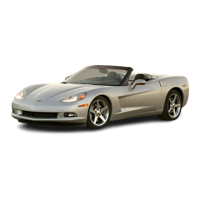
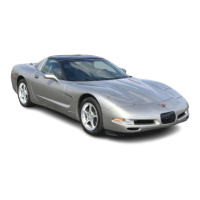
Chevrolet Corvette Restoration Kit
Fuel System Specifications
Use premium unleaded gasoline rated at
91
octane or higher for best performance. You may use middle
grade or regular unleaded gasolines, but your vehicle may not accelerate
as
well.
It
is
recommended that the gasoline meet specification which have been developed by the American
Automobile Manufactures Association (AAMA) and endorsed by the Canadian Motor Vehicle
Manufacturers Association for better vehicle performance and engine protection.
Gasolines meeting the
AAMA specification
could provide improved driveability and emission control system performance
compared to other
gasolines. For more information, write
to:
American Automobile Manufacturer's
Association, 7430
Second Ave, Suite 300, Detroit
MI
48202.
Be sure the posted octane for premium is at
least
91
(at least 89 for middle grade and 87 for regular). If
the octane
is
less than 87, you may get a heavy knocking noise when you drive. If it's bad enough,
it
can
damage your engine.
If you're using fuel rated at the recommended octane or higher and you hear heavy knocking, your engine
needs service. But don't worry if you hear a
little pinging noise when you're accelerating or driving up a
hill. That's normal, and you don't have to buy a higher octane fuel to get
rid
of
pinging. It's the heavy,
constant knock that means you have a
problem.
Notice
Your vehicle was not designed for fuel that contains methanol. Do not use methanol fuel which can
corrode
metal parts
in
your fuel system and also damage plastic and rubber parts. This kind
of
damage
would not be covered under your warranty.
If your vehicle
is
certified to meet to meet California Emission Standards (indicated on the under hood
emission
control label), it is designed to operate on fuels that meet California specifications. If such fuels
are not available
in
states adopting California emissions standards, your vehicle will operate satisfactorily
on
fuels meeting federal specifications, but emission control system performance may be affected. The
malfunction indicator lam p on your instrument panel may turn on and/or your vehicle
may
fail a smog-
check test.
If this occurs, return to your authorized dealer for diagnosis to determine the cause
of
failure.
In
the event
it
is
determined that the cause
of
the condition
is
the type
of
fuels used, repairs may not
be
covered by your warranty.
Some gasolines that are not reformulated for low emissions may contain an octane-enhancing additive
called methylcyclopentadienyl manganese tricarbonyl (MMT); ask your service station operator whether
or not the
fuel contains MMT.
Page
77







 To Next Page