3
WARRANTY AND SERVICE
Limited One Year Warranty
This product is guaranteed against faulty manufacture for a period
of 12 months from the date of purchase. Please keep your receipt
which will be required as proof of purchase.
This guarantee is invalid if the product is found to have been abused
or tampered with in any way, or not used for its intended purpose.
Faulty goods should be returned to their place of purchase, no
product can be returned to us without prior permission. This
guarantee does not affect your statutory rights.
1 INTRODUCTION
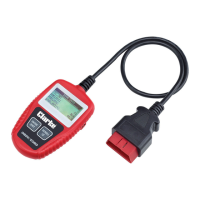
1.1 About the CEOBD 2 Code Reader
This powerful device will help you take charge of your vehicle’s
maintenance and servicing needs. Today’s vehicles use computer control
systems to ensure peak performance and fuel efficiency while reducing
pollutants in the vehicle’s emissions. These systems also have the ability
to perform self-testing and diagnostics on various vehicle systems and
components, and provide valuable information to aid in servicing and
repair. However, these sophisticated systems often required expensive
devices and test equipment in order to retrieve this information. Until now,
consumers had to rely on professional service technicians to maintain
their vehicles in top condition.
The OBD 2 Code Reader brings the power of the technician into your
hands in a cost-effective, easy-to-use package. Whether you are a “put
the key in and go” consumer, hobby mechanic or skilled DIYer, the Code
Reader offers the features and functions you need to take control of your
vehicle’s testing, servicing and maintenance needs.
1.2 Safety Precautions and Warnings
To prevent personal injury or damage to vehicles and/or the code
reader, read this instruction manual first and observe the following
safety precautions as a minimum whenever working on a vehicle:
1. Always perform automotive testing in a safe environment.
2. Wear safety eye protection that meets approved standards.
3. Keep clothing, hair, hands, tools, test equipment, etc, away from all
moving or hot engine parts.
4. Operate the vehicle in a well-ventilated work area; exhaust gases are
poisonous.
5. Put blocks against driven wheels and never leave th e vehicle
unattended while running tests.


 To Next Page