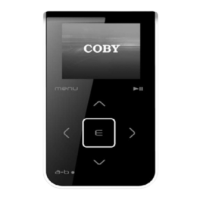
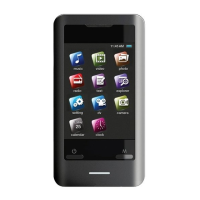
The COBY MPC832 is a portable MP3 player designed to store and play digital music files. This setup guide focuses on how to transfer music from audio CDs to the device using Windows Media Player 11 (WMP11) and provides common troubleshooting solutions.
Function Description
The primary function of the COBY MPC832 is to provide a portable platform for listening to MP3 and WMA digital music files. Users can rip music from their audio CDs, convert them into a compatible digital format, and then transfer these files to the player. This allows for music playback on the go, without the need for a computer or physical media. The device acts as a storage medium for digital audio, enabling users to carry a selection of their favorite music wherever they go. The process involves using a computer with an internet connection (for retrieving album information during ripping) and Windows Media Player 11 to manage the music library and synchronize files with the COBY player.
Usage Features
The usage of the COBY MPC832 involves a multi-step process, starting with preparing music files on a computer and then transferring them to the device.
-
Launching Windows Media Player 11 (WMP11): The first step in managing music for the COBY MPC832 is to open WMP11 on your computer. This is typically done by clicking the "Start Menu" button, navigating to "All Programs," and then selecting "Windows Media Player." If WMP11 is not installed, the guide directs users to download it from Microsoft's website.
-
Ripping Audio CDs:
- Inserting an Audio CD: To get music onto the player, an audio CD must first be inserted into the computer's CD-ROM drive.
- Automatic Album Information Retrieval: If the computer has an active internet connection, WMP11 will automatically detect the CD and retrieve album information, including track titles, artist, and composer, displaying it within the player interface.
- Selecting Tracks to Rip: Users can then navigate to the "Rip" tab within WMP11. Here, individual tracks can be selected for ripping by checking the corresponding boxes. To rip the entire album, a single top-level checkbox can be selected.
- Setting Rip Options (Optional but Recommended): Before initiating the rip, users have the option to configure rip settings. Clicking the "Rip" button again reveals a menu where "Format > mp3" is recommended for compatibility and "Bit Rate > 128 Kbps" for a balance of quality and file size.
- Changing Save Directory: Under "More Options," users can change the default directory where WMP11 saves the ripped music files. By default, WMP saves music to the "My Documents > My Music" folder.
- Starting the Ripping Process: Once selections and settings are confirmed, clicking "Rip" and then "Rip" again initiates the conversion of audio CD tracks into digital MP3/WMA files. This process takes a few minutes to complete, and WMP11 will save the converted files to the specified folder.
-
Transferring MP3/WMA Files to the COBY Player (Syncing):
- Launching WMP11: As with ripping, the process begins by launching WMP11.
- Connecting the COBY Player: The COBY MPC832 is connected to a USB port on the computer. WMP11 is designed to automatically detect the connected player. The interface will show the device, often with its model name (e.g., MP-C951 Generic) and available storage space.
- Browsing the Music Library: Users then browse their music library within WMP11 to select songs for synchronization. This involves clicking the "Sync" tab.
- Choosing a View: Double-clicking an icon in the library view allows users to choose how they want to view their music (e.g., by artist, album, genre).
- Selecting Songs to Sync:
- Search Functionality: A search bar is available to quickly find specific songs.
- Track Selection: Individual tracks can be selected by clicking them. To select multiple tracks, users can hold down the CTRL or SHIFT key while clicking.
- Adding to Sync List: Selected tracks are then dragged and dropped into the "Sync List" area, which is typically on the right side of the WMP11 interface. This creates a queue of songs to be transferred to the COBY player.
- Initiating Synchronization: Once the desired songs are in the Sync List, clicking the "Start Sync" button begins the transfer process.
- Disconnecting the Player: After the synchronization is complete, the guide instructs users to unplug the COBY player from the USB port. The device is then ready for use, with the newly transferred music available for listening.
Maintenance Features
The guide provides a "Common Troubleshooting" section that outlines potential problems and their solutions, which can be considered maintenance features in terms of keeping the device operational.
-
No Power:
- Battery Replacement: The first suggestion is to replace the battery, indicating that the device uses a removable or replaceable battery.
- Power Button Reset: Holding the Play/Pause/Stop button for 5 seconds is suggested as a soft reset for power issues.
- Hard Reset: Removing and reinserting the battery is recommended for a more definitive reset of the MP3 player.
-
Song Freezes:
- DRM Protection Check: Users are advised to ensure that their WMA files are not DRM (Digital Rights Management) protected, as DRM-protected files may not play correctly or at all on the device.
- File Integrity Check: The guide suggests checking if the music file itself is corrupted or damaged, which could lead to freezing during playback.
- Unsupported File Format: It's important to verify that the file format is supported (MP3/WMA). The guide explicitly mentions that formats like ACC, WAV, etc., might be unsupported.
-
No Sound After File Transfer:
- Headphone Connection: The primary solution is to ensure that the headphones are securely attached to the player.
- DRM and File Format Checks: Similar to song freezes, users should check for DRM protection on WMA files and confirm that the file format is supported.
-
MP3 Player Not Recognized by the Computer:
- Connection Check: The first step is to check the physical USB connection between the player and the computer.
- Switch USB Ports: If the connection seems fine, trying a different USB port on the computer is recommended, as some ports might have issues.
- Hard Reset: As with power issues, removing and reinserting the battery is suggested to reset the MP3 player, which might help the computer recognize it.
For further assistance, the guide provides contact information for Customer Care, including phone numbers and email addresses, during specified operating hours. This ensures that users have support channels available if they encounter persistent issues beyond the basic troubleshooting steps.



 To Next Page
 General