Safety
Important Safety Information
Those involved in the design, manufacture, and installation of a system, system purchasers, and service personnel may
need to be aware of hazards and precautions discussed in this section and throughout this document. OEMs integrating
the compressor into a system should ensure that their own employees follow this bulletin and provide any necessary
safety information to those involved in manufacturing, installing, purchasing, and servicing the system.
Responsibilities, Qualifications and Training
• OEMs are responsible for system design, selection of appropriate components, integration of this component into the
system, and testing the system. OEMs must ensure that staff involved in these activities are competent and qualified.
• OEMs are also responsible for ensuring that all product, service, and cautionary labels remain visible or are
appropriately added in a conspicuous location on the system to ensure they are clear to any personnel involved in the
installation, commissioning, troubleshooting or maintenance of this equipment.
• Only qualified and authorized HVAC or refrigeration personnel are permitted to install, commission, troubleshoot and
maintain this equipment. Electrical connections must be made by qualified electrical personnel.
• Observe all applicable standards and codes for installing, servicing, and maintaining electrical and refrigeration
equipment.
Terminal Venting and Other Pressurized System Hazards
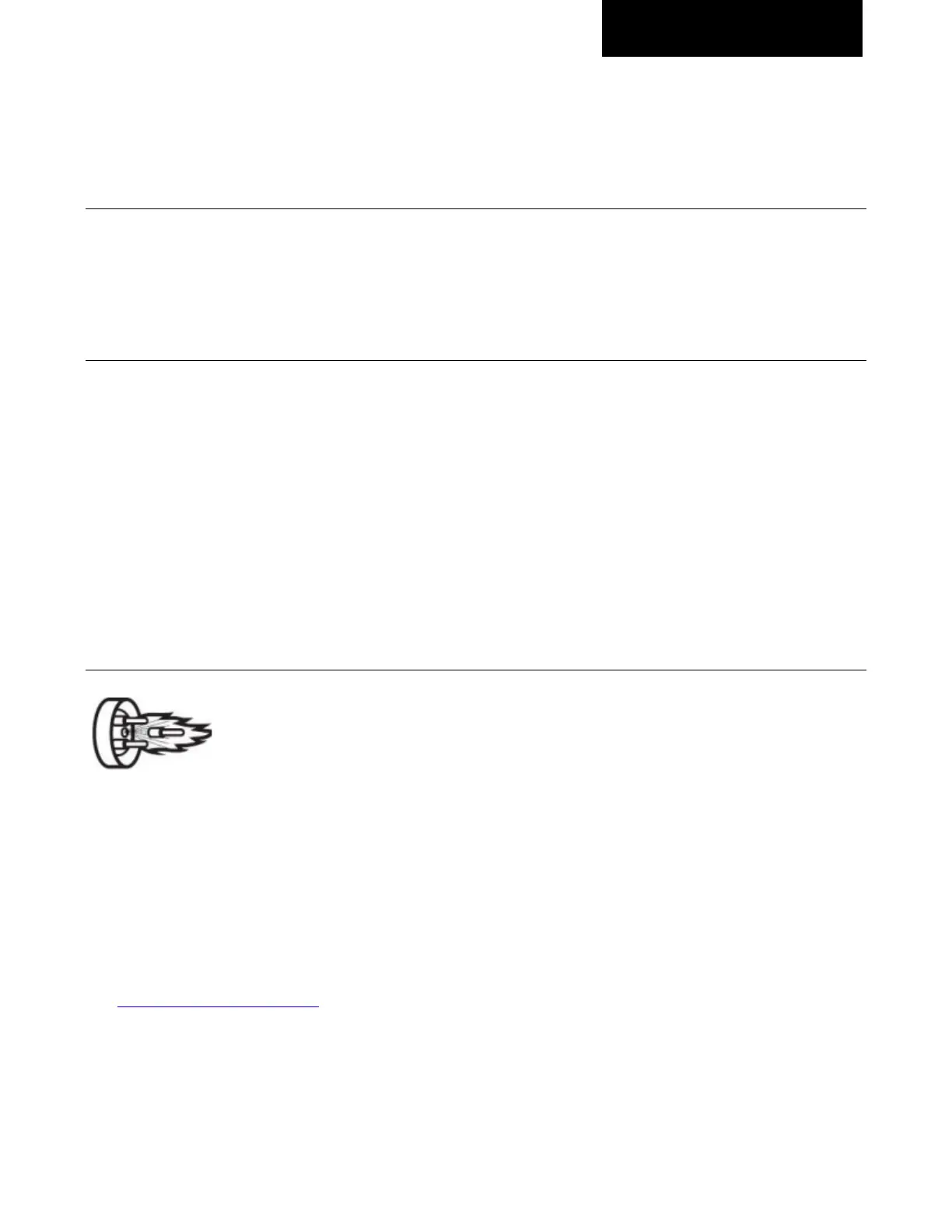
If a compressor’s electrical terminal pin loses its seal, pressurized oil, refrigerant, and debris may
spray out. This is called “terminal venting”.
The ejected debris, oil, and refrigerant can injure people or damage property. The oil and
refrigerant spray can be ignited by electrical arcing at the terminal or any nearby ignition source,
producing flames that may project a significant distance from the compressor. The distance depends on the pressure
and the amount of refrigerant and oil mixture in the system. The flames can cause serious or fatal burns and ignite
nearby materials.
Each compressor has a terminal cover or molded plug that covers electrical connections. The cover or plug helps to
protect against electric shock and the risks of terminal venting. If terminal venting occurs, the cover or plug helps contain
the spray of refrigerant and oil and reduces the risk of ignition. If ignition occurs, the plug or cover helps contain the
flames. However, neither the terminal cover nor the molded plug can completely eliminate the risk of venting, ignition, or
electric shock.
See copeland.com/terminal-venting for more details about terminal venting. Additionally, a compressor’s refrigerant lines
keep refrigerant and oil under pressure. When removing or recharging refrigerant from this component during service,
this can pose a pressurized fluid hazard.



 To Next Page