EasyManua.ls Logo

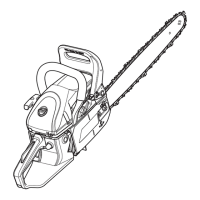
Craftsman 316.381880 - User Manual

Craftsman 316.381880
30 pages
Print Icon
To Next Page IconTo Next Page
Loading...
769-09850 / 00 05/14
Sears Brands Management Corporation, Hoffman Estates, IL 60179 U.S.A.
Visit our website: www.craftsman.com
CAUTION: Before using this product,
read this manual and follow all its Safety
Rules and Operating Instructions.
Operator’s Manual
• SAFETY
• ASSEMBLY
• OPERATION
• MAINTENANCE
• ESPAÑOL, P. 31
2-Cycle
GAS CHAINSAW
Model No. 316.381880

Questions and Answers

Summary

IMPORTANT SAFETY INSTRUCTIONS

READ ALL INSTRUCTIONS BEFORE OPERATING

Read and follow all safety rules before operating the unit.

SAFETY WARNINGS FOR GAS UNITS

Precautions for handling gasoline and operating gas-powered units.

WHILE OPERATING

Guidelines for safe operation of the unit during use.

KICKBACK SAFETY

Understanding Kickback

Explains the causes and nature of kickback for user safety.

Kickback Safety Precautions

Steps to take to reduce the risk of kickback accidents.

OTHER SAFETY WARNINGS

SAFETY & INTERNATIONAL SYMBOLS

WARRANTY

KNOW YOUR UNIT

APPLICATIONS

Lists the intended uses and functions of the chainsaw.

ASSEMBLY TOOLS REQUIRED

Lists the tools needed for initial assembly of the unit.

SAFETY FEATURES

LOW-KICKBACK SAW CHAIN

Describes the chain design that reduces kickback risk.

CHAIN BRAKE

Explains how the chain brake stops the chain in emergencies.

THROTTLE LOCKOUT

Explains how this prevents accidental acceleration.

CHAIN CATCHER

Describes the catcher's role in intercepting a broken chain.

SPECIFICATIONS

REPLACEMENT PARTS

ASSEMBLY

ADDING BAR AND CHAIN OIL: INITIAL USE

Instructions for filling the chain oil reservoir before first use.

ADJUSTING THE CHAIN TENSION: INITIAL USE

Procedure for setting the correct chain tension before starting.

TESTING THE CHAIN BRAKE

Steps to verify the proper function of the chain brake.

OIL AND FUEL

Using Blended Fuels

Guidelines for using blended fuels, including precautions.

Using Fuel Additives

Information on using specific additives with fuel.

Mixing the Fuel

Instructions for correctly mixing fuel and oil for the unit.

FUELING THE UNIT

Steps for safely filling the fuel tank.

STARTING AND STOPPING

STARTING INSTRUCTIONS

Step-by-step guide for starting the chainsaw engine.

Emergency Stopping

Procedures for quickly stopping the unit in an emergency.

OPERATION

TIPS FOR BEST RESULTS

Advice for optimal performance and cutting.

PREPARING THE WORK AREA

HOLDING THE UNIT

Proper grip and stance for operating the chainsaw safely.

CUTTING PROCEDURE BASICS

Fundamental steps for making cuts with the chainsaw.

FELLING: SAFETY

FELLING: PROCEDURE

Step-by-step instructions for safely cutting down trees.

LIMBING

BUCKING: SAFETY

BUCKING: PROCEDURE

Steps for cutting fallen trees into logs.

Cutting Logs Under Stress

Techniques for cutting logs that are bent or under tension.

Cutting Fully-Supported Logs

Methods for cutting logs supported along their entire length.

PRUNING

MAINTENANCE

MAINTENANCE SCHEDULE

Recommended maintenance tasks and their frequency.

CUSTOMER RESPONSIBILITY

Outlines user's duties for maintaining the unit.

ADDING BAR AND CHAIN OIL

ADJUSTING THE BAR AND CHAIN OIL FLOW

ADJUSTING THE CHAIN TENSION

REMOVING AND INSTALLING THE GUIDE BAR AND SAW CHAIN

Removing the Guide Bar and Saw Chain

Steps to detach the guide bar and chain from the unit.

Installing the Guide Bar and Saw Chain

Steps to attach the guide bar and chain to the unit.

MAINTAINING THE SAW CHAIN

Guidelines for keeping the saw chain in good working order.

SHARPENING THE SAW CHAIN

MAINTAINING THE GUIDE BAR

Lubricating the Guide Bar Sprocket Tip

Procedure for lubricating the guide bar sprocket tip.

REPLACING THE GUIDE BAR AND SAW CHAIN

MAINTAINING THE AIR FILTER

Cleaning the Air Filter

Steps to clean the air filter for optimal engine performance.

ADJUSTING THE IDLE SPEED

MAINTAINING THE SPARK PLUG

CLEANING AND STORAGE

CLEANING

Instructions for cleaning the unit after use.

STORAGE

Guidelines for storing the unit, including short and long-term.

Long-term Storage (30 days or more)

Specific steps for storing the unit for extended periods.

TROUBLESHOOTING

REPAIR PROTECTION AGREEMENTS

Summary

IMPORTANT SAFETY INSTRUCTIONS

READ ALL INSTRUCTIONS BEFORE OPERATING

Read and follow all safety rules before operating the unit.

SAFETY WARNINGS FOR GAS UNITS

Precautions for handling gasoline and operating gas-powered units.

WHILE OPERATING

Guidelines for safe operation of the unit during use.

KICKBACK SAFETY

Understanding Kickback

Explains the causes and nature of kickback for user safety.

Kickback Safety Precautions

Steps to take to reduce the risk of kickback accidents.

OTHER SAFETY WARNINGS

SAFETY & INTERNATIONAL SYMBOLS

WARRANTY

KNOW YOUR UNIT

APPLICATIONS

Lists the intended uses and functions of the chainsaw.

ASSEMBLY TOOLS REQUIRED

Lists the tools needed for initial assembly of the unit.

SAFETY FEATURES

LOW-KICKBACK SAW CHAIN

Describes the chain design that reduces kickback risk.

CHAIN BRAKE

Explains how the chain brake stops the chain in emergencies.

THROTTLE LOCKOUT

Explains how this prevents accidental acceleration.

CHAIN CATCHER

Describes the catcher's role in intercepting a broken chain.

SPECIFICATIONS

REPLACEMENT PARTS

ASSEMBLY

ADDING BAR AND CHAIN OIL: INITIAL USE

Instructions for filling the chain oil reservoir before first use.

ADJUSTING THE CHAIN TENSION: INITIAL USE

Procedure for setting the correct chain tension before starting.

TESTING THE CHAIN BRAKE

Steps to verify the proper function of the chain brake.

OIL AND FUEL

Using Blended Fuels

Guidelines for using blended fuels, including precautions.

Using Fuel Additives

Information on using specific additives with fuel.

Mixing the Fuel

Instructions for correctly mixing fuel and oil for the unit.

FUELING THE UNIT

Steps for safely filling the fuel tank.

STARTING AND STOPPING

STARTING INSTRUCTIONS

Step-by-step guide for starting the chainsaw engine.

Emergency Stopping

Procedures for quickly stopping the unit in an emergency.

OPERATION

TIPS FOR BEST RESULTS

Advice for optimal performance and cutting.

PREPARING THE WORK AREA

HOLDING THE UNIT

Proper grip and stance for operating the chainsaw safely.

CUTTING PROCEDURE BASICS

Fundamental steps for making cuts with the chainsaw.

FELLING: SAFETY

FELLING: PROCEDURE

Step-by-step instructions for safely cutting down trees.

LIMBING

BUCKING: SAFETY

BUCKING: PROCEDURE

Steps for cutting fallen trees into logs.

Cutting Logs Under Stress

Techniques for cutting logs that are bent or under tension.

Cutting Fully-Supported Logs

Methods for cutting logs supported along their entire length.

PRUNING

MAINTENANCE

MAINTENANCE SCHEDULE

Recommended maintenance tasks and their frequency.

CUSTOMER RESPONSIBILITY

Outlines user's duties for maintaining the unit.

ADDING BAR AND CHAIN OIL

ADJUSTING THE BAR AND CHAIN OIL FLOW

ADJUSTING THE CHAIN TENSION

REMOVING AND INSTALLING THE GUIDE BAR AND SAW CHAIN

Removing the Guide Bar and Saw Chain

Steps to detach the guide bar and chain from the unit.

Installing the Guide Bar and Saw Chain

Steps to attach the guide bar and chain to the unit.

MAINTAINING THE SAW CHAIN

Guidelines for keeping the saw chain in good working order.

SHARPENING THE SAW CHAIN

MAINTAINING THE GUIDE BAR

Lubricating the Guide Bar Sprocket Tip

Procedure for lubricating the guide bar sprocket tip.

REPLACING THE GUIDE BAR AND SAW CHAIN

MAINTAINING THE AIR FILTER

Cleaning the Air Filter

Steps to clean the air filter for optimal engine performance.

ADJUSTING THE IDLE SPEED

MAINTAINING THE SPARK PLUG

CLEANING AND STORAGE

CLEANING

Instructions for cleaning the unit after use.

STORAGE

Guidelines for storing the unit, including short and long-term.

Long-term Storage (30 days or more)

Specific steps for storing the unit for extended periods.

TROUBLESHOOTING

REPAIR PROTECTION AGREEMENTS

Overview

This document is an operator's manual for a CRAFTSMAN® 2-Cycle Gas Chainsaw, Model No. 316.381880. It provides comprehensive instructions for the safe operation, assembly, maintenance, and troubleshooting of the device.

The chainsaw is designed for various wood-cutting applications, including felling and limbing trees, cutting logs (bucking), and pruning trees. It is intended for infrequent use by homeowners, cottagers, and campers, and for general applications. The manual emphasizes that it is not designed for prolonged use, as this may lead to circulatory problems in the user's hands due to vibration.

Safety Features:

The chainsaw incorporates several safety features to minimize risks during operation. A LOW-KICKBACK SAW CHAIN is designed to significantly reduce the chance and intensity of kickback through specially designed depth gauges and guard links. The SPARK ARRESTER SCREEN retains carbon and other flammable particles from the engine exhaust, complying with local, state, and federal regulations for fire prevention. The CHAIN BRAKE LEVER / FRONT HAND GUARD protects the operator's left hand if it slips off the front handle and is also used to manually engage the chain brake. The CHAIN BRAKE itself is designed to automatically engage in response to kickback, stopping the saw chain in milliseconds, and can also be manually activated. An ON/OFF SWITCH allows for immediate engine shutdown when moved to the OFF position. A THROTTLE LOCKOUT prevents accidental acceleration of the engine, ensuring the throttle control cannot be squeezed unless the lockout is depressed. Finally, a CHAIN CATCHER is included to reduce the chance of injury if the saw chain breaks or derails by intercepting a whipping chain.

Usage Features:

Before operating the chainsaw, users are instructed to read all safety rules and operating instructions carefully. The manual stresses the importance of being familiar with controls, knowing how to stop the unit quickly, and never allowing children or untrained adults to operate it. Proper personal protective equipment, including safety glasses or goggles, ear/hearing protection, a face mask or dust mask, a hard hat, safety boots, and protective gloves, is mandatory. Loose clothing, jewelry, short pants, and bare feet are prohibited.

The chainsaw requires a specific oil and fuel mixture (40:1 gasoline/oil ratio) using fresh, clean unleaded gasoline and 2-cycle engine oil designed for air-cooled engines. The manual provides detailed instructions for mixing fuel and fueling the unit, emphasizing safety precautions due to gasoline's flammability.

Starting and Stopping:

The starting procedure involves several steps, including ensuring the chain brake is disengaged, moving the On/Off switch to the On position, pressing the primer bulb multiple times until fuel is visible, pulling out the choke knob, and then pulling the starter rope with controlled, steady motions. The engine should be allowed to warm up for 30-60 seconds. The manual also provides instructions for emergency stopping by engaging the chain brake and moving the On/Off switch to the Off position.

Cutting Procedures:

The manual outlines basic cutting procedures, emphasizing the importance of maintaining a firm, two-handed grip, standing in a stable position, and avoiding cutting above shoulder height or overreaching. Specific techniques for felling trees, removing buttress roots, making notched undercuts, felling back cuts, limbing, and bucking logs are detailed. Users are warned about kickback, pull-in, and linear kickback, providing illustrations and precautions to mitigate these risks. It is crucial to use the chainsaw only for cutting wood and wood-based materials, avoiding sheet metal, plastics, masonry, or other non-wood materials.

Maintenance Features:

Regular maintenance is critical for the chainsaw's performance and longevity. The manual provides a detailed maintenance schedule, including checks for loose screws, damaged parts, saw chain sharpness, and chain brake functionality before each use.

Chain Oil: The chain oil reservoir must be filled with bar and chain oil, which continuously lubricates the saw chain to minimize friction and prevent damage. The oil flow can be adjusted using a flat-head screwdriver.

Chain Tension: Proper chain tension is essential for cutting performance and saw chain life. Instructions are given for adjusting tension, noting that new saw chains stretch and require frequent readjustment during the break-in period.

Guide Bar and Saw Chain: The guide bar and saw chain need to be removed for certain maintenance procedures, such as rotation or replacement. The manual provides step-by-step instructions for removal and installation, emphasizing the correct direction of saw chain rotation and proper tensioning. The guide bar groove and oil passages should be cleaned regularly, and the guide bar sprocket tip requires lubrication.

Saw Chain Sharpening: The saw chain must be kept sharp for safe and efficient operation. Indicators of a dull saw chain include small, powdery wood chips, the need to force the saw through wood, or the chain cutting to one side. Detailed instructions for sharpening the saw chain using a round file and depth gauge tool are provided, including correct angles and measurements.

Air Filter: The air filter needs regular cleaning to prevent poor performance and engine damage. The manual describes how to remove, wash, dry, and reinstall the air filter.

Idle Speed: Instructions are provided for adjusting the idle speed screw if the engine does not idle smoothly or if the saw chain moves at idle.

Spark Plug: The spark plug should be checked every 10 hours for condition and gap. Instructions for removing, inspecting, cleaning, gapping, and reinstalling the spark plug are included.

Cleaning and Storage:

After each use, the chainsaw should be cleaned with a damp cloth, and debris should be blown from the cylinder fins using compressed air. For long-term storage (30 days or more), the fuel tank should be drained, and the engine run until it stalls to clear the carburetor. The spark plug should be removed, and a few drops of motor oil added to the cylinder before reinstalling the plug. The guide bar and saw chain should be lightly coated with corrosion-inhibiting oil, and the unit stored in a dry, well-ventilated area, out of reach of children. The manual notes that it is normal for bar and chain oil to seep from the unit during storage.

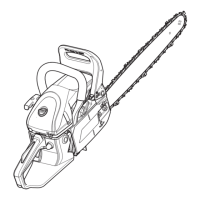
Craftsman 316.381880 Specifications

General IconGeneral
Bar Length18 inches
Engine Displacement42cc
Weight13 lbs
TypeGas
Chain Pitch0.325 in
Chain Gauge0.050 inch

Related product manuals