IM 1287-6 • REBEL APPLIED ROOFTOP 28 www.DaikinApplied.com
Ventilation Clearance
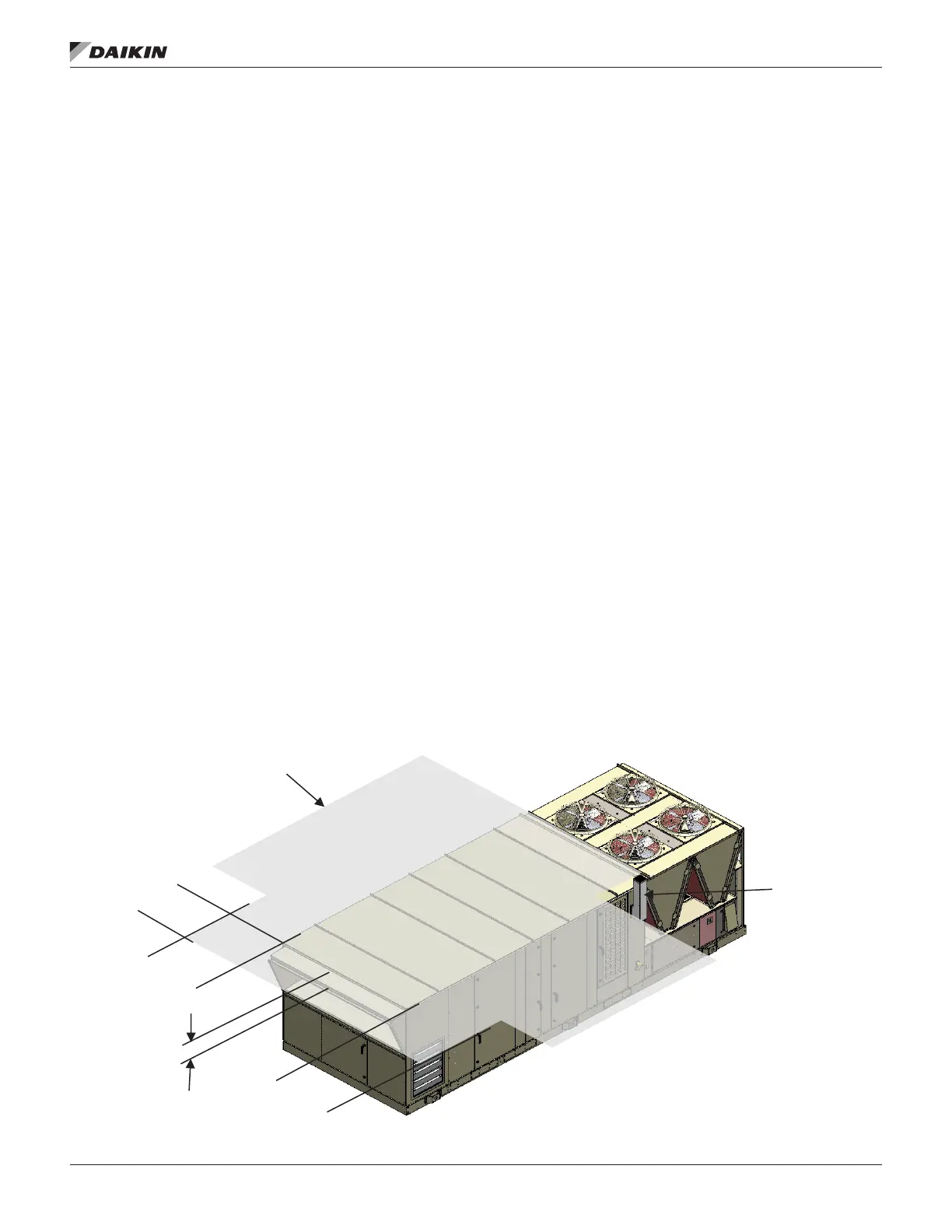
Figure 39 denotes minimum ventilation clearance
recommendations. The system designer must consider each
application and provide adequate ventilation. If this is not done,
the unit will not perform properly.
Unit(s) surrounded by a screen or a fence:
1. The bottom of the screen or fence should be at least 1 ft.
(305 mm) above the roof surface.
2. The distance between the unit and a screen or fence
should be as described in Figure 35.
3. The distance between any two units within a screen or
fence should be at least 120ʺ (3048 mm).
Unit(s) surrounded by solid walls:
1. If there are walls on one or two adjacent sides of the unit,
the walls may be any height. If there are walls on more
than two adjacent sides of the unit, the walls should not
be higher than the unit.
2. The distance between the unit and the wall should be at
least 96ʺ (2438 mm) on all sides of the unit.
3. The distance between any two units within the walls
should be at least 120ʺ (3048 mm).
Do not locate outside air intakes near exhaust vents or other
sources of contaminated air.
If the unit is installed where windy conditions are common,
install wind screens around the unit, maintaining the
clearances specied (Figure 35). This is particularly important
to prevent blowing snow from entering outside air intake and
to maintain adequate head pressure control when mechanical
cooling is required at low outdoor air temperatures.
Figure 39: Overhead Clearance
Overhead Clearance
1. If clearances from Scenario B (Figure 36) are applied to
the installation, then unit must not have any overhead
obstructions over any part of the unit.
2. If unit is surrounded by solid walls or screens, then unit
must not have any overhead obstructions over any part
of the unit.
3. The area above the condenser must be unobstructed in
all installations to allow vertical air discharge.
4. The following restrictions must be observed for overhead
obstructions above the air handler section where ground
clearances noted in scenario A are applied (i.e. if
Figure 35 is applicable, then Figure 39 shows allowable
overhead canopy):
a. Overhead obstructions must be no less than 96ʺ
(2438 mm) above the top of the unit.
b. There must be no overhead obstructions in the
areas above the outside air intake and exhaust
dampers that are farther than 24ʺ (610 mm) from
the side of the unit.
applicable)
No overhead
obstructions allowed
of unit to permanent


 To Next Page