95-8556
11.3
H-1
APPENDIX H
EAGLE QUANTUM PREMIER COMPATIBLE OPECL
INSTALLATION AND WIRING
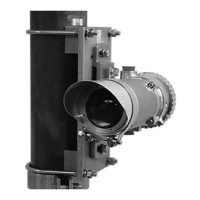
The Eagle Quantum Premier (EQP) version of the Model OPECL Open Path Eclipse uses the identical installation
procedure, device location guidelines, and power supply requirements as described in the “Installation” section of
this manual. Refer to the EQP version wiring diagram for specific wiring termination guidance.
An important difference in EQP applications is that LON network cabling will be routed both in and out from the the
EQP OPECL receiver enclosure, so this requirement should be anticipated and planned for during installation.
Note that only the receiver is connected to the LON network. The transmitter is not connected to the LON and
requires wiring for operating power only.
IMPORTANT
Det‑Tronics recommends the use of shielded cable (required by ATEX) to prevent external electromagnetic
interference from affecting eld devices.
IMPORTANT
For best fault isolation performance, the maximum LON wiring length should not exceed 1600 feet (500 meters).
IMPORTANT
Be sure that selected cable meets all job specications. The use of other cable types can degrade system
operation. If necessary, consult factory for further suggested cable types.
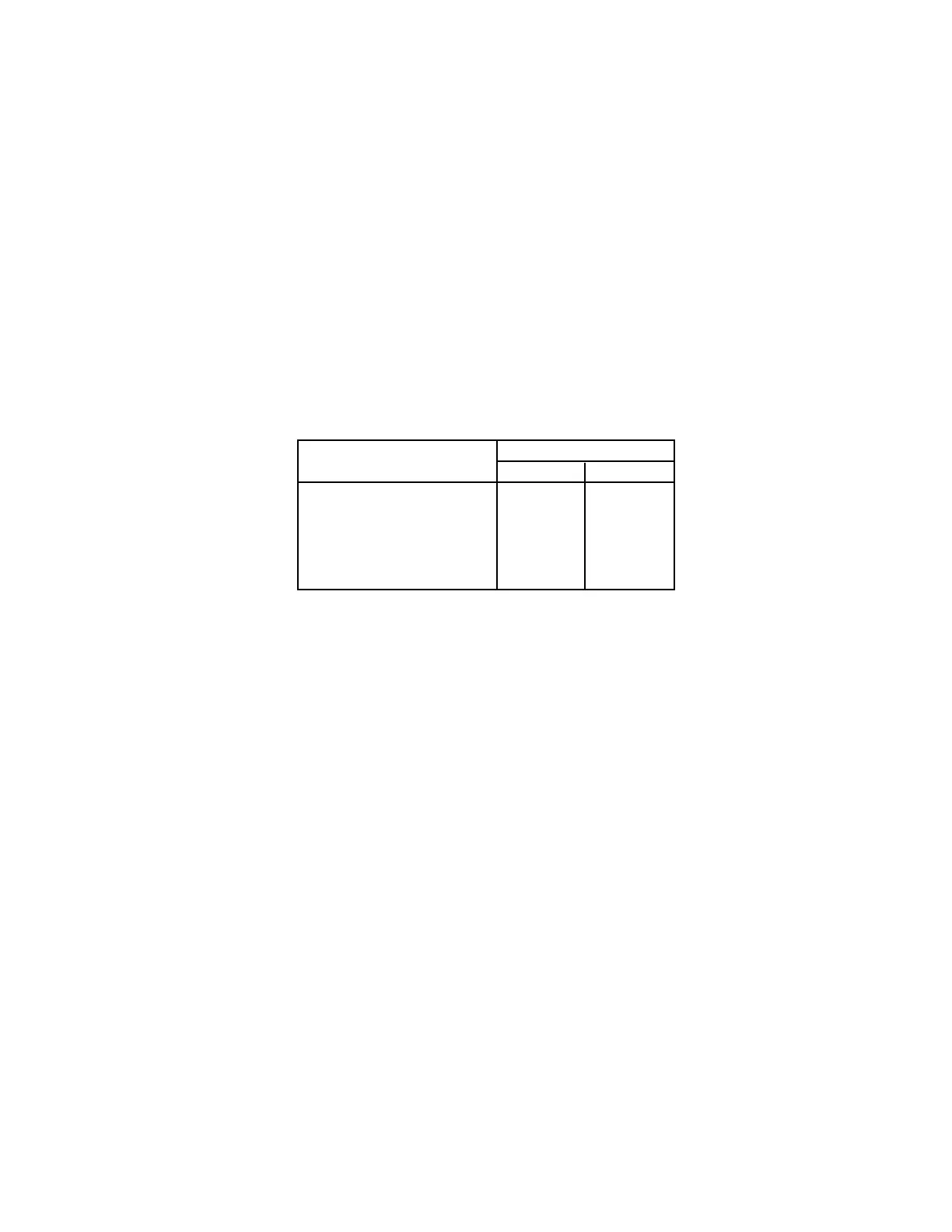
Table H-1—LON Maximum Cable Lengths
LON Cable
Maximum Length**
(Manufacturer and Part No.)*
Feet
Meters
Belden 8719 6,500 2,000
Belden 8471 6,500 2,000
FSI 0050-000006-00-NPLFP 6,500 2,000
Technor BFOU 4,900 1,500
Level IV, 22 AWG 4,500 1,370
Note: *Use the same type of cable in each wiring segment
between network extenders.
**Maximum wire lengths represent the linear wire distance of
LON communications wiring between network extenders.
The maximum wire lengths given in Table H-1 are based upon
the cable’s physical and electrical characteristics.


 To Next Page