LT-1929
7
MAINTENANCE
ALERT SYSTEM
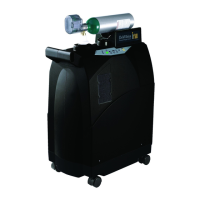
The DeVilbiss iFill Personal Oxygen Station alert system will
detect unit component failure. This system is comprised of both
visible and audible alerts which signal the patient if a
malfunction should occur.
The visible alert located on the top indicator light panel reads
“Service.” When the red indicator light illuminates and the
audible alert sounds a problem has occurred and service is
required. Refer to the Troubleshooting section of this manual.
ROUTINE PATIENT MAINTENANCE
A. Cabinet air lters: clean weekly; wash in warm soapy
water and rinse thoroughly. Allow lters to air dry before
reinstallation.
WARNING
Do not apply liquid directly to the cabinet. Do not utilize any
petroleum-based solvents or cleaning agents.
Do not apply lubricants to ttings.
B. Exterior cabinet: clean by using a damp cloth or sponge
with a mild household cleaner and wipe it dry. Only if
necessary, wipe the coupler with a clean, dry, lint-free cloth.
C. Cylinders: clean the cylinders periodically by wiping with a
dry, lint-free cloth. Do not clean with a solvent based
cleaning solution. Avoid getting uids or debris such as
sand or dirt inside the oxygen cylinder and/or oxygen
connector.
PERIODIC HOMECARE PROVIDER
PREVENTATIVE MAINTENANCE
A. Change extended life intake lter within 8,760 hours.
B. Check oxygen concentration of a system-lled cylinder with
an oxygen analyzer every two years. Refer to steps 4 - 8
listed under Initial Inspection.
C. Check audible alert and indicator lights every two years.
D. Change nal bacteria lter within 17,520 hours.
NOTE– This PM Schedule reects:
• 1,000 hour usage equal to one year based on M6 size
cylinder use
• A normal, clean operating environment
The homecare provider is responsible for:
• Determining the condition of the iFill operating environment
• Determining a preventative maintenance interval frequency
(not to exceed the schedule stated above) which takes into
consideration the specic operating environment.
BETWEEN PATIENT MAINTENANCE
A. Clean or replace the cabinet air lters.
B. Clean the station cabinet and cylinders.
C. Check the oxygen concentration of the system. Refer to
steps 4 - 8 listed under Initial Inspection.


 To Next Page