EasyManua.ls Logo

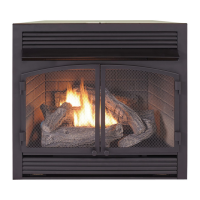
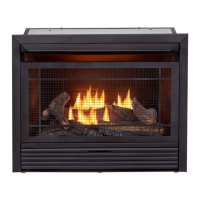
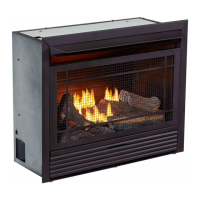
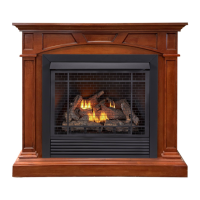
Duluth Forge FDF400RT-ZC Series - User Manual

Duluth Forge FDF400RT-ZC Series
32 pages
Print Icon
To Next Page IconTo Next Page
Loading...
VENT-FREE GAS SYSTEM
OWNER'S OPERATION
AND INSTALLATION
MANUAL
MODELS
FDF400RT-ZC SERIES
PFS
®
US
WARNING: If the information in this manual is not
followed exactly, a re or explosion may result causing
property damage, personal injury or loss of life.
Do not store or use gasoline or other ammable va-
pors and liquids in the vicinity of this or any other
appliance.
WHAT TO DO IF YOU SMELL GAS
Do not try to light any appliance.
Do not touch any electrical switch; do not use any
phone in your building.
Immediately call your gas supplier from a neighbors
phone. Follow the gas suppliers instructions.
If you cannot reach your gas supplier, call the re
department.
Installation and service must be performed by a quali-
ed installer, service agency or the gas supplier.
WARNING: This appliance is equipped for natural and
propane/LP gas. Field conversion is not permitted other
than between natural or propane/LP gases.
Questions, problems, missing parts? Before returning to your retailer, call
our customer service department at 1-855-607-6557, 8:00 am - 4:30 pm EST,
Monday through Friday or email info@factorybuysdirect.com

Questions and Answers

Summary

Safety and Emergency Procedures

General Safety Warnings

Fire, explosion, flammable liquids risk, and general warnings.

Gas Leak Emergency Response

Immediate actions to take if gas is detected in the area.

Qualified Installation and Service

Requirement for certified personnel for installation and repairs.

Gas Type Compatibility

Appliance is for natural or propane gas only; field conversion is not permitted.

Safety Guidelines and Warnings

Important Safety Read and Follow

Read manual carefully; improper use risks serious injury or death.

Qualified Installer Requirement

Only qualified installers, service agents, or gas suppliers may service.

Flammable Materials Clearance

Keep the appliance area clear of combustibles, gasoline, and flammable liquids.

Carbon Monoxide Poisoning Risk

Danger of carbon monoxide poisoning, symptoms, and affected individuals.

Unauthorized Heater Modifications

Any change to heater or controls can be dangerous.

Hot Surface and Child Safety

Appliance surfaces become very hot; supervise children closely.

Fireplace Screen Requirement

Ensure a fireplace screen is in place before operating the heater.

Operational Safety Rules

Propane;LP Tank Placement

Propane/LP supply tanks must be placed outdoors.

Installation Location Restrictions

Do not install in bedrooms, bathrooms, or recreational vehicles.

Ventilation and ODS System

Heater needs fresh air; ODS shuts down if not enough air is available.

Operating Environment Precautions

Avoid flammable liquids, dusty conditions, and cleaning product vapors.

Water-Damaged Unit Handling

Call service technician if any part has been under water.

Log Handling and Intended Use

Do not use broken logs; not for wood burning, cooking, or paper burning.

Specifications and Features Overview

Appliance Technical Specifications

Details on input ratings, pressure, dimensions, and weight.

Qualified Installing Agency Criteria

Definition and responsibilities of a qualified agency for installation.

Safety Pilot and Ignition Systems

Information on the ODS safety pilot and piezo ignition system.

Gas Type Options

Heater operates on Propane/LP or Natural gas; conversion details.

Product Identification and Unpacking

Fireplace Insert Component Identification

Diagram showing key components of the vent-free fireplace insert.

Unpacking and Damage Inspection

Steps for unpacking the heater and checking for shipping damage.

Local Code Compliance

Requirement to follow local codes, including specific Massachusetts regulations.

Airflow and Environmental Considerations

Managing Water Vapor By-product

Recommendations for managing water vapor produced by combustion.

Combustion and Ventilation Air Needs

Crucial requirement for adequate combustion and ventilation air.

Ventilation Air Sources

Providing Ventilation Air Indoors

Methods for supplying ventilation air from inside the building.

Providing Ventilation Air Outdoors

Methods for supplying ventilation air from outdoors.

Installation Requirements and Warnings

Intended Use and Installation

Supplemental heat use, qualified installer, fireplace prep.

Fireplace Preparation

Cleaning flue and firebox before installation.

Installation Location Prohibitions

Specific locations where the heater must not be installed.

Air Impurities and Moisture Impact

Discoloration, odors from impurities, and mildew risk.

Gas Selection and Regulator Setup

Factory Gas Setting and Installer Role

Appliance preset for propane/LP; installer handles changes.

Gas Line and Regulator Precautions

Cautions on dual gas lines, unused inlet cap, and regulator plunger.

Regulator Color Coding

Color coding on regulator for identifying propane (blue) and natural gas (yellow).

Gas Connection Procedures

Propane;LP and Natural Gas Regulator Installation

Installing regulator fittings and caps for different gas types.

Regulator Plunger and Cap Handling

Do not remove plungers; use supplied caps to prevent damage.

Gas Type and Connection Verification

Ensure correct gas type fitting is in the correct regulator inlet.

Installation Clearances and Fireplace Types

Minimum Clearances to Combustibles

Required spacing from floor, ceiling, and adjacent walls.

Built-in Fireplace Installation Notes

Warnings regarding material overlap and covering openings.

Framing and Connecting the Fireplace

Rough Opening Dimensions and Framing

Dimensions for framing wall and corner installations.

Standoff Bracket and Fireplace Placement

Installing standoff brackets and placing the fireplace in the opening.

Gas Line Connection and Leak Testing

Connecting the gas line and performing leak checks.

Connecting to Gas Supply

Qualified Technician and Inlet Requirements

Technician requirement and 3/8" NPT inlet connection.

Gas Supply and Pipe Guidelines

Prohibitions on private gas wells, pipe material, and diameter.

Propane;LP External Regulator Needs

Requirement for an external regulator for propane/LP gas.

Natural Gas Pressure Limits

Maximum inlet pressure for natural gas is 9.5" WC.

Gas Supply Piping Details

Inlet Pipe Diameters and Shutoff Valve

3/8" pipe, shutoff valve, union, and NPT tap details.

Sealant and External Regulator for LP

Using pipe joint sealant and external regulator for LP.

Sediment Trap Installation

Installing a sediment trap to catch moisture and contaminants.

Gas Piping Leak Testing Warning

Warning to test all gas piping and connections for leaks.

Checking Gas Connections for Leaks

Leak Testing Safety and Methods

Safety warnings and methods for leak detection using fluid.

Pressure Testing Gas Supply System

Procedures for pressure testing supply piping over 0.5 PSIG.

Pressure Testing Heater Gas Connections

Procedures for pressure testing heater connections up to 0.5 PSIG.

Installing the Logs and Cinders

Log Installation Accuracy and Warnings

Use correct parts and placement; avoid yellow flame contact.

Soot Prevention from Flame Contact

Avoid yellow flame contact with logs to prevent soot.

Log Set Installation Sequence

Step-by-step guide for installing each numbered log correctly.

Installing Batteries

Battery Mixing and Handling Cautions

Do not mix battery types, brands, or old/new batteries.

Ignitor and Remote System Battery Installation

How to install batteries for the ignitor and remote control system.

Lighting the Heater

Safety Checks Before Lighting

Perform safety checks like smelling for gas and ensuring screen is in place.

Gas Leak Emergency Procedure

Detailed steps to follow if a gas leak is detected.

Pilot Lighting Procedure

Step-by-step instructions for lighting the pilot manually.

First-Time Gas System Air Bleeding

Procedure for bleeding air from the gas system on initial startup.

Heater Operation and Shutdown

Pilot Ignition and Waiting Period

Using the ignitor, holding the knob, and waiting period for pilot.

Manual Pilot Lighting Procedure

Alternative method to light the pilot using a match.

Main Burner Ignition Sequence

Steps to turn the control knob to the ON position for main burner ignition.

Turning Off the Heater

Procedures for shutting off the heater and burner.

Remote Control System Setup

Remote and Receiver Programming

Process for pairing the remote control with the receiver unit.

Remote Control Key Functions

Explanation of ON, OFF, MODE, and SET button functions.

LCD Display Interpretation

Understanding the indicators and information on the LCD screen.

Remote Control Operation Modes

Setting Temperature Scale (°F;°C)

Procedure to change the temperature display between Fahrenheit and Celsius.

Manual Operation Mode Control

Operating the appliance manually using the ON/OFF buttons.

Thermostat Mode Setup and Operation

Setting the desired room temperature and understanding thermostat operation.

Burner and Pilot Flame Inspection

Pilot Flame Pattern Analysis

Identifying correct and incorrect pilot flame patterns.

Burner Flame Pattern Analysis

Identifying correct and incorrect burner flame patterns.

Burner Air Hole Cleaning

Importance of clean air holes for proper combustion and soot prevention.

Routine Care and Maintenance

General Maintenance and Cleaning

Turn off heater, keep areas clean, inspect yearly.

Main Burner Flame Hole Inspection

Checking main burner flame holes for blockages and proper flame.

Burner and Pilot Air Inlet Cleaning

Cleaning burner and pilot assembly using compressed air.

Maintenance and Service Tips

ODS;Pilot Cleaning Precautions

Caution against using wire or needles to clean ODS/pilot.

Cabinet and Log Maintenance

Cleaning cabinet exterior and replacing logs.

Service Hints for Low Gas Pressure

Symptoms of low gas pressure and contacting the gas supplier.

Troubleshooting Common Issues

Gas Leak Safety and Detection

Safety warnings and procedures for detecting and responding to gas leaks.

Pilot Not Lighting (Natural Gas)

Troubleshooting the pilot not lighting due to pressure switch issues.

Troubleshooting Ignition Problems

No Spark at ODS;Pilot

Diagnosing and fixing issues causing no spark at the ODS/pilot.

Spark Present, No Ignition

Troubleshooting ignition failure when spark is present.

Pilot Lights but Goes Out

Diagnosing why the pilot light extinguishes after ignition.

Troubleshooting Flame and Odor Issues

Burner Ignition and Flame Pattern Problems

Issues like burner not lighting, delayed ignition, and backfiring.

High Yellow Flame and Gas Odor

Causes of high yellow flame, gas odor, and their solutions.

Noise and Initial Operation Issues

Troubleshooting whistling, clicking, and initial operation odors.

Troubleshooting Operational Faults

White Powder Residue and Odors

Causes of white powder residue and unwanted odors.

Heater Shuts Off (ODS Operation)

Reasons for heater shutdown, including low air or pressure.

Gas Odor When OFF and Condensation

Gas leaks when off and moisture/condensation on windows.

Parts Diagram

Exploded View of Heater Components

Visual representation of the heater's main components.

Replacement Parts Information

Model FDF400 RT-ZC Parts List

Itemized list of replaceable parts with part numbers and quantities.

Warranty Parts and Claims

Information on obtaining parts under warranty and making claims.

Warranty Details and Registration

Warranty Registration Process

Instructions for registering the product for warranty verification.

Warranty Coverage and Terms

Details on new/reconditioned product coverage, terms, and exclusions.

Duluth Forge FDF400RT-ZC Series Specifications

General IconGeneral
BrandDuluth Forge
ModelFDF400RT-ZC Series
CategoryIndoor Fireplace
LanguageEnglish

Related product manuals