iTEMP TMT72 Basic safety instructions
Endress+Hauser 7
2.2 Intended use
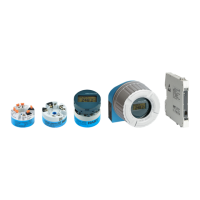
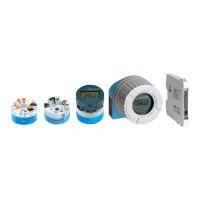
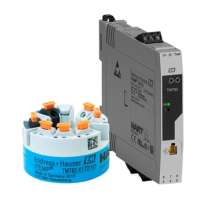
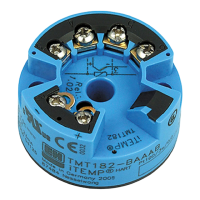
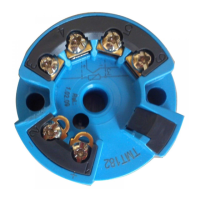
The device is a universal and user-configurable temperature transmitter with one sensor
input for resistance thermometers (RTD), thermocouples (TC), resistance and voltage
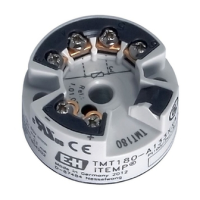
transmitters. The head transmitter version of the device is intended for mounting in a
terminal head (flat face) as per DIN EN 50446. It is also possible to mount the device on a
DIN rail using the optional DIN rail clip. The device is also optionally available in a version
suitable for DIN rail mounting as per IEC 60715 (TH35).
If the device is used in a manner not specified by the manufacturer, the protection
provided by the device may be impaired.
The manufacturer is not liable for damage caused by improper or non-intended use.
2.3 Workplace safety
When working on and with the device:
‣
Wear the required personal protective equipment as per national regulations.
2.4 Operational safety
‣
Operate the device only if it is in proper technical condition, free from errors and faults.
‣
The operator is responsible for the interference-free operation of the device.
Hazardous area
To eliminate a danger for persons or for the facility when the device is used in the
hazardous area (e.g. explosion protection or safety equipment):
‣
Based on the technical data on the nameplate, check whether the ordered device is
permitted for the intended use in the hazardous area. The nameplate can be found on
the side of the transmitter housing.
‣
Observe the specifications in the separate supplementary documentation that is an
integral part of these instructions.
Electromagnetic compatibility
The measuring system complies with the general safety requirements as per EN 61010-1,
the EMC requirements as per the IEC/EN 61326 series and the NAMUR recommendations
NE 21.
NOTICE
‣
The device must only be powered by a power unit that operates using an energy-limited
electric circuit according to UL/EN/IEC 61010-1, Section 9.4 and the requirements in
Table 18.
2.5 Product safety
This measuring device is designed in accordance with good engineering practice to meet
state-of-the-art safety requirements, has been tested, and left the factory in a condition in
which it is safe to operate.
It meets general safety standards and legal requirements. It also complies with the EU
directives listed in the device-specific EU Declaration of Conformity. The manufacturer
confirms this by affixing the CE mark to the device.






 To Next Page