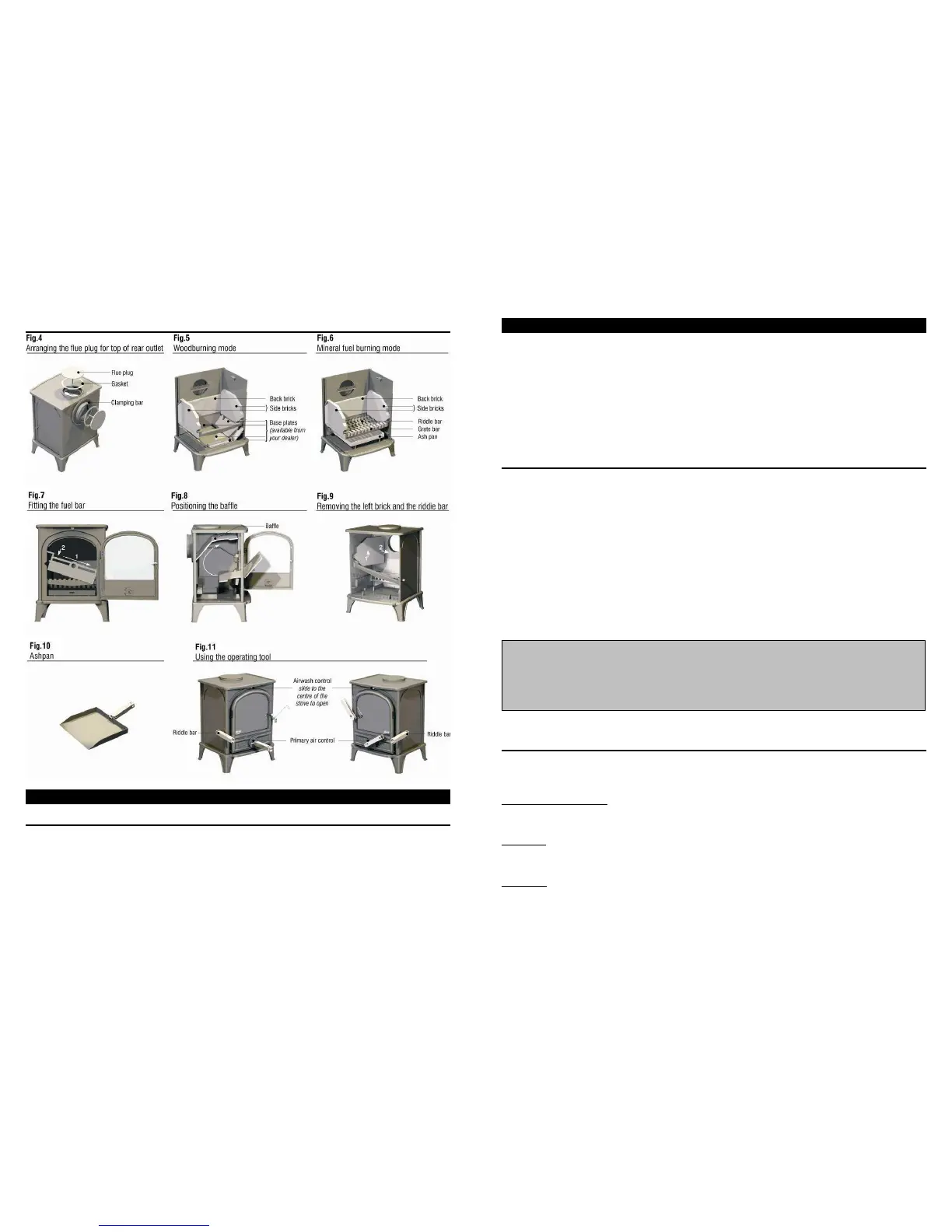
Fig.11. shows the stove and its controls and shows how the tool is used.
Included inside your stove are the following:
Baffle – position as shown in Fig.8.
Multi purpose operating tool – for lifting the ash pan, adjusting the primary air spinner, adjusting the air wash
control, operating the riddle and the door handle.
OPERATING INSTRUCTIONS
If wood is to be burnt exclusively the best results will be obtained by removing the grate bars and the ash pan and
burning on the base of the stove. Fig.5 shows the stove in wood burning mode. The base protection plates are
available from your ESSE dealer and must be used when in wood burning mode. The advantages of burning on the
base are as follows.
• There will be more room inside the stove for larger pieces of wood/logs.
• Wood burns best in its own ash. Burning on the base of the stove will allow a layer of ash to build up which
will result in a more controllable fire.
Do not burn mineral fuels when the stove is in wood burning mode.
Before lighting the fire for the first time ensure that the baffle, the base protection plates, and the side and back
bricks are in position. Burning without either will result in the stove castings overheating and being damaged.
Open the air wash control and the primary air control fully. Place some tightly rolled paper on top of some crumpled
paper on the base towards the back of the stove. On top of this, place some small pieces of wood. Light the crumpled
paper and close the door. Once the fire becomes established add some larger pieces of wood. As the stove comes up
to temperature close the spinner. The burning rate of the stove can now be regulated by the rate at which fuel is
added and by adjusting the air wash control.
With the above in mind it is plain to see that the stove should ideally be run with the primary air inlet closed and the
air wash control open whenever possible. Another advantage of running the stove with the air wash open is that the
air is being drawn into the stove travels across the glass forming an air barrier between the glass and the fire bed
helping to prevent smoke particles sticking to the glass. If the fire dies down too low, opening the primary air control
for a short period will revive it.
To get the best results from your stove it is recommended that a wood stove thermometer (available from your stove
dealer) be fitted to the flue pipe above the stove, at eye level if possible. The figures below show the recommended
temperature of the flue gases.
115ºC – 245ºC (240ºF - 475ºF)
The flue gases should be in this temperature band for the safest, most efficient and most economical operation of
your stove.
Below 115ºC
This is below the condensation point of wood gases and may cause the build up of tar in the chimney, dirty the stove
glass and result in the inefficient burning of fuel.
Above 245ºC
Too hot. Heat will be wasted up the chimney. Excess heat may damage the stove or ignite an existing accumulation
of tar resulting in a chimney fire.


 To Next Page