EasyManua.ls Logo

Evcon DGAT056BDD - User Manual

Default Icon
28 pages
Print Icon
To Next Page IconTo Next Page
Loading...
INSTALLATION INSTRUCTIONS
DLAS MODELS
(No Coil Cabinet)
DGAT & DGAM MODELS
(With Built--In Coil Cabinet)
For Installation In:
1. Manufactured (Mobile) Homes
2. Recreational Vehicles & Park
Models
3. Modular Homes & Buildings
SEALED COMBUSTION
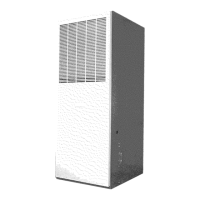
DOWNFLOW GAS FURNACES
Forced Draft with Direct Ignition (Hot Surface)
FURNACE SET---UP CHECK LIST
IMPORTANT: ONLY IND I VIDUALS HAVING PROVEN EXPERIENCE WITH THIS TYPE OF EQUIPMENT
SHOULD ATTEMPT TO PERFORM SET-- UP.
- HAS ROOF JACK CROWN B EEN CORRECTLY
INSTALLED?
- HASFURNACEGASVALVEANDBURNERORI-
FICE BEEN CORRECTLY CONVERTED FOR L.P.
GAS WHERE APPLICABLE?
- HASFURNACEGASVALVEBEENDE---RATED
FOR ALTITUD ES ABOVE 2000 FEET WHERE
APPLICABLE?
- IS GAS LINE OUTLET PRES SURE PROPERLY
SET FOR FUEL TYPE? (NATURALGASIS3.5
W.C.; L.P. IS 10 W.C.)
- IS PRIMARY AIR PROPERLY ADJUSTED PER
INSTALLATION INSTRUCTIONS?
- IS CROSS---OVER DUCT INSTALLED PER
HOME BUILDER AND EVCON INSTALLATION
INSTRUCTIONS?
- HAS FURNACE BEEN OPERATED THROUGH A
COMPLETE HEATING CYCLE?
IMPORTANT: PROPER FURNACE SET--UP AND ADJUSTMENT IS THE RESPONSIBILITY OF THE
RET AILER/HOMEOWNER AND IS NOT COVERED UNDER W ARRANTY.

Table of Contents

Question and Answer IconNeed help?

Do you have a question about the Evcon DGAT056BDD and is the answer not in the manual?

Summary

General Specifications and Instructions

Furnace Specifications

Details on furnace models, input/output BTUH, and electrical specifications.

Installation Standards

Guidelines for code compliance, clearances, and altitude adjustments.

Return Air Requirements

Specifications for return air systems, especially for closet installations.

Closet Installations

Detailed requirements for furnace placement within closets, including clearances.

Air Distribution Systems

Illustrations and guidance on designing supply duct systems for optimal airflow.

Roof Jacks

Locating and Cutting Roof Jack Opening

Steps for preparing the roof opening for the flue pipe assembly.

Installing Roof Jack in Roof

Procedure for securing the roof jack and flashing to the roof.

Ceiling Rings

Ceiling Ring Installation

Details on installing ceiling rings for fire safety and flue clearance.

Duct Connectors

Duct Connector Usage

Instructions for using duct connectors with varying duct sizes and attachment methods.

Template & Cutout Dimensions

Template and Cutout Guide

Provides dimensions for creating templates and cutting openings for duct connectors.

DLAS Series Furnaces

Installation Procedure for DLAS Furnace

Step-by-step guide for installing DLAS furnaces, including sub-base and duct connection.

DGAT & DGAM Series Furnaces

Installation Procedure for DGAT & DGAM Furnaces

Step-by-step guide for installing DGAT & DGAM furnaces, focusing on duct connection.

Connecting Roof Jack to Furnace

Connecting Combustion Air and Flue Pipe

Instructions on securely attaching the vent system to the furnace.

Vent System Installation Instructions

Existing Furnace Replacement

Procedures for replacing an old furnace vent system with a new one.

New Home Installation

Specific steps for installing the vent system in a new construction home.

Installation in Snow Regions

Recommendations for vent system installation in areas prone to heavy snow.

Electrical Wiring

Connecting Power Supply Wires

How to connect the main 115V power supply to the furnace.

Connecting Thermostat Wires

Guide for wiring the low-voltage thermostat connections to the furnace.

Wall Thermostat Placement

Recommendations for optimal location and mounting of the wall thermostat.

Thermostat Wiring for DGAT and DGAM Series

Thermostat Wiring Diagram

Visual guide for connecting the thermostat to DGAT and DGAM furnaces.

Thermostat Wiring for DLAS (Heat Only) Series

Thermostat Wiring Diagram

Visual guide for connecting the thermostat to DLAS heat-only furnaces.

Wiring Diagrams

DGAT Series Wiring Diagram

Detailed schematic for the DGAT series electrical connections.

DGAM Series Wiring Diagram

Detailed schematic for the DGAM series electrical connections.

Gas Piping

Installation and Checking of Gas Line

Procedures for safely installing and leak-testing the gas supply line.

Observing Burner Operation

How to check the burner flame appearance and furnace cycles.

Combustion Air Adjustment

Steps to adjust the combustion air for optimal flame appearance and efficiency.

Final Procedure

If Furnace Fails to Operate Properly

Troubleshooting steps to identify and resolve common operational issues.

Install Furnace Doors

Instructions for correctly installing the furnace access doors.

Finish and Trim

Steps for completing the installation, including alcove and closet finishing.

Furnace and Air Conditioner Installations

Considerations for installing the furnace with an air conditioning unit.

Manufactured Housing Deration Chart

Propane Deration

Table showing derated output capacity for propane at various altitudes.

Natural Gas Deration

Table showing derated output capacity for natural gas at various altitudes.

Repair Parts List

DGAM, DGAT & DLAS Series Parts

List of part numbers and descriptions for DGAM, DGAT, and DLAS furnaces.

Overview

This document provides comprehensive installation and maintenance instructions for Sealed Combustion Downflow Gas Furnaces, specifically models in the DLAS, DGAT, and DGAM series, which feature forced draft with direct ignition (hot surface). These furnaces are designed for use in manufactured (mobile) homes, recreational vehicles, park models, and modular homes & buildings.

Function Description

The Sealed Combustion Downflow Gas Furnaces are designed to provide efficient heating for various residential applications. Their sealed combustion system draws combustion air from outside the living space and vents exhaust gases directly outside, ensuring a safer indoor environment by preventing the mixing of combustion byproducts with indoor air. The "downflow" design indicates that heated air is discharged downwards into the ductwork, making these units suitable for installations where the furnace is located on an upper floor or in a closet with a downward air distribution system. The direct ignition (hot surface) system provides reliable and efficient ignition of the gas burner, eliminating the need for a pilot light.

Usage Features

The installation process for these furnaces is detailed, emphasizing the importance of proper setup for safe and satisfactory performance. Key usage features and considerations include:

  • Installation Flexibility: The furnaces are designed for installation in various housing types, including manufactured homes, recreational vehicles, and modular buildings, with specific guidelines for each.
  • Clearance Requirements: Detailed minimum clearance specifications from combustible materials are provided for alcove and closet installations, ensuring safety and compliance with building codes. These clearances vary depending on the proximity to closet doors and the type of installation.
  • Return Air Systems: The manual outlines specific requirements for return air systems, including floor or ceiling return air in closet installations. It highlights the need for adequate free area in return air grilles and ducts to prevent negative pressure and ensure proper airflow. Warnings about covering or restricting floor openings for return air are prominently featured to prevent asphyxiation hazards.
  • Air Distribution Systems: Three typical air distribution systems are illustrated, including single trunk duct and dual trunk duct with crossover connectors. Instructions are provided for adjusting the air temperature rise to meet specified ranges on the furnace rating plate, ensuring optimal heating performance.
  • Roof Jack Installation: A critical component of the sealed combustion system, the roof jack, is described with detailed instructions for locating and cutting the opening, as well as securing it to the roof and furnace. The importance of proper alignment and sealing to prevent leaks and ensure correct flue operation is stressed. Different roof jack models are specified based on furnace series and roof pitch.
  • Electrical Wiring: Comprehensive instructions for connecting electrical power and thermostat wires are provided, including safety warnings about disconnecting power before servicing and observing color coding for polarized connections. The manual specifies a separate 120 V.A.C. supply circuit protected by a 15 amp fuse or circuit breaker.
  • Gas Piping: Detailed guidelines for installing and checking the gas line are included, emphasizing the need to comply with local codes and national standards. Warnings about holding the gas valve firmly during connection to prevent misalignment or damage, avoiding excessive pipe sealant, and never using an open flame for leak detection are highlighted. The manual also provides specifications for natural gas and propane inlet pressures and derating for high altitudes.
  • Burner Operation Observation: Users are instructed to observe burner ignition and flame color to ensure proper operation. Natural gas flames should be blue with yellow tips, while propane gas flames may be yellow. Abnormal flame colors indicate a need for professional service.
  • Combustion Air Adjustment: The manual explains how to adjust combustion air using a rod located beneath the gas valve. This adjustment is crucial for efficient burner flame and varies depending on altitude, BTU content of the gas, and gas pressure. It is emphasized that this adjustment should only be performed by a qualified technician to prevent unsafe operation, explosion, or asphyxiation.
  • Final Procedure: Instructions for installing furnace doors, finishing and trimming alcove/closet installations, and considerations for air conditioner installations are provided. For parallel flow air conditioner arrangements, the furnace must be equipped with a damper to prevent cold air from being discharged up around the heat exchanger, which could lead to condensation and rust.

Maintenance Features

While the document primarily focuses on installation, it touches upon several maintenance-related aspects:

  • Regular Checks: The "Furnace Set-Up Check List" serves as a guide for initial checks, many of which are relevant for ongoing maintenance, such as ensuring correct roof jack installation, proper gas valve conversion/derating, and correct gas line outlet pressure.
  • Filter Replacement: The "If Furnace Fails to Operate Properly" section advises making sure filters are clean, indicating that filter maintenance is a user responsibility. The filter type and size are specified in the repair parts list.
  • Clearance and Obstruction Checks: The importance of unobstructed return grilles, supply registers, and furnace flue piping is highlighted as part of troubleshooting, implying these should be regularly checked.
  • Professional Service: The document strongly advises against attempting to service the furnace if the cause of failure is not obvious, recommending calling a qualified service agency or gas supplier. This underscores the complexity of internal components and the need for expert intervention for safety and warranty compliance.
  • Warranty Information: The manual explicitly states that improper installation will void the warranty and that proper furnace setup and adjustment are the responsibility of the retailer/homeowner and not covered under warranty. This encourages adherence to instructions and professional service when needed.
  • Repair Parts List: A detailed list of repair parts is provided, including part numbers and descriptions for various components like limit switches, booster assemblies, impellers, motors, and ignitors. This facilitates ordering correct replacement parts for maintenance and repairs.

Evcon DGAT056BDD Specifications

General IconGeneral
ModelDGAT056BDD
TypeGas Furnace
Heating Capacity56, 000 BTU/h
AFUE Rating80%
Blower MotorMulti-Speed
Fuel TypeNatural Gas
Voltage115 V
Vent Diameter4 inches
Weight120 lbs
Blower Motor TypePSC
Efficiency Rating80%

Related product manuals