EasyManua.ls Logo

Ferris 400S Series - User Manual

Ferris 400S Series
28 pages
Print Icon
To Next Page IconTo Next Page
Loading...
Not for
Reproduction
Revision A

Other manuals for Ferris 400S Series

Question and Answer IconNeed help?

Do you have a question about the Ferris 400S Series and is the answer not in the manual?

Summary

Operator Safety

Product Identification Tag

Describes the location and importance of the product identification tag for serial and model numbers.

CE Identification Tag Markings

Explains the various markings found on the CE identification tag, detailing their meaning.

Operating Safely

Provides essential rules and guidelines for safe operation of the mower to prevent injury or damage.

Children Safety

Details precautions to keep children away from the operating mower and hazards associated with them.

Reverse Operation Safety

Advises on safe practices when operating the mower in reverse, emphasizing visibility.

Slope Operation Safety

Outlines critical safety measures and limitations for operating the mower on slopes to prevent rollovers.

Moving Parts Hazards

Warns about the dangers of moving parts on the mower and the importance of operator presence safety.

Thrown Objects Hazard

Explains the risk of thrown objects from mower blades and the need for area clearance.

Fuel and Maintenance Safety

Covers safe practices for refueling, handling gasoline, and general maintenance for safety.

Slope Hazards: Walls, Water, Drop-offs

Identifies specific slope hazards like retaining walls, water, and drop-offs to avoid during operation.

Transporting and Storage Safety

Details safe procedures for transporting the mower and storing it, covering fuel and ventilation.

Towed Equipment Safety

Advises on safe practices and weight limits when towing equipment with the mower.

Children Safety Precautions

Reinforces safety warnings regarding children's presence near the operating mower.

Slope Identification Guide

General Operation Guidelines

Provides a comprehensive list of rules and instructions for operating the mower safely and effectively.

Emissions Information

Service and Maintenance

Safe Handling of Gasoline

Outlines critical safety guidelines for handling gasoline to prevent fire and explosion hazards.

General Service and Maintenance

Details important maintenance tasks, safety checks, and repair guidelines for the mower.

Safety Decals

Safety Decal Icon Definitions

Explains the meaning and hazard levels associated with various safety decal icons found on the mower.

Jack Kit Safety Icons

Defines the safety icons specifically associated with the optional jack kit accessory.

Safety Alert Symbol and Signal Words

Explains the use of safety alert symbols and signal words (DANGER, WARNING, CAUTION) to convey hazard severity.

Safety Interlock System Checks

Zero-Turn Rider Controls

Control Functions and Locations

Describes the function and physical location of individual controls for operating the mower.

Key Control Descriptions

Provides detailed descriptions of the deck lift, ground speed, transmission release, fuel, and floor plate controls.

Instrument Control Panel Overview

Details the components and functions of the mower's instrument control panel, including throttle, PTO, choke, and ignition.

Operation

Before First Time Operation

Provides essential initial steps and familiarization for new operators before using the mower.

Checks Before Starting

Lists critical checks to perform before starting the engine, including fluid levels and hardware.

Starting the Engine

Details the step-by-step procedure for safely starting the mower's engine.

Stopping the Rider

Explains the correct procedure for safely shutting down and stopping the mower.

Zero-Turn Driving Practice

Offers guidance and exercises for practicing zero-turn maneuvers and gaining control of the mower.

Zero-Turn Driving Practice Techniques

Covers specific practice techniques for reverse travel, turning, and end-of-row maneuvers.

Mowing

Mowing Recommendations

Offers advice on factors affecting cut quality, grass height, and mowing frequency.

Mowing Patterns and Methods

Discusses optimal mowing patterns, broadcasting, and mulching techniques for best results.

Pushing the Rider by Hand

Attaching a Trailer

Adding Fuel

Fuse Location and Identification

Transmission Oil Level Check and Fill

Checking Tire Pressures

Seat and Control Lever Adjustments

Cutting Height Adjustment

Suspension Adjustment

Storage Procedures

Starting After Long Term Storage

Details the steps required to safely start the mower after it has been stored for an extended period.

Maintenance Schedule

Specifications

Warranty Information

Summary

Operator Safety

Product Identification Tag

Describes the location and importance of the product identification tag for serial and model numbers.

CE Identification Tag Markings

Explains the various markings found on the CE identification tag, detailing their meaning.

Operating Safely

Provides essential rules and guidelines for safe operation of the mower to prevent injury or damage.

Children Safety

Details precautions to keep children away from the operating mower and hazards associated with them.

Reverse Operation Safety

Advises on safe practices when operating the mower in reverse, emphasizing visibility.

Slope Operation Safety

Outlines critical safety measures and limitations for operating the mower on slopes to prevent rollovers.

Moving Parts Hazards

Warns about the dangers of moving parts on the mower and the importance of operator presence safety.

Thrown Objects Hazard

Explains the risk of thrown objects from mower blades and the need for area clearance.

Fuel and Maintenance Safety

Covers safe practices for refueling, handling gasoline, and general maintenance for safety.

Slope Hazards: Walls, Water, Drop-offs

Identifies specific slope hazards like retaining walls, water, and drop-offs to avoid during operation.

Transporting and Storage Safety

Details safe procedures for transporting the mower and storing it, covering fuel and ventilation.

Towed Equipment Safety

Advises on safe practices and weight limits when towing equipment with the mower.

Children Safety Precautions

Reinforces safety warnings regarding children's presence near the operating mower.

Slope Identification Guide

General Operation Guidelines

Provides a comprehensive list of rules and instructions for operating the mower safely and effectively.

Emissions Information

Service and Maintenance

Safe Handling of Gasoline

Outlines critical safety guidelines for handling gasoline to prevent fire and explosion hazards.

General Service and Maintenance

Details important maintenance tasks, safety checks, and repair guidelines for the mower.

Safety Decals

Safety Decal Icon Definitions

Explains the meaning and hazard levels associated with various safety decal icons found on the mower.

Jack Kit Safety Icons

Defines the safety icons specifically associated with the optional jack kit accessory.

Safety Alert Symbol and Signal Words

Explains the use of safety alert symbols and signal words (DANGER, WARNING, CAUTION) to convey hazard severity.

Safety Interlock System Checks

Zero-Turn Rider Controls

Control Functions and Locations

Describes the function and physical location of individual controls for operating the mower.

Key Control Descriptions

Provides detailed descriptions of the deck lift, ground speed, transmission release, fuel, and floor plate controls.

Instrument Control Panel Overview

Details the components and functions of the mower's instrument control panel, including throttle, PTO, choke, and ignition.

Operation

Before First Time Operation

Provides essential initial steps and familiarization for new operators before using the mower.

Checks Before Starting

Lists critical checks to perform before starting the engine, including fluid levels and hardware.

Starting the Engine

Details the step-by-step procedure for safely starting the mower's engine.

Stopping the Rider

Explains the correct procedure for safely shutting down and stopping the mower.

Zero-Turn Driving Practice

Offers guidance and exercises for practicing zero-turn maneuvers and gaining control of the mower.

Zero-Turn Driving Practice Techniques

Covers specific practice techniques for reverse travel, turning, and end-of-row maneuvers.

Mowing

Mowing Recommendations

Offers advice on factors affecting cut quality, grass height, and mowing frequency.

Mowing Patterns and Methods

Discusses optimal mowing patterns, broadcasting, and mulching techniques for best results.

Pushing the Rider by Hand

Attaching a Trailer

Adding Fuel

Fuse Location and Identification

Transmission Oil Level Check and Fill

Checking Tire Pressures

Seat and Control Lever Adjustments

Cutting Height Adjustment

Suspension Adjustment

Storage Procedures

Starting After Long Term Storage

Details the steps required to safely start the mower after it has been stored for an extended period.

Maintenance Schedule

Specifications

Warranty Information

Overview

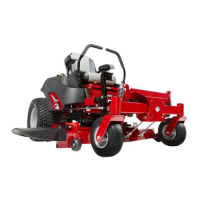
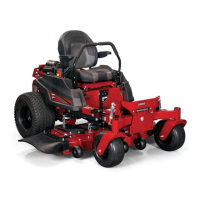
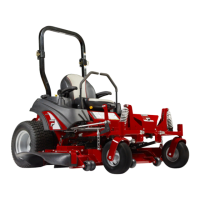
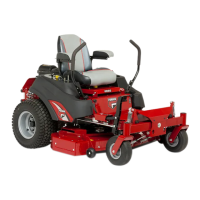
The document is an operator's manual for the Ferris 400S Series Zero-Turn Riding Mower, covering models 5901706, 5901729, and 5901740, with serial numbers 4000175395 and above. It provides comprehensive information on the safe operation, features, controls, and maintenance of the mower.

Function Description

The Ferris 400S Series Zero-Turn Riding Mower is designed for finish cutting of established lawns. It is a ride-on unit, meaning the operator sits on the machine to control it. The "zero-turn" capability allows for highly maneuverable operation, enabling the mower to turn in place and navigate tight spaces, which can significantly reduce mowing time. The mower features a deck that can be adjusted for cutting height, and it is equipped with an operator-present safety system to ensure safe use. The unit is powered by an engine and utilizes a hydraulic transmission system for propulsion and control.

Usage Features

Operator Safety: The manual emphasizes reading and understanding all safety rules and information before operation. Key safety points include:

  • Slope Operation: The mower should not be operated on slopes greater than 10 degrees due to the risk of loss of control or rollover. Operators are advised to avoid turning down slopes, if possible, and to turn up slopes. Slow speeds are recommended on slopes, and starting, stopping, or turning on a slope should be avoided.
  • Moving Parts: The mower has spinning blades that can amputate hands and feet and throw objects. Operators must keep hands and feet away from rotating parts and ensure bystanders, especially children, are clear of the mowing area.
  • Children: Children are often attracted to the unit and mowing activity. They should never be allowed near the area of operation or given rides on the unit.
  • Reverse Operation: Mowing in reverse should only be done if absolutely necessary, with the operator looking down and behind before and during travel.
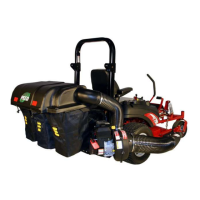
  • Thrown Objects: The area to be mowed should be cleared of objects like rocks, toys, and wire, which could be picked up and thrown by the blades. The unit should not be operated without the grass catcher or discharge guard (deflector) in place.
  • Fuel Handling: Gasoline is highly flammable and explosive. Refueling should be done outdoors, with the engine off and cool, away from ignition sources.
  • Safety Interlock System: The mower is equipped with safety interlocks that prevent the engine from cranking or operating under unsafe conditions (e.g., PTO engaged, parking brake disengaged, operator off seat). These systems must never be defeated or modified.

Controls and Operation:

  • Deck Lift Pedal, Cutting Height Adjustment Pin, and Deck Lift Lock Lever: These controls are used to adjust the mower deck's cutting height, ranging from 1-1/2" to 4-1/2" in 1/4" increments. The deck can also be locked into a transport position.
  • Ground Speed Control Levers: These levers control the speed and direction of the rider. The left lever controls the left rear drive wheel, and the right lever controls the right rear drive wheel. Moving a lever forward increases forward speed, while pulling it back increases reverse speed. Moving levers outwards locks them in the NEUTRAL position.
  • Seat Adjustment Lever: The seat can be adjusted forward and backward for operator comfort.
  • Transmission Release Levers: These levers deactivate the transaxle, allowing the unit to be pushed by hand. Both levers must be in the same position for driving or pushing.
  • Fuel Tank Cap and Fuel Level Gauge: Used for refueling and monitoring fuel levels.
  • Removable Floor Plate: Provides easy access to the mower deck for maintenance.
  • Instrument Control Panel: Includes the throttle control, choke, hour meter, ignition switch, and parking brake.
    • Throttle Control: Adjusts engine speed.
    • PTO (Power Take Off) Switch: Engages or disengages the mower blades.
    • Choke: Used for starting a cold engine.
    • Hour Meter: Displays the unit's operating time.
    • Ignition Switch: Starts and stops the engine.
    • Parking Brake: Engages to secure the mower.

Starting and Stopping:

  • Starting: The operator must be seated, the parking brake engaged, the PTO switch disengaged, and ground speed control levers locked in neutral. The engine throttle is set to FAST, and the choke is used if the engine is cold.
  • Stopping: To stop the rider, return ground speed control levers to neutral, disengage the PTO, engage the parking brake, move the throttle to mid-throttle, and turn the ignition key to OFF.

Driving Practice: The manual recommends practicing in a smooth, flat area to become familiar with the responsive lever controls and achieve smooth, efficient movements for forward, reverse, and turning maneuvers. The "Zero Turn" capability allows for turning in place by moving one ground speed control lever forward and the other back simultaneously.

Mowing Recommendations:

  • Throttle: Always operate at FULL throttle when mowing.
  • Cutting Height: Typically, grass should be mowed when 3-5 inches high, cutting no more than one-third of the grass height or 1 inch at a time.
  • Mowing Conditions: Mow with sharp blades when the grass is cool and dry.
  • Mowing Patterns: Cut in long, straight strips, overlapping slightly. Change patterns occasionally to prevent matting. For a professional cut, mow across the lawn in one direction, then re-cut perpendicularly.
  • Broadcast Mowing: Disperses fine clippings evenly over the lawn.
  • Mulching: Cuts clippings into tiny particles that decompose into the lawn. Requires excellent mowing conditions (dry grass, appropriate height) and full engine throttle with a slow ground speed.

Towed Equipment: The mower can tow equipment up to 200 lbs (91 kg). Towed equipment should only be attached at the hitch point, and extra caution is needed on slopes due to potential loss of traction and control.

Maintenance Features

Maintenance Schedule: The manual provides a schedule for routine maintenance based on operating hours.

  • Before Each Use: Check safety interlock system, brakes, loose hardware, visible debris, and hydraulic oil level.
  • Every 25 Hours: Clean deck, check/replace mower blades, lubricate rider and mower deck, and check tire pressures.
  • Every 100 Hours: Check mower blade stopping time, clean battery and cables, and see dealer for initial hydraulic oil change.
  • Every 400 Hours or Yearly: See dealer for hydraulic oil and filter change.

Engine Maintenance:

  • Before Each Use: Check engine oil level and clean visible debris from the engine compartment.
  • Every 50 Hours: Inspect/clean spark arrester.
  • Refer to Engine Owner's Manual: For air filter service, engine oil and filter changes, spark plug checks/replacements, and fuel filter checks/replacements.

Specific Maintenance Procedures:

  • Fueling: Clean the fuel cap area, fill the tank outdoors, and do not overfill.
  • Fuse Location: The electrical system has replaceable fuses for the main circuit (20 amp) and PTO clutch (15 amp).
  • Transmission Oil Level: Check both transmission oil tanks when the unit is cold, ensuring the oil is at the "FULL COLD" mark. Use 20W-50 conventional detergent motor oil.
  • Tire Pressures: Check periodically and maintain recommended levels for proper traction and extended tire life.
  • Seat and Ground Speed Control Lever Adjustments: Adjust levers for operator comfort and to ensure full range of motion without interference.
  • Speed Balancing (Tracking) Adjustment: Adjust the knob on the faster wheel to correct any drifting to the right or left when driving straight.
  • Suspension Adjustment: The shock assemblies can be adjusted to vary the pre-load on the springs, customizing the ride for operator weight and operating conditions (less pre-load for lighter operators/flat terrain, more pre-load for heavier operators/hilly terrain).

Storage:

  • Temporary Storage (30 Days or Less): Store in an area away from children and ignition sources. Remove spark plugs if unauthorized use is a concern. Chock wheels if on an incline. Clean grass and dirt from the mower.
  • Long Term Storage (Longer Than 30 Days): Drain and refill crankcase oil, prepare the mower deck (remove, clean, coat bare metal surfaces), clean external surfaces and engine, prepare the engine according to its manual, clean cylinder head cooling fins, cover air cleaner and exhaust outlet, grease and oil the unit, charge the battery (remove if storing in a cool, dry place), and drain the fuel system or add a gasoline stabilizer.

Starting After Long Term Storage: Remove blocks, install battery, unplug exhaust outlet and air cleaner, fill with fresh gasoline, follow engine manual instructions, check crankcase oil, inflate tires, check fluid levels, and start the engine slowly in a well-ventilated area.

Ferris 400S Series Specifications

General IconGeneral
Transmission TypeHydrostatic
Deck ConstructionFabricated
Caster Tires13 x 6.5 - 6
Cutting Height1.5 in
Deck MaterialSteel
Drive Tires20x10-8
Wheel Size13 x 6.5 - 6

Related product manuals