EasyManua.ls Logo

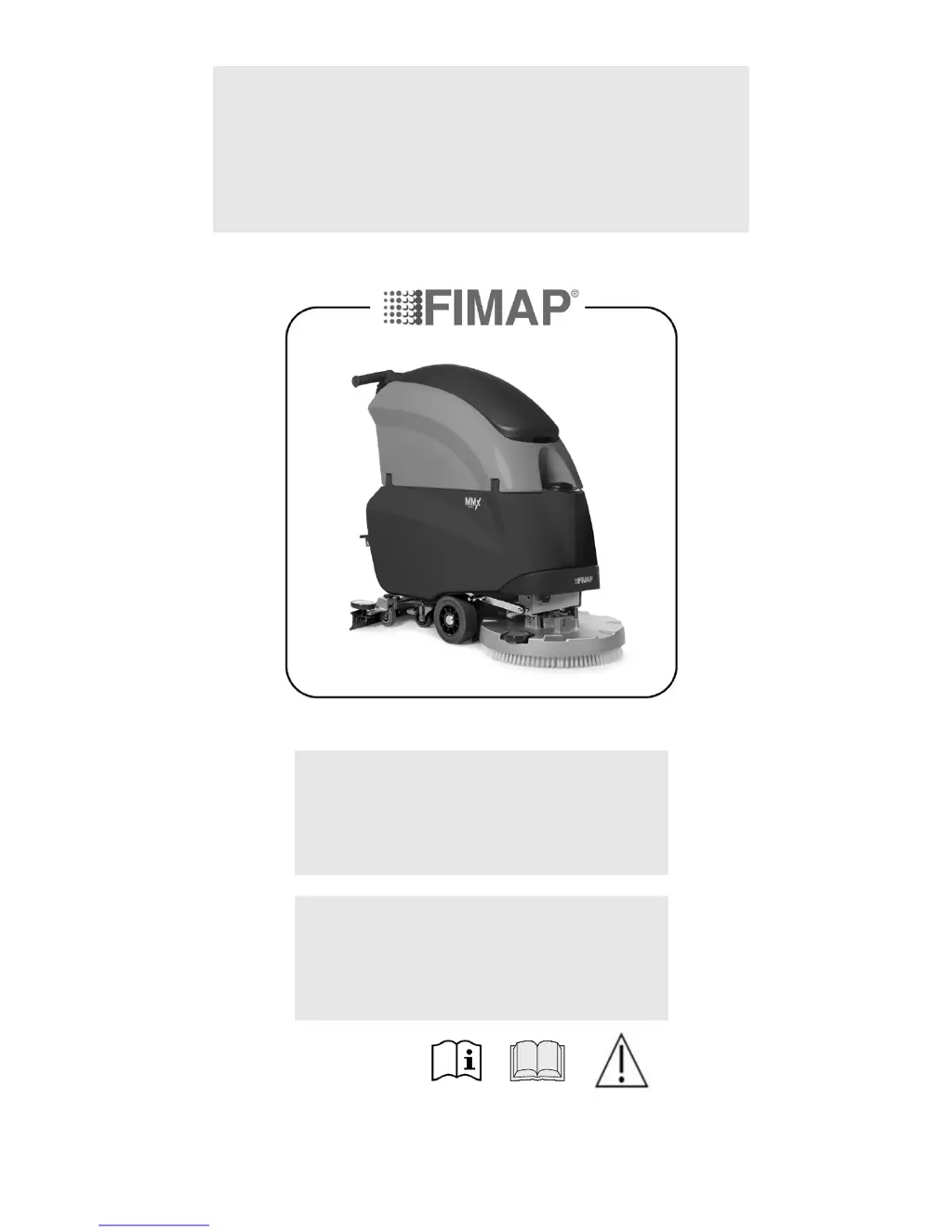
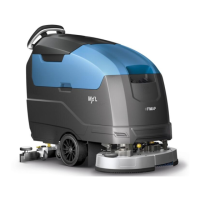
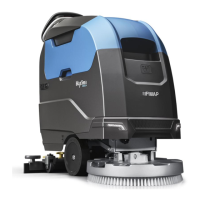
Fimap MMX 43B - User Manual

Fimap MMX 43B
44 pages
Print Icon
To Next Page IconTo Next Page
Loading...
USE AND MAINTENANCE MANUAL
MMX B-BT 2014
ED. 08-2014 EN
TRANSLATION OF
THE ORIGINAL
INSTRUCTIONS
Doc. 10016247
Ver. AE

Table of Contents

Questions and Answers

  • S
    sherri11Aug 14, 2025
    What to do if there is insufficient water on the brushes of my Fimap Scrubber?
    • A
      Alyssa ChapmanAug 14, 2025
      To address insufficient water on the brushes of your Fimap Scrubber, ensure the solution tank has water, which can be checked using the level indicator on the left rear of the device. Verify that the detergent solution tap is open by ensuring the lever on the rear of the appliance is fully rotated to the left (work direction). Also, confirm that the detergent solution tap on the brush head unit is in the active dosing system position, with the lever fully set to a vertical position. For FSS versions, ensure the water and detergent flow in the water system are not set to zero by turning the knobs to the right while the appliance is on. Finally, clean the solution tank filter on the rear of the appliance.
  • M
    Matthew BerryAug 18, 2025
    Why is the squeegee on my Fimap Scrubber not drying perfectly?
    • Y
      Yolanda JohnsonAug 18, 2025
      If your Fimap Scrubber's squeegee isn't drying perfectly, start by ensuring the squeegee is clean. Check and adjust the squeegee settings as needed. Clean the entire vacuum unit, including the vacuum hose and vacuum motor filter float. If the rubber blades are worn, replace them. Make sure the cap on the recovery tank drainage hose is properly closed and that the suction cover is correctly positioned.
  • C
    Crystal MurrayAug 21, 2025
    What to do if my Fimap Scrubber does not clean correctly?
    • J
      Julie DawsonAug 21, 2025
      If your Fimap Scrubber isn't cleaning correctly, first ensure the appliance switches on correctly. Next, verify that the detergent solution is being supplied to the brushes adequately. Make sure the amount of detergent solution (for versions without FSS) or the amount of water and detergent (for versions with FSS) in the appliance's water system is appropriate for the task. Also, confirm that the brushes fitted on the appliance are suitable for the task and check their wear; replace them if the bristles are about 15mm long.
  • C
    Christopher HarperAug 25, 2025
    How to fix a Fimap Scrubber that does not switch on?
    • K
      Kristen AcostaAug 25, 2025
      If your Fimap Scrubber is not switching on, check that the main switch is in the 'I' position; if not, turn the key a quarter turn to the right. Ensure no alarm message appears on the control display when starting the machine. Verify the battery is connected to the general system connector; if not, connect them. Finally, check the battery charge level on the control display and, if critical, perform a full charge cycle.
  • S
    Sara PearsonAug 27, 2025
    What to do if the vacuum motor does not function on my Fimap Scrubber?
    • C
      campbellanthonyAug 28, 2025
      To address a vacuum motor that isn't functioning on your Fimap Scrubber, check if the recovery tank is full and empty it if necessary. Also, verify the proper functioning of the float inside the recovery tank.
  • M
    Michael HarmonAug 31, 2025
    Why is my Fimap Scrubber producing excessive foam?
    • L
      Luis WolfeAug 31, 2025
      If your Fimap Scrubber is producing excessive foam in the recovery tank, check that a low-foam detergent is being used. If needed, add a small amount of antifoam liquid to the recovery tank. Remember that less dirty floors generate more foam, so the detergent solution should be more diluted in those cases.
  • H
    Harold ReidSep 3, 2025
    What to do if the batteries are not charged correctly on my Fimap Scrubber?
    • M
      morrisondawnSep 3, 2025
      If the batteries of your Fimap Scrubber are not charging correctly, first check that the battery is connected to the general system connector; connect them if they are not. Verify that the battery charger is suitable for the batteries and correctly set up for the type of batteries used. Finally, refer to the battery charger's manual to understand the meaning of any flashing signals during recharge.
  • M
    Mark WrightSep 6, 2025
    What to do if my Fimap Scrubber does not move?
    • M
      Matthew SmithSep 6, 2025
      If your Fimap Scrubber does not move, ensure the appliance is switched on correctly. Check that the dead man's microswitches are active by actioning the dead man's levers below the handlebar control. In traction versions, verify that the forward speed adjustment knob is not set to the minimum.
  • B
    Billy MurphySep 10, 2025
    Why does my Fimap Scrubber have a very low operating autonomy?
    • C
      Caitlin HurleySep 10, 2025
      If your Fimap Scrubber has very low operating autonomy, check that there is water in the solution tank, using the level indicator on the left rear of the device. Also, check the battery charge level on the control display and, if the charge level is critical, go through a full charge cycle.

Summary

Purpose and Content of the Manual

Target Group

Manual is for operators and qualified technicians responsible for equipment maintenance.

Storage of Use and Maintenance Manual

Manual must be stored near the appliance, protected from damage.

On Consignment of the Appliance

Check received materials and equipment condition upon delivery.

Introductory Comment

Proper use and maintenance ensure effective operation and longevity.

Identification Data

Provide model, version, and serial number for technical assistance.

Technical Description

MMx is a scrubbing machine for cleaning floors using brushes and detergent.

Intended Use

For cleaning smooth, compact flooring by qualified operators; not for rugs, rain, or explosive areas.

Serial Number Plate

Safety Precautions

Operator cooperation is key to accident prevention.

General Safety Regulations

Safety Precautions and Usage Guidelines

Follow warnings and attention points for safe operation, storage, and maintenance.

Symbols Used on the Appliance

Appliance Symbol Descriptions

Explains various symbols on the appliance for operation and safety.

Preparation of the Appliance

Handling the Packed Appliance

Instructions for safely handling and moving the packaged machine.

How to Unpack the Machine

Steps for safely removing the appliance from its packaging.

How to Transport the Appliance

Procedures for safely moving the appliance, including securing it.

Preparation of the Appliance

Component Positioning

Identifies and locates various control panel and machine components.

Appliance Safety Checks

Essential safety checks before operating the appliance.

Preparation of the Appliance

Type of Battery

Specifies compatible battery types and those that cannot be used.

Battery Hopper Maintenance and Disposal

Guidelines for maintaining and disposing of battery hoppers.

Inserting Batteries into the Device

Step-by-step instructions for safely installing batteries.

Preparation of the Appliance

Battery Charger Connection (No CB)

How to connect the battery charger for systems without an integrated charger.

Preparation of the Appliance

Battery Charger Connection (With CB)

How to connect the battery charger for systems with an integrated charger.

Preparation of the Appliance

Hour Meter

Explains the function and display of the appliance's hour meter.

Battery Charge Level Indicator

How to read and interpret the battery charge level display.

Forward Movement at Work Speed (BT System)

Instructions for controlling forward movement speed on BT versions.

Preparation of the Appliance

Filling the Solution Tank

Steps for filling the machine's solution tank with water.

Detergent Solution (No FSS)

How to add detergent for versions without the FSS system.

Filling the Detergent Canister (FSS)

How to fill the detergent canister for versions with the FSS system.

Preparation of the Appliance

Assembling the Squeegee

Instructions for assembling the squeegee unit.

Preparation of the Appliance

Brush Assembly (Single-Disc Versions)

Steps to assemble the brush for single-disc machines.

Brush Assembly (Twin-Disc Versions)

Steps to assemble the brushes for twin-disc machines.

Preparation of the Appliance

Assembling the Splash Guard

Instructions for assembling the brush head splash guard.

Preparing to Work

General Preparation Steps

Pre-work checks and preparations for the appliance.

Triggering the Dosing System (FSS)

Initial steps to activate the detergent dosing system for FSS versions.

Preparing to Work

Triggering the Dosing System (FSS) - Further Steps

Completing the activation of the detergent dosing system.

Work

Starting Work

Steps to begin operating the appliance after preparation.

Detergent Adjustment (No FSS)

How to regulate detergent flow for versions without FSS.

Detergent Adjustment (FSS)

How to adjust water and detergent flow for FSS versions.

Work

ECO Mode Device Operation

How to activate and use the ECO mode for energy saving.

Overflow Device Functionality

Explanation of the overflow device and actions when the recovery tank is full.

At the End of the Work

Post-Work Procedures

Steps to perform after completing work, including maintenance and storage.

Daily Maintenance

Emptying the Recovery Tank

Procedure for draining the dirty water from the recovery tank.

Emptying of the Solution Tank

Procedure for draining the clean water solution from the tank.

Cleaning the Squeegee Body

How to clean the squeegee unit for better drying and vacuum life.

Daily Maintenance

Cleaning the Brush

Instructions for cleaning the brush to ensure effective cleaning and motor life.

Daily Maintenance

Cleaning the Vacuum Motor Filter Float

How to clean the filter float for better floor cleaning and vacuum motor life.

Cleaning the Solution Tank Filter

How to clean the solution tank filter for water circuit system life.

Weekly Maintenance

Cleaning the Recovery Tank

Procedure for cleaning the recovery tank to ensure longer appliance life.

Cleaning the Solution Tank

Procedure for cleaning the solution tank for longer appliance life.

Weekly Maintenance

Cleaning the Vacuum Hose

How to clean the vacuum hose for better floor cleaning and vacuum motor life.

Cleaning the Detergent Canister (FSS)

How to clean the detergent canister for improved performance and system life.

Extraordinary Maintenance

Replacing the Squeegee Rubbers

Steps for replacing worn squeegee rubbers to ensure proper drying.

Extraordinary Maintenance

Adjusting the Squeegee

How to adjust squeegee height for optimal drying and cleaning.

Replacing the Brush

Procedure for replacing worn brushes to maintain cleaning performance.

Extraordinary Maintenance

Replacing the Brush Head Splash Guard

How to replace the splash guard for better performance and motor life.

Rinsing the Dosing System (FSS)

Procedure for rinsing the dosing system after long periods of inactivity.

Extraordinary Maintenance

Rinsing the Dosing System (FSS) - Continued

Completing the rinsing procedure for the FSS dosing system.

Troubleshooting

Alarm Message on Control Display

What to do when a warning message appears on the control display.

Appliance Does Not Switch On

Troubleshooting steps if the appliance fails to power on.

Batteries Not Charged Correctly

Checks for incorrect battery charging issues.

Low Operating Autonomy

Diagnosing and resolving issues with short battery life.

Troubleshooting

Appliance Does Not Move

Steps to troubleshoot if the appliance fails to move.

Insufficient Water on Brushes

Diagnosing and fixing issues with low water supply to the brushes.

Device Does Not Clean Correctly

Troubleshooting steps for poor cleaning performance.

Squeegee Does Not Dry Perfectly

How to fix issues where the squeegee leaves the floor wet.

Troubleshooting

Excessive Foam Production

How to address excessive foam in the recovery tank.

Vacuum Motor Does Not Function

Troubleshooting steps if the vacuum motor is not working.

Bypassing Water System Pump (FSS)

How to bypass the supply pump for FSS versions if it fails.

Disposal

Appliance Disposal Procedures

Instructions for properly disposing of the appliance and its materials.

Choosing and Using Brushes

Polypropylene Brush (PPL)

Use and characteristics of polypropylene brushes.

Nylon Brush

Use and characteristics of nylon brushes.

Abrasive Brush

Use and characteristics of abrasive brushes for heavy dirt.

Steel Brush

Use and characteristics of steel brushes for tough descaling.

Thickness of Bristles

How bristle thickness affects cleaning on different floor types.

Pad Holder

Information on pad holders and their types for shiny surfaces.

EC Declarations of Conformity

Product Compliance Directives and Standards

Lists directives and standards the scrubbing machine complies with.

EC Declarations of Conformity

Product Compliance Directives and Standards

Lists directives and standards the scrubbing machine complies with (continued).

EC Declarations of Conformity

Product Compliance Directives and Standards

Lists directives and standards the scrubbing machine complies with (continued).

Fimap MMX 43B Specifications

General IconGeneral
ModelMMX 43B
CategoryScrubber
Working Width430 mm
Recovery Tank Capacity50 L
Power SupplyBattery
Battery Voltage24 V
Solution Tank Capacity40 L
TractionSemi-automatic
Noise Level68 dB

Related product manuals