Performance Verification
3.7 Voltage Inputs 3
3-13
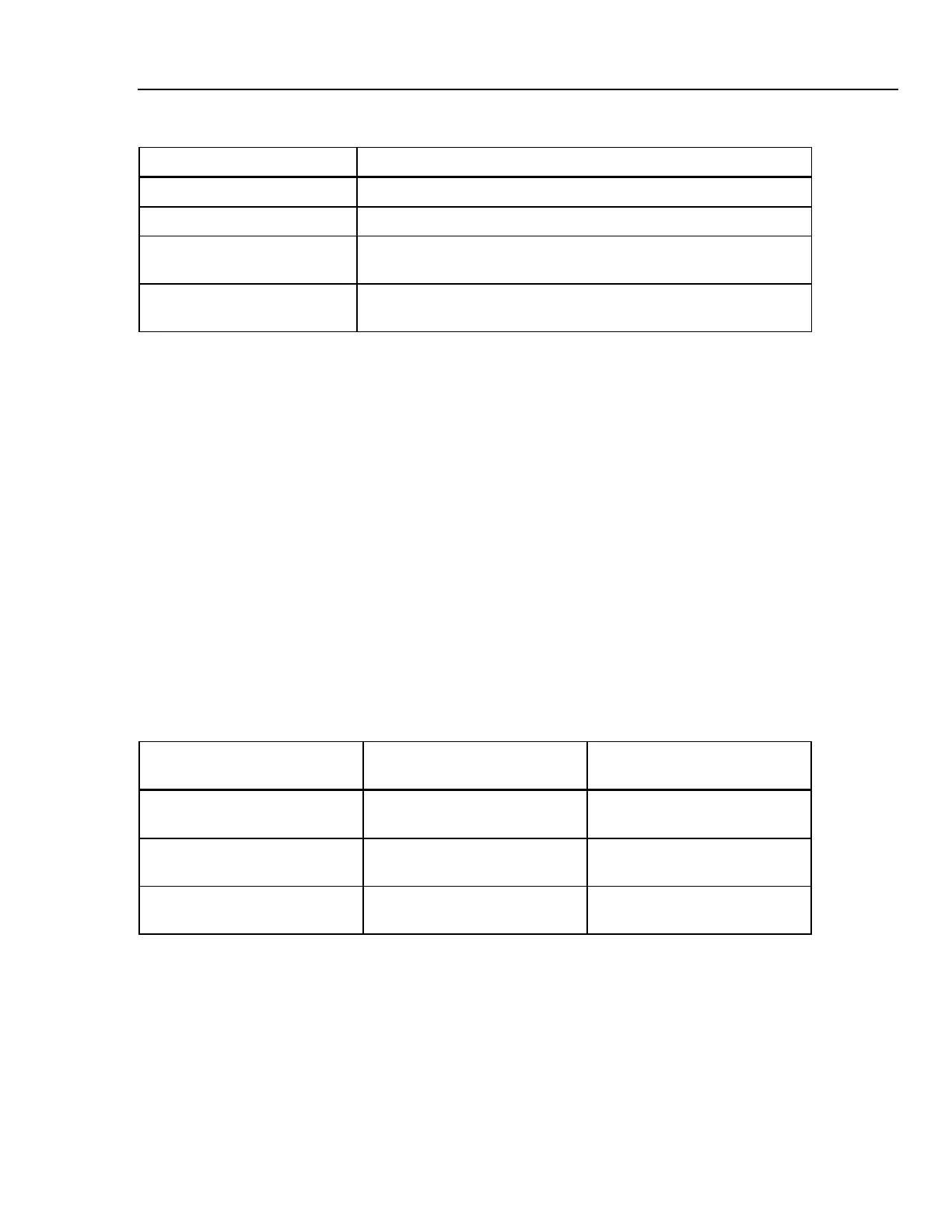
Table 3-8. Accuracy Check of Voltage Channels A/L1, B/L2, C/L3
Set Calibrator to Readout at Voltage Channels
0 Hz, 0 V, OPR Fluke 433/434: 0.0 ... 2.0 V, Fluke 435: 0.00 ... 0.40 V
200 V, 50 Hz, OPR Fluke 433/434: 198.0 ... 202.0 V, Fluke 435: 199.60 ... 200.40 V
400 V, 50 Hz, OPR Fluke 433/434: 398.0 ... 402.0 V, 49.99 ... 50.01 Hz
Fluke 435: 399.60 ... 400.40 V, 49.990 ... 50.010 Hz
800 V, 50 Hz, OPR Fluke 433/434: 798.0 ... 802.0 V, 49.99 ... 50.01 Hz
Fluke 435: 799.60 ... 800.40 V, 49.990 ... 50.010 Hz
6. Set the Calibrator to STBY.
Optional Test. Bandwidth Check of Channel A/L1, B/L2, C/L3 (*):
Note: for Fluke 435 you must use the Fluke 5700A Calibrator. This instrument is able to
generate 219.99999 V as a maximum at 3 kHz. Therefor a 50 Hz reference voltage of 215
V must be adjusted.
7. Set the Calibrator to 400 V (5700A: 215 V), 50 Hz and OPR.
8. Now check the voltage channels one by one. Use the Calibrator’s field edit function
(5500A: FIELD EDIT key, 5700A: AMPL/FREQ key) to adjust the Calibrator to an
Analyzer readout of 400.0 V / 215.00 V.
9. Increase the frequency to 3 kHz.
Fluke 433/434: check for a readout of 379.8 V or more.
Fluke 435: check for a readout of 204.25 V or more.
Check the channels according to the table below.
Table 3-9. Bandwidth Check of Voltage Channels A/L1, B/L2, C/L3
Voltage Channel to be verified Readout at 50 Hz (adjust
Calibrator with EDIT FIELD)
Readout at 3 kHz
A/L1 Fluke 433/434: 400.0 V
Fluke 435: 215.00 V
Fluke 433/434: 379.8 V or more
Fluke 435: 204.25 V or more
B/L2 Fluke 433/434: 400.0 V
Fluke 435: 215.00 V
Fluke 433/434: 379.8 V or more
Fluke 435: 204.25 V or more
C/L3 Fluke 433/434: 400.0 V
Fluke 435: 215.00 V
Fluke 433/434: 379.8 V or more
Fluke 435: 204.25 V or more
10. Set the Calibrator to STBY.
Accuracy Check of Channel N (Neutral):
11. Connect the N input with the C/L3 input (See Figure 3-4). A/L1, B/L2, C/L3 now
give zero reading.
12. Set the Calibrator to 0 Hz / 0 V and then to OPR.



 To Next Page