14 Rev 001, 01/12
© SP Scientific 2012
Compressor Safeties
Refrigerant Types and Properties
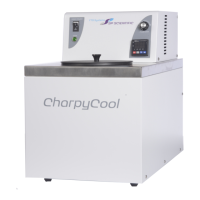
The CharpyCool™ features a cascade refrigeration system comprised of two separate
compressors with two separate refrigerants. The first stage, also called a high stage,
uses 1.27 ounces of R1270 (Propylene). The second stage, also called the low stage,
uses 0.97 ounces of R170 (Ethane).
Properties R1270 or Propylene R170 or Ethane
National Fire Protection
Association (NFPA)
Rating
Health 1
Flammability 4
Instability 0
Special 0
Toxicity
This product is a gas at normal temperature and
pressure, and in ultra-low quantities, this makes
inhalation or ingestion very unlikely. No harm is
expected from contact of gas to the skin and eyes,
however, liquid may cause frostbite.
Personal Safety Information
If handling cylinders, wear gloves and OSHA approved
eye and foot protection.
Refrigeration System
The CharpyCool™ refrigeration system compressors are equipped with two safety
devices for protection against low voltage or high temperatures. If the voltage drops
below what is required for the compressor to operate, an overcurrent device turns the
compressor off. If the compressor temperature rises too high due to insufficient air-
cooling, a high-temperature thermostat deactivates the compressor.
Note: High temperature of the compressor can be caused by blocked airflow or by a
malfunction of the fan motor.
The compressor will automatically start when the condition is corrected, but will again
turn the compressor(s) off if the voltage is too low or the temperature is too high.
IF ANY REFRIGERATION SYSTEM PROBLEMS OCCUR MORE THAN ONCE, THE UNIT
SHOULD BE SHUT OFF UNTIL THE CAUSE OF THE PROBLEM CAN BE DETERMINED AND
CORRECTED. ALLOWING THE UNIT TO CONTINUE TO RUN DESPITE ENCOUTERING A
PERFORMANCE PROBLEM MAY LEAD TO FAILURE OF THE UNIT.


 To Next Page