EasyManua.ls Logo

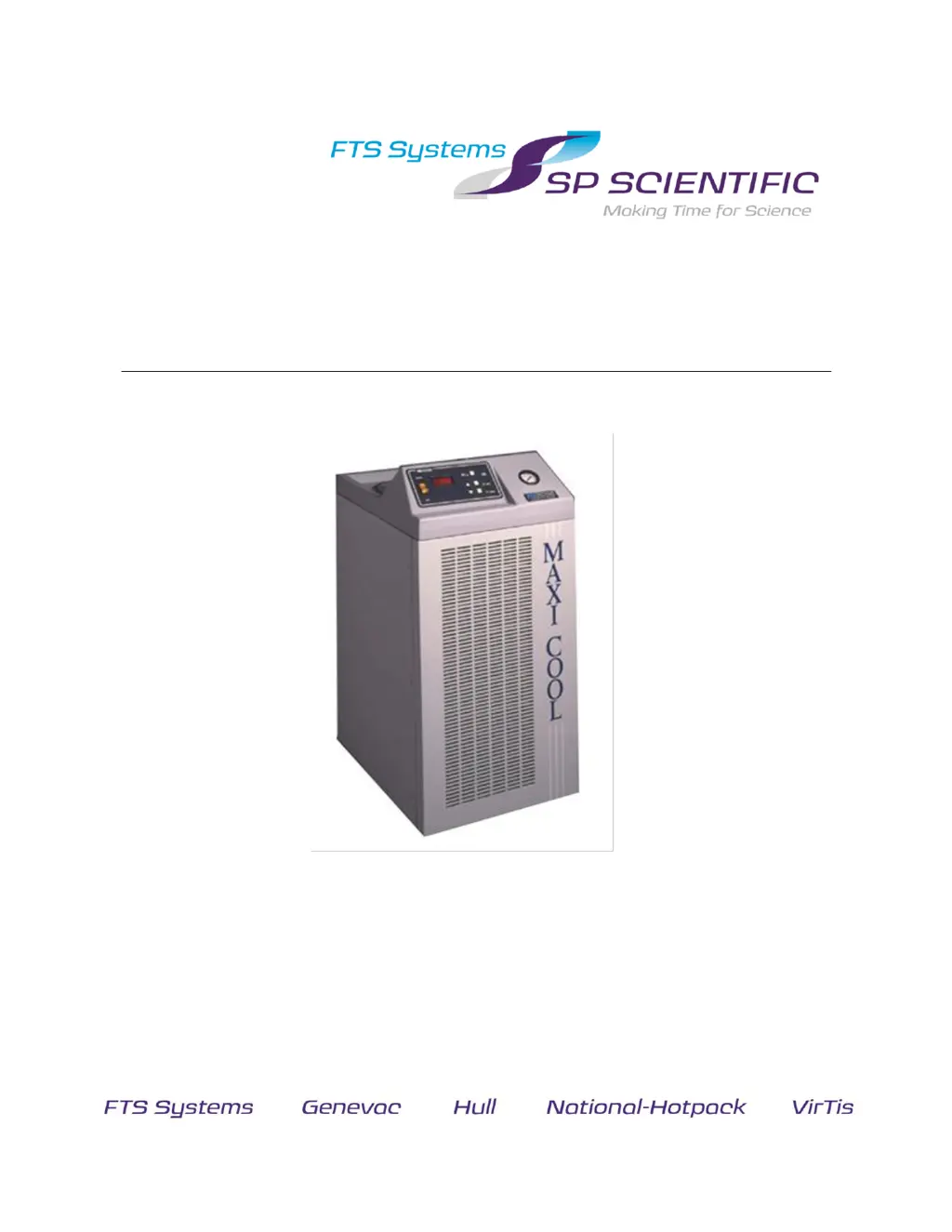
FTS MAXI-COOL - User Manual

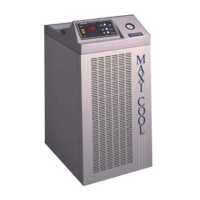
FTS MAXI-COOL
66 pages
Print Icon
To Next Page IconTo Next Page
Loading...
RECIRCULATING CHILLER OPERATORS MANUAL
M
AXI
-C
OOL
with EDC Control

Questions and Answers

  • N
    nowensAug 2, 2025
    Why is my FTS Chiller unit not cooling properly?
    • C
      Christopher WestAug 2, 2025
      If your FTS Chiller unit isn't cooling properly, first check if the temperature setting is above the fluid temperature and adjust it accordingly. If the fluid's viscosity is too high for the intended temperature range, consider changing the fluid. Ensure the ambient temperature isn't too high, ideally around 72°F/22°C. Finally, verify that the plumbing is correctly connected, with the "LIQUID OUT" port connected to the inlet of the system being cooled and the "LIQUID IN" port to the outlet.
  • A
    Ann CallahanAug 6, 2025
    What to do if the pump will not start on my FTS Chiller?
    • R
      Raymond SmithAug 6, 2025
      If the pump on your FTS Chiller won't start, there are several things to check. First, ensure that the power is properly connected by having an electrician check the power connections. Also, verify that the breaker at the wall is in the "on" position. Make sure the pump is primed. Check if the impeller is jammed, which can happen if the fluid freezes. If the pump motor has overheated (it has thermal overload protection and will restart when cooled), ensure the fluid viscosity remains less than 20 centistokes. As a last resort, if none of these solutions work, the pump motor may have burned out, and you should contact the factory for a new motor.
  • J
    Jonathan DavisAug 10, 2025
    How to troubleshoot an FTS Chiller unit that will not start?
    • F
      Frank MorseAug 10, 2025
      If your FTS Chiller unit will not start, begin by ensuring the power is properly connected by having an electrician check the power connections. Next, verify that the breaker at the wall is in the "on" position. Finally, have a qualified person check and replace the fuse if it has blown.
  • R
    Renee FryAug 15, 2025
    Why refrigeration will not start on my FTS Chiller?
    • R
      Renee ShieldsAug 15, 2025
      If the refrigeration on your FTS Chiller isn't starting, make sure the “0/1" switch is pressed; the fluid pump should start first, followed by the refrigeration a few seconds later. Also, ensure the compressor is receiving adequate voltage; if it's not within +/- 5% of the system's rated voltage, contact an electrician to correct it.
  • M
    Marcus BerryAug 19, 2025
    What causes inadequate fluid flow in an FTS Chiller?
    • C
      courtneyleAug 19, 2025
      If the fluid flow in your FTS Chiller is inadequate, start by checking if the fluid's viscosity is too high for the intended temperature range and change it to a fluid with lower viscosity if needed. If using a high-pressure pump (like HPP2), inspect the pump screen for blockages by removing the insulation and the large nut on the pump housing. Ensure the ball valve is open and inspect plumbing lines for restrictions or breaks, repairing as necessary. Lastly, remove the pump and check the impeller for damage, contacting the factory for a replacement if needed, and determine/correct the cause of the damage.
  • T
    Tracy FlemingAug 23, 2025
    Why is the refrigeration cutting out on my FTS Chiller?
    • C
      Cheryl EvansAug 25, 2025
      If the refrigeration on your FTS Chiller is cutting out, it could be due to a few reasons. The ambient temperature might be too warm; the unit is designed for operation in an environment of 72°F/22°C, and temperatures over 80°F/27°C may cause the compressor to overheat. Check the fan for rotation, AC supply, blockage, or excessive dirt/dust. Also, the condenser might be blocked, so ensure the finned surface is at least 6" away from the wall and free from dust.
  • D
    diazcarlAug 28, 2025
    Why is the pump making loud noise on my FTS Chiller?
    • H
      Heather JamesAug 28, 2025
      If the pump on your FTS Chiller is making loud noises, it could be due to a blocked filter screen (on high-pressure pumps only). A qualified technician can remove the filter screen by cutting back the insulation and removing the large nut on the pump housing. Also, check for fluid freezing or icing; ensure there is no ice in the fluid and that straight water is not used below 5°C. For lower temperature operation, mix with glycol.

Summary

Introduction

Overview

Introduces the Maxi-Cool recirculating chiller system and its features.

Key Features

Lists the main capabilities and design aspects of the Maxi-Cool chiller.

Installation and Startup

Initial Inspection

Guide to checking the unit for damage upon delivery and unpacking.

Setup

Covers physical location, ambient air, water, and electrical requirements for installation.

Add Fluid

Step-by-step instructions for filling the chiller reservoir with the process fluid.

Operation

System Preparation

Steps to prepare the unit for operation, including powering on.

Start Up

How to power on the chiller and set the initial operating temperature.

Shut Down

Procedure for safely turning off the chiller and disconnecting power.

User Menu

Overview

Introduces the EDC digital control package and its parameters.

PID Tuning

Guide to adjusting PID settings for optimal temperature control performance.

Maintenance

Lockout;Tagout Procedure

Safety procedure for preventing accidental startup during maintenance.

Fuse Replacement

Instructions on how to replace blown fuses with correct types and ratings.

Draining Fluid

Steps for safely draining the chiller's fluid for maintenance or replacement.

EDC Programmers Reference

Overview

Introduction to the MPC and EDC controllers and communication interface.

Command Set

Lists and describes all available commands for controlling and querying the system.

Appendix A: Troubleshooting

Unit will not start

Identifies causes and solutions for the unit failing to start.

Unit not cooling properly

Diagnosing and resolving cooling performance issues.

Appendix B: System Safeties and Alarms

Low Fluid Level

Details the alarm and response for low fluid levels in the reservoir.

High Fluid Temperature

Explains the alarm and system response to high process fluid temperatures.

FTS MAXI-COOL Specifications

General IconGeneral
BrandFTS
ModelMAXI-COOL
CategoryChiller
LanguageEnglish

Related product manuals