EasyManua.ls Logo

Fujitsu ART30LU - User Manual

Fujitsu ART30LU
13 pages
Print Icon
To Next Page IconTo Next Page
Loading...
P/N9373869016
OPERATING MANUAL
AIR CONDITIONER
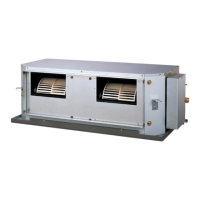
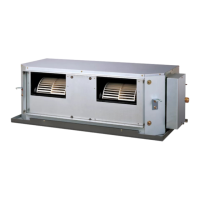
Indoor Unit
ART30LU
ART36LU
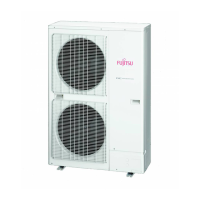
Outdoor Unit
AOT30LMBDL
AOT36LMADL
DUCT TYPE
SU
MO
TU
WE
TH FR
SA
AM
PM
369
12 15 18 21
KEEP THIS MANUAL
FOR FUTURE REFERENCE
FUJITSU GENERAL LIMITED

Questions and Answers

  • Z
    zachary83Aug 13, 2025
    Why is my Fujitsu ART30LU Air Conditioner not cooling well?
    • L
      Laura RobertsonAug 13, 2025
      Several factors can impact cooling performance. Ensure the air filter is clean and that neither the intake grille nor the outlet port is blocked. Verify that the thermostat is set correctly. Check for open windows or doors, and if it's during cooling operation, close curtains to block direct sunlight. Also, consider if there are heat-generating appliances or too many people in the room.
  • E
    emily71Aug 17, 2025
    Why is water produced from the outdoor unit of my Fujitsu ART30LU?
    • S
      Sarah HahnAug 17, 2025
      During heating operation, water may be produced from the outdoor unit because of the Automatic Defrosting operation.
  • M
    Melanie WrightAug 20, 2025
    What to do if my Fujitsu ART30LU Air Conditioner doesn’t operate at all?
    • A
      Alexander OlsonAug 20, 2025
      Check if there has been a power failure, if a fuse has blown, or if a circuit breaker has tripped. Also, verify if the timer is operating.
  • D
    Devin KennedyAug 25, 2025
    Why does my Fujitsu ART30LU Air Conditioner smell?
    • M
      Michael PerezAug 25, 2025
      The smell emitted from your Fujitsu Air Conditioner could be due to room odors, like those from furniture or tobacco, that have been absorbed into the unit.
  • A
    Alexander SnyderAug 28, 2025
    Why does my Fujitsu Air Conditioner stop airflow?
    • R
      Ronald LiuAug 28, 2025
      There are several reasons why the airflow might stop: * When heating starts, the fan pauses to warm internal parts. * During heating, if the room gets warmer than the thermostat setting, both indoor and outdoor units will stop. Adjust the thermostat higher if you want more heat. * The unit will temporarily stop (for 2-16 minutes) during heating for Automatic Defrosting. * The fan may stop to monitor the room's temperature.
  • R
    Robert WashingtonSep 1, 2025
    Why is my Fujitsu ART30LU making noise?
    • J
      Judy GloverSep 1, 2025
      You may hear the sound of water flowing in the air conditioner’s piping during and immediately after operation. Also, a coolant flowing sound may be noticeable for about 2 to 3 minutes after starting. During heating, a sizzling sound might occur occasionally due to the Automatic Defrosting operation.
  • A
    adamslarrySep 4, 2025
    Why is my Fujitsu Air Conditioner emitting mist or steam?
    • N
      Nancy TuckerSep 4, 2025
      During cooling, a thin mist may appear from the indoor unit due to the sudden cooling of room air, causing condensation. During heating, the outdoor unit's fan may stop, and steam might rise from it because of the Automatic Defrosting operation.
  • R
    randyjonesSep 8, 2025
    Why is my Fujitsu ART30LU Air Conditioner not operating immediately?
    • N
      Nicholas JordanSep 8, 2025
      If the unit is stopped and then immediately restarted, the compressor will not operate for about 3 minutes to prevent fuse issues. Similarly, if the electrical breaker is turned off and then on again, the protection circuit will operate for about 3 minutes, preventing immediate operation.

Summary

Safety Precautions

DANGER Definition

Procedures that, if improperly performed, are most likely to result in death or serious injury.

WARNING Definition

Procedures that, if improperly performed, might lead to death or serious injury.

CAUTION Definition

Procedures that, if improperly performed, might result in personal harm or property damage.

Name of Parts

Indoor Unit Components

Identifies outlet and drain ports of the indoor unit as shown in Fig. 1.

Outdoor Unit Components

Identifies intake and outlet ports of the outdoor unit as shown in Fig. 2.

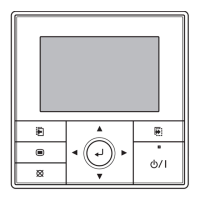
Remote Controller Buttons

Lists and describes the function of each button on the remote controller.

Remote Controller Display

Lists and describes the various indicators and displays on the remote controller.

Preparatory Operation

Set Current Day and Time

Step-by-step guide to setting the remote controller's clock and day.

Operation

Start and Stop Operation

Instructions on how to turn the air conditioner on and off using the remote.

Operation Modes and Settings

Guides for selecting modes, room temperature, and fan speed.

Energy Save Mode

How to activate the energy-saving mode to optimize temperature settings.

Room Temperature Sensor

Option to detect temperature from indoor unit or remote controller.

Child Lock Function

Activates/deactivates remote control lockout to prevent accidental changes.

Timer Functions

OFF Timer

Sets the unit to automatically stop operation after a specified time.

ON Timer

Sets the unit to automatically start operation after a specified time.

Weekly Timer

Allows setting operating times for each day of the week.

Temperature Set Back Timer

Changes set temperature during scheduled operation times.

ON;OFF Timer

Setting ON;OFF Timer

Procedure for setting the ON or OFF timer for the air conditioner.

Cancelling ON;OFF Timer

How to cancel an active ON/OFF timer setting.

Weekly Timer

Weekly Timer Setup

Steps to configure the weekly timer schedule.

Day of Week Selection

How to select specific days or all days for the weekly timer.

Time Setting

Procedure for setting ON and OFF times for selected days.

Delete Operating Time

How to remove set operating times from the weekly schedule.

Weekly Timer (Continued)

Timer Operation

How the weekly timer starts and displays its status.

Set DAY OFF (Holiday)

How to designate a specific day as a holiday to skip timer settings.

Temperature Set Back Timer

Timer Setting Procedure

Guides to setting the timer for temperature adjustments.

Timer Operation and Cancellation

How to start and cancel the temperature set back timer.

Operating Tips

Auto Changeover Operation

How the unit automatically selects cooling or heating based on room temp.

Fan Speed AUTO Behavior

Explains fan behavior in AUTO mode for heating and cooling.

Auto Restart Feature

How the unit resumes operation after a power interruption.

Heating Performance Details

Information on heat-pump efficiency and heating time.

Energy Save Mode Explanation

Explains how Energy Save mode adjusts temperature settings.

Hot Start Function

Prevents cold drafts by delaying fan until heat exchanger is warm.

Defrosting Cycle Explanation

Automatic defrost cycle during heating, indicated on the remote.

Group and Dual Remote Control

Controlling multiple units or using an optional second remote.

Care and Maintenance

Air Filter Cleaning

Importance of cleaning filters for performance and how to do it.

Unit Body Cleaning

Guidelines for cleaning the unit's exterior safely.

Self-Diagnosis

Error Code EE Indication

What to do when the 'E:EE' error code appears.

Performing Self-Diagnosis

Steps to initiate and stop the unit's self-diagnosis mode.

Troubleshooting

Common Operation Problems

Addresses issues like no immediate operation, noise, smells, mist/steam.

Air Flow and Defrosting Issues

Covers air flow stoppage and automatic defrost cycle problems.

Water Production and Sensor Faults

Problems like water from the outdoor unit or flashing sensor display.

Troubleshooting (Continued)

Additional Troubleshooting Checks

Further checks for non-operation or poor cooling/heating performance.

Temperature and Humidity Range

Cooling Operational Range

Permissible outdoor and indoor temperatures/humidity for cooling.

Heating Operational Range

Permissible outdoor and indoor temperatures for heating.

Fujitsu ART30LU Specifications

General IconGeneral
TypeSplit System
RefrigerantR410A
Cooling Capacity (BTU)30000
HSPF9
Cooling Capacity30, 000 BTU
Power Supply208-230V, 1 Phase, 60Hz
Energy Efficiency Ratio (EER)12
Coefficient of Performance (COP)3.5

Related product manuals